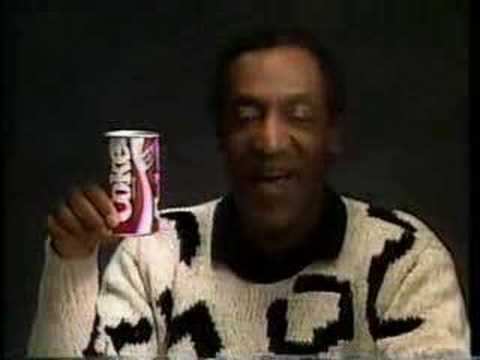
Back in 1985, the Coca-Cola Company introduced New Coke as the replacement of the original formula. The reason was because Pepsi, the biggest competitor, had started selling a similar, sweeter, and more popular product. The market share of the original Coca-Cola shrunk from 52% after World War II to 24% in 1983. As Baby-Boomers aged, they will more likely prefer more healthy drinks, and younger drinkers prefer sweeter drinks, like Pepsi. Consequently, New Coke was born. It was “smoother, uh, uh, yet, uh, rounder yet, uh, bolder … it has a more harmonious flavour,” according to one of the flavour chemists. The consumer’s reaction was poor, and some even tried to have the original Coca-Cola imported from other countries where the New Coke was not yet introduced. The New Coke is recognized as the biggest marketing mistake ever made by the Coca-Cola Company. However, these mistakes in similar situations are often difficult to deal with. In Coca-Cola’s position, they sold a similar but not as popular product as Pepsi, and they felt that changing the marketing strategy is mandatory, and changing the formula would be the best way. This is another example of how poor estimation of consumer popularity can cost a company everything.