Categories
Campaign

Barbie Girl

Marketing isn’t just the selling of products and services; ideas, philosophies, thoughts, opinions and concepts also manage to fall under its expansive radar.

Like most girls, Barbie was a favourite toy of mine while I was growing up. An aspect of the Barbie doll I found likeable was how seamlessly she bounced from career to career: from a veterinarian to astronaut, chef to presidential candidate. She made it all look so easy! Now that I am older, I have realised the significance of Barbie’s impressive résumé–and it seems like Mattel has, too.

In early 2010, they launched their “I Can Be…” campaign, allowing girls across the globe to vote for the next career Barbie should tackle (news anchor and computer engineer came out on top). Mattel recently expanded this inspirational campaign with a new commercial, tapping into the huge segment of women who can fondly remember the days of playing with Barbie, and thus easily identify with its message. Barbie is a prime example of a company making good use of its brand equity to promote a worthy social cause, which in this case is female empowerment. While it is primarily a reminder to girls of their true potential–that they “can be anything”–it also wouldn’t hurt to sell a couple more Barbies.


YouTube Preview Image
Categories
Advertising

Play Nice, Boys

I have been paying a lot more attention towards male grooming product brands ever since I started working on my group project, what with Axe as our focus company. Which is why I noticed this picture I stumbled across yesterday…

Ouch! Although Old Spice may have eclipsed all other brands in the category for now with the success of Old Spice Guy, Canadian marketers for Axe have come up with a cheeky proclamation that is sure to get people talking.

Categories
Music

Arcade Fire and Ice

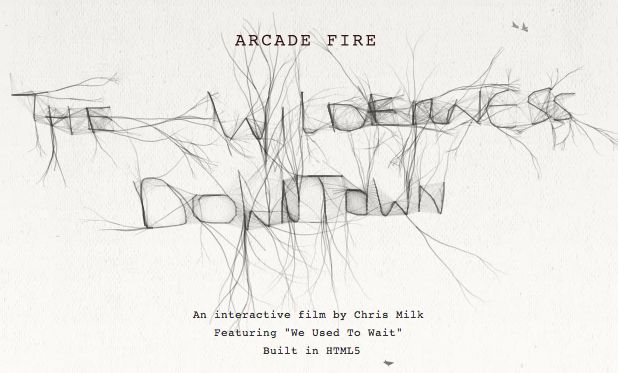
Chances are the typical person doesn’t realise that music videos are viable forms of marketing. Music videos have existed as early as the 1950s, but only rose to prominence during the ’80s to become an integral part of music marketing. The ’60s to ’90s saw the rapid development of music videos, but in our current generation the industry has remained relatively stagnant for the most part. Along with a host of other media, the move onto the internet was the natural thing to do–that is to say, nothing groundbreaking. Now imagine everyone’s surprise when the business of music videos was turned on its head by a little band called the Arcade Fire.

The band has stepped back and looked at the big picture, which has dictated that the internet is it. The masses eschewed traditional forms of media in favour of a more accessible form of technology. This turn of events singlehandedly sent various industries into chaos–and who could blame them? The internet is a free enterprise, a bounty of information as far as the eye can see. It’s no surprise that society decided to migrate into such enticing territory. Arcade Fire has realised this, but they’re not scrambling to pick up the pieces. Their stance is considerably more zen, and their response is a stroke of genius that taps into the age-old adage, “If you can’t beat ’em, join ’em.” The progressive fruits of their labour? An immersive experience in the form of an interactive short film directed by renowned music video director Chris Milk. The first of its kind, “The Wilderness Downtown” is an unorthodox yet symphonious marriage between a musical art form and the digital era.

Categories
Campaign

Simplicity Speaks Volumes

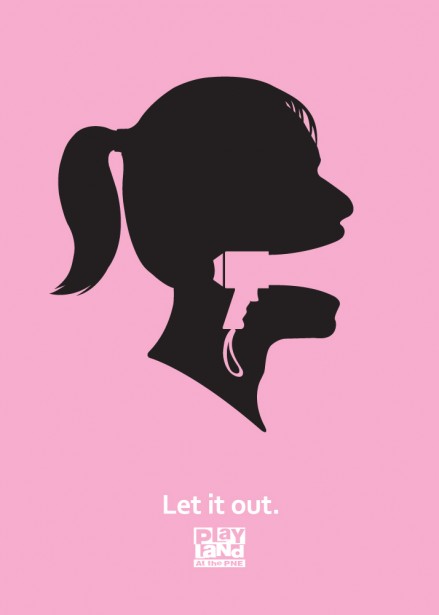
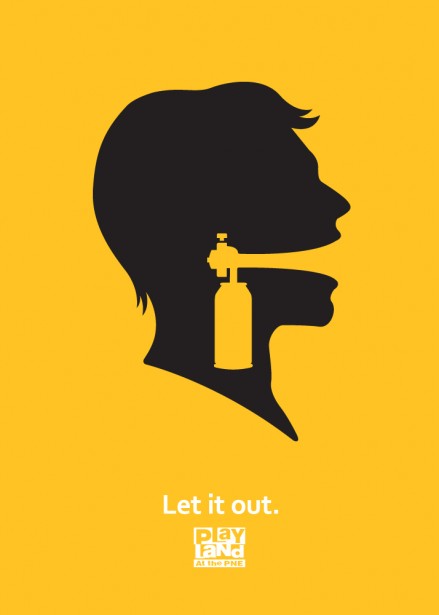
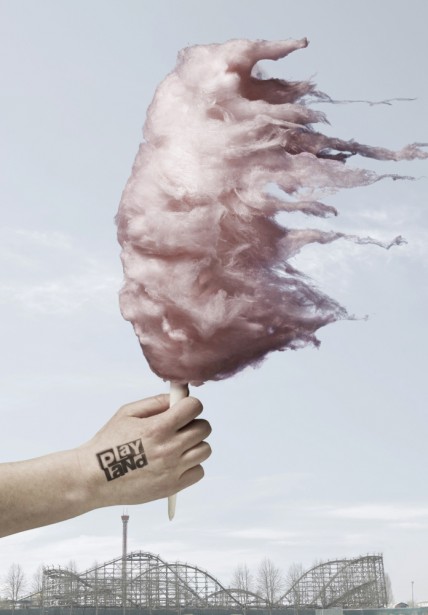
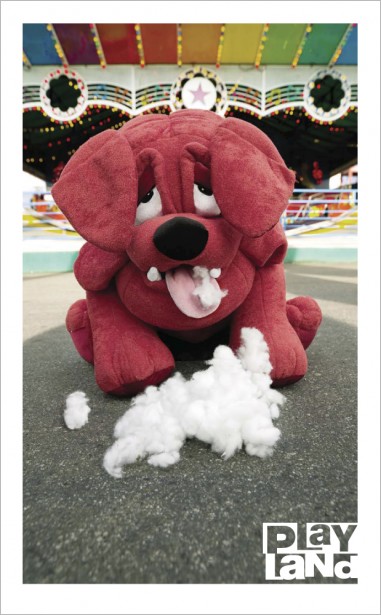
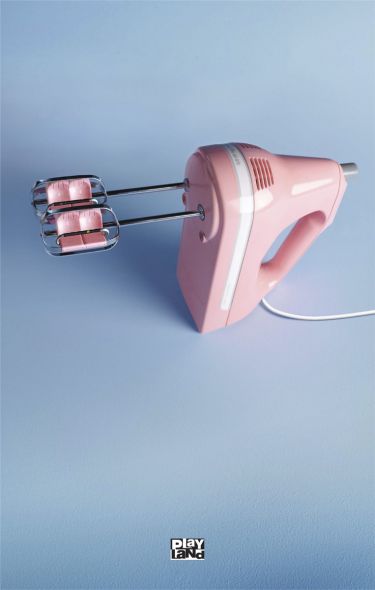
When school’s out and summer’s in, I inadvertently find myself hoping to catch a glimpse of Playland’s annual ad campaign. The advertisements first caught my eye a couple of summers back: while it was the playful colours that piqued my interest, it was the campaign’s effective simplicity that I found charming. Playland’s ads rely primarily on witty images that transcend words. Using the power of humour (plush toys vomiting stuffing) and familiarity (quintessential amusement park food) to their advantage, Playland has created a winning formula that inspires nostalgia for carnivalesque experiences people relate to. The ads have a way of capturing the precipitous feeling of screaming your throat dry, of your heart reverberating against your chest, of your breath getting caught in your throat. Indeed, outside of an amusement park context, such feelings should be the opposite of fun, bringing to mind society’s perverse behaviour of paying to get scared for entertainment. Luckily for Playland, on carnival grounds, all bets are off.

Spam prevention powered by Akismet