

Many people are now playing the new Pokemon black and white versions that came out recently. I decided to write about Pokemon in my blog to address the target market of the game and how the different Pokemon games have changed throughout their development. The first 150 Pokemon along with the first 2 game-boy games (red and blue) came out in America around 1998. For the average 19 year old in 2nd year of university we were born in 1991, so at that time we were around 7 years old. Little kids/children at that time were the obvious target market of Pokemon when it first came out. Throughout Pokemon history, there were always a team of bad guys (originally known as Team Rocket) who attempted to capture Pokemon to take over the world. However when the new black and white versions came out, I think that Nintendo considered the fact that their original target market (children at the time) were growing up so Nintendo put certain new aspects into their new games. One obvious example of this is the fact that the “bad guys” in Pokemon black and white are known as Team Plasma. However instead of selfishly capturing and stealing Pokemon to try to take over the world they are actually considering the ethical aspects of having Pokemon. Throughout the game Team Plasma talks how about humans and trainers are capturing Pokemon and using them to battle for their own selfish reasons, and the fact that they never actually considered the feelings of the Pokemon and whether they wanted to serve their trainers. The issues and conflict in the game are now more mature and serious issues, addressing morals and ethics. I think that Nintendo is doing this to address the growing up of their target market.

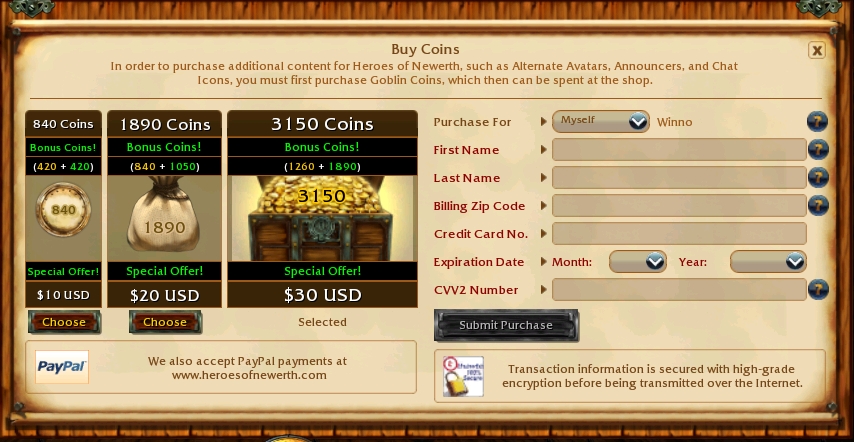
 So, Heros of Newerth (Hon) is a semi rpg type game that I play. Hon is a 5vs5 team based game where each person controls only 1 hero and tries to fight to destroy the opponents “sacred building”. The reason why this is brought up in the marketing blog is because of recent marketing strategies used by s2 games (the maker of the game) to make money and promote the game to consumers. Firstly, the game “recently” introduced a goblin coin system where you get a certain amount of silver goblin coins after each game. These silver goblin coins could then be exchanged for character models, character icons or sound packs to allow you to customize your own game. This is something we learned in marketing class where a strategy of consumer loyalty is to allow the consumer to have a say in the product or allow them to get involved in some way. Hon players can also log on to the forums and request certain models to be made or simply make one themselves and put it online to see the opinion of others before they are possibly implemented into the game to be enjoyed by everyone. However, Hon has now introduced two new marketing strategies in their video game. There is now something called gold goblin coins which can only be obtained through using real cash. There are items called premium items which benefit users with gold coins because they cost relatively little gold coins but a whole bunch of silver coins to encourage users to buy gold coins with cash in real life. For example a hero model might only cost 800 gold coins but be worth 6800 silver coins meaning that you either have to play a super super long time to get it or you simply pay to get gold coins and get the model right away. Another strategy that they have implemented is something called gold avatars (models), where a certain model for a hero will only be available for a short amount of time and then never again. Both of these marketing strategies attempt to make users feel exclusive because not everyone is willing to pay for premium models and lots of people might miss the short amount of time available for gold avatars.


