Categories
Uncategorized

Reading Breaks News

Over the Reading Break, we received word from Claudette that she would like to meet us at the Gardens on Monday, March 5th to get approval from the executive director of the gardens and the architect, so as to finalize the design.

As this changes our plans (we had planned to complete construction over the Reading Break), we will need to implement a new schedule in order to anticipate our new completion date. Modifications to the scope of the project may be necessary.

We will discuss any modifications and change in schedule with Dr. Nesbit on Thursday at 12:30 pm.


Categories
Uncategorized

Materials Update!

During Monday’s meeting, our team decided that it would be best to start building the Ting barriers over reading week. Our client has seen our designs and she seems very happy with them (as are we), we are now waiting for the approval from the executive director of the gardens.

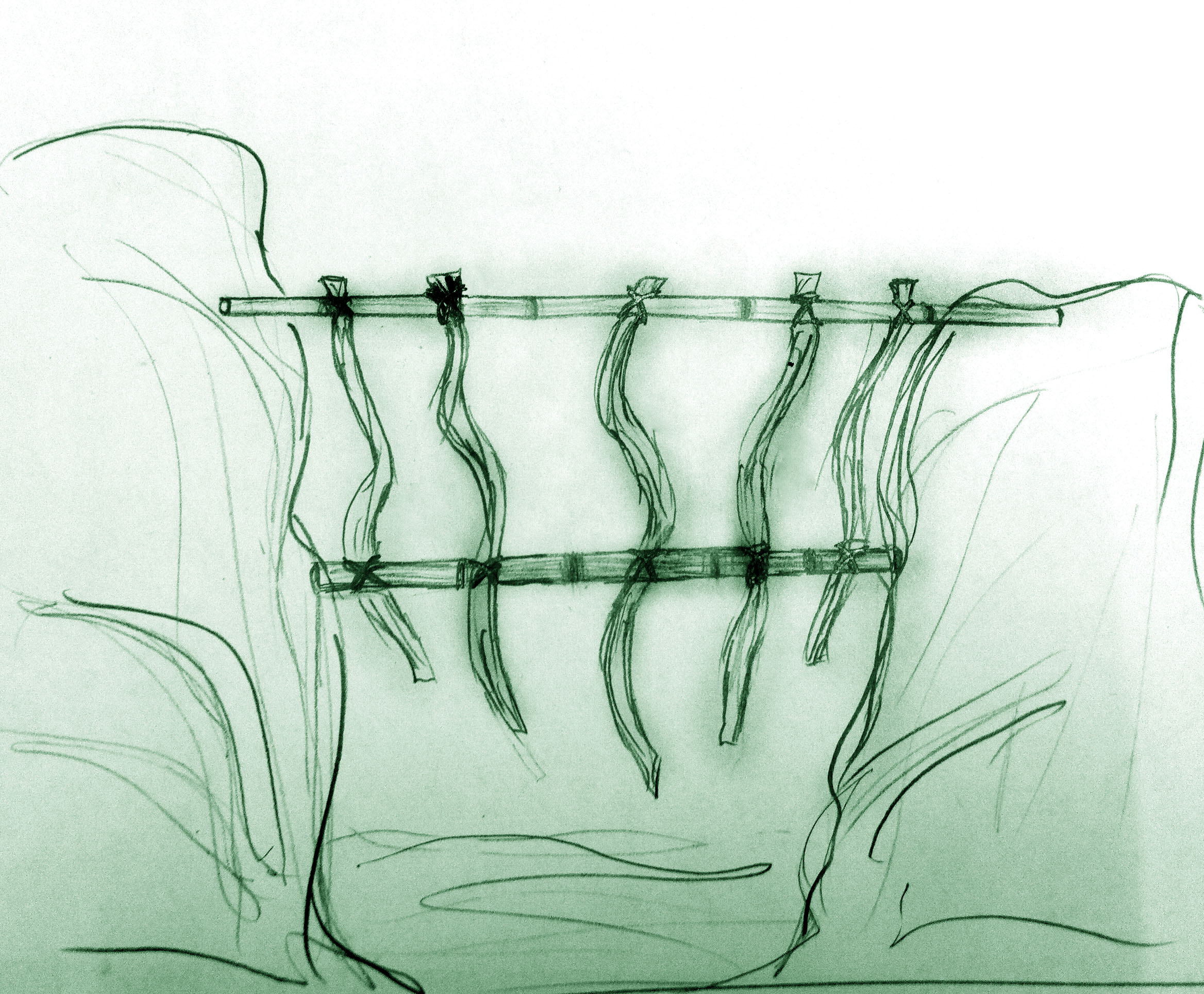
As a reminder, our favourite design is shown below-we are really hoping this is going to be the chosen one as we feel it blends in well with the landscape and feel of the garden.

Once our design is approved we will go ahead with purchasing materials, here is the tentative list we have come up with:

–       1.5m x 15 pieces (bamboo, no shorter than 1.5m each length)

–       30 m of curly sticks, no shorter than 1 m a piece

–       wood glue

–       waxed synthetic cord of natural colour

–       some sort of sealant/protector to help slow the weathering process of the twine and sticks


We have tried to remain as natural and simple as possible with our materials list based on the restrictions the garden has provided us with (no nails, screws, metal, etc.). As for our projected completion date of the three barriers, if our design is approved before next week we will go ahead with the construction! We are very excited to begin making the barriers and can’t wait to see the final result.


Categories
Uncategorized

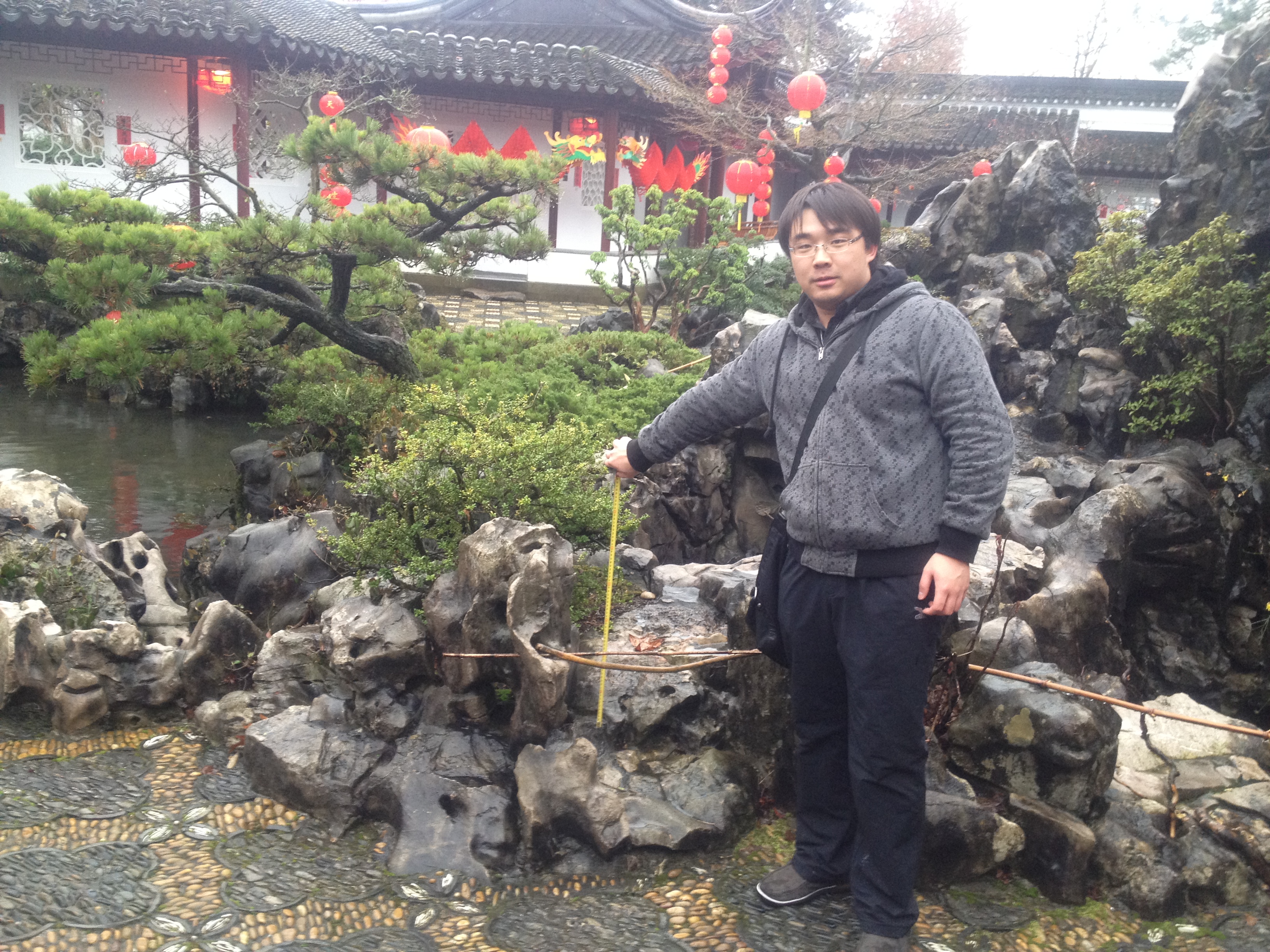
Measurements from the garden

This week our group decided to get some measurements in the garden, this is one of the most important part of our design. After we obtain these data, we can decide which materials that we are going to use, and how much of the materials that we need. In addition, how we can get these materials will become our problem. Based on the measurements, it shows that for our beautiful but a little bit complex design, it going to require a lot of materials. Now we still don’t know who is going to pay them. Next week, we are going to discuss this in details to ensure our design is realistic. We are not allowed to use metal, so we can’t use nails to put wood or bamboo together. Using rope is a good choice, however, we may need a lot of them to make our barriers strong and we need to consider the design life of ropes.

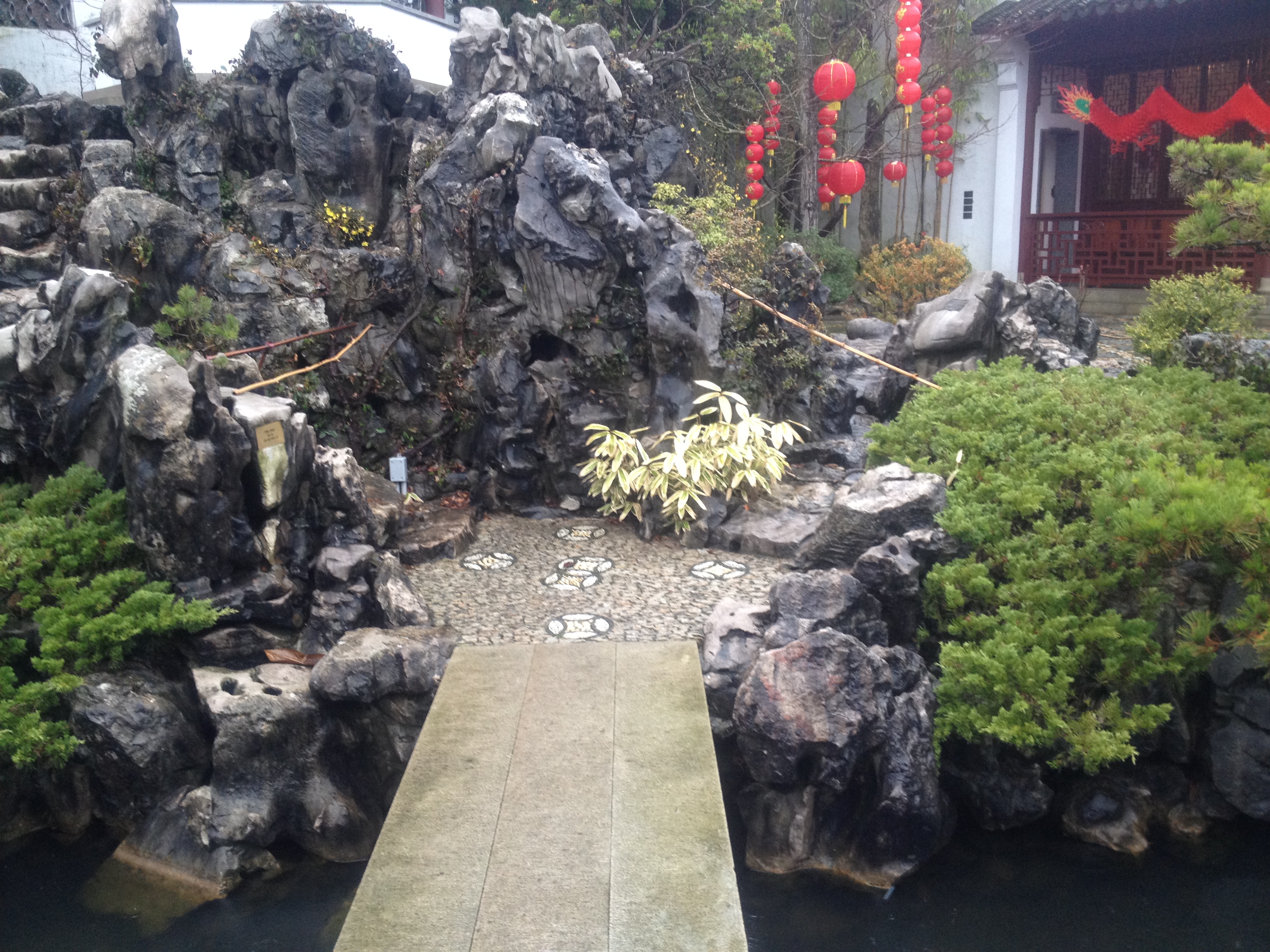
Our designs are very beautiful!!! It will be compatible with the art in Ming Dynasty. In the garden, the rocks are from Ming Dynasty, they are old and slippery. The client asked us to design moveable barriers so that during holidays and festivals they can remove the barriers to let people climb up the fake hill to get to the “ting”. After my second time to the garden, I strongly recommend that our design needs a base, such as a box or bracket, otherwise it won’t stand.

Next week, hope we can finalize our design and find out what materials we need and how we can obtain them. Then the week after next week, which is reading break, we can actually build barriers, to make our design into a real thing!!!


Come on, we are the best team ever!!!


Categories
Uncategorized

Design of Ming Dynasty Gardens

Since our project is designing barriers which must be compatible with Ming Dynasty Garden architecture, design and appearance, here is an explanation of features of Ming Dynasty Gardens.


The gardens in Ming Dynasty are the most outstanding representatives of Chinese gardens. Many of the gardens are designed by the famous literati and painters with its beautiful scenery; a large pond full of lotus blossoms, surrounded by structures and pavilions designed as viewpoints of the lake and gardens.


1. Enjoy the Natural Beauty without leaving your house


rocks


The appreciation of natural scenery is an important part of Ming Dynasty gardens. They pursued the special pleasure of “enjoying the beauty of nature without leaving your house,” and aimed for the standard of the “four fits” and “one effect” ; fit for strolling in, fit for sightseeing, fit for amusement and fit for residence, and the effect of being “pleasing to the ears, with the sounds of apes and birds and being pleasing to the eyes, with the scenes of mountains and waters.”


2. Raise the Visitors’ Awareness of the Beauty of Space


rocks


Various architectural techniques are used to arrange the position and expand the visual space, such as winding and covering, hiding and revealing, closing and opening, separating and borrowing, to make visitors aware of the aesthetic use of space. All of techniques were used to give a far-reaching view within a restricted area through the arrangement, organization, creation and extension of space.


3. Bring in the Bright Moon and the Fresh Breeze from Nature

Ming Dynasty gardens emphasize the spirit and the vitality of the gardens by using ever-changing nature, such as rain, wind, clouds and sunshine. They are designed to bring into the garden the shades of clouds, the sheen of sunlight, the changes of daylight from dawn to dusk and the variations in weather, enabling even a small garden to contain beautiful, diverse scenery.


4. The Charm of Rocks and Stone

Artificial rocks are regarded as a model of copying from nature. This rocky structure is described as “one mountain possessing the forms of hundreds of mountains.” When it is seen from different angles and perspectives, it has diverse looks from mansions, houses, halls, pavilions, boats, bridges, cliffs, valleys, hills and caves.


5. The Beauty of Flowers and Trees


rocks


The gardens  are full of beautiful trees and flowers, which have various colors, pleasant fragrances, shape and special characteristics, greatly added to the charm of the gardens. Also, different flowers were planted to bloom in different seasons, giving a changeable beauty.


6. The Beauty of Black and White Shadows of Light


rocks


Architectural structures in Ming Dynasty gardens were peculiar with black tiles and whitewashed walls, simple and elegant, with the charm of a sharp contrast between black and white. In Ming Dynasty gardens, there is a beauty of the shadows from the light.  At sunset, the rockworks, peaks, bamboo, cypresses and the other trees and flowers in the garden cast the black shadows of their profiles onto the white wall.
Spam prevention powered by Akismet