Categories
Uncategorized

Science World—–Stream Table—-#5 Blog

This week most of us were working on the documentation and the final report. In additional, as we mentioned last week, posters were needed to better illustrate the table. Alyssa and Saman were doing the poster and these were what they had so far. The posters part will be included in the recommendation in the final report.
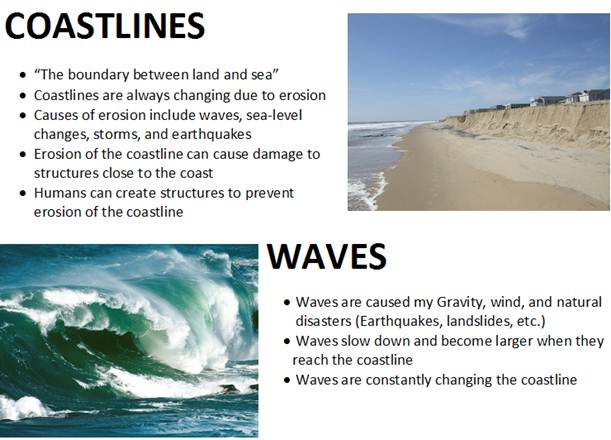
(poster 1)
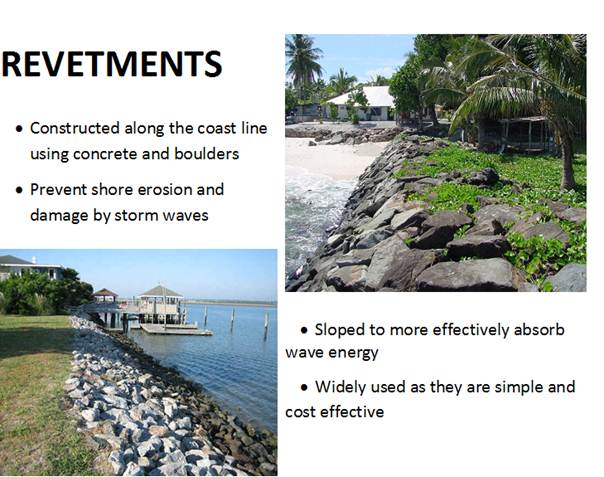
 

(Poster 2)

Plexiglas was used in the design and the price was roughly calculated by Jack and Jordan, since we have designed budget for this plan. As our mentor said, it is better to estimate the price by knowing the major and minor cost associated with the project. The estimation will be included in our draft report in addition to summary of the grit experiment we did last week.


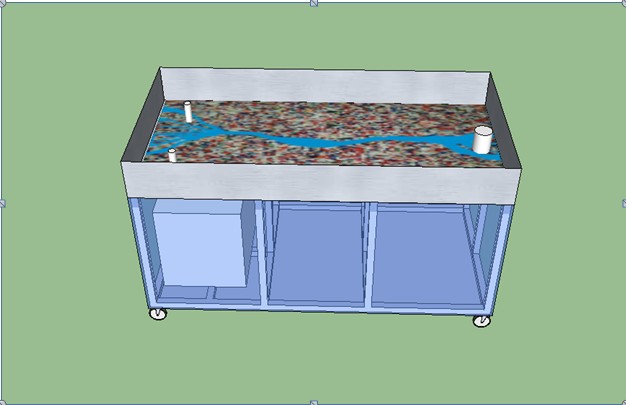
The sketch up of the final design created by Julie is shown below. As we stated last week, the final design will include Plexiglas, paddles that creates waves, and four distinct shore line areas for the users to interact with. The design will use the existing drain system, with the options to install additional drain in each of the four shorelines. The entire table will be covered in Plexiglas and most of the barriers will also be made of Plexiglas to allow users to see as much as possible.
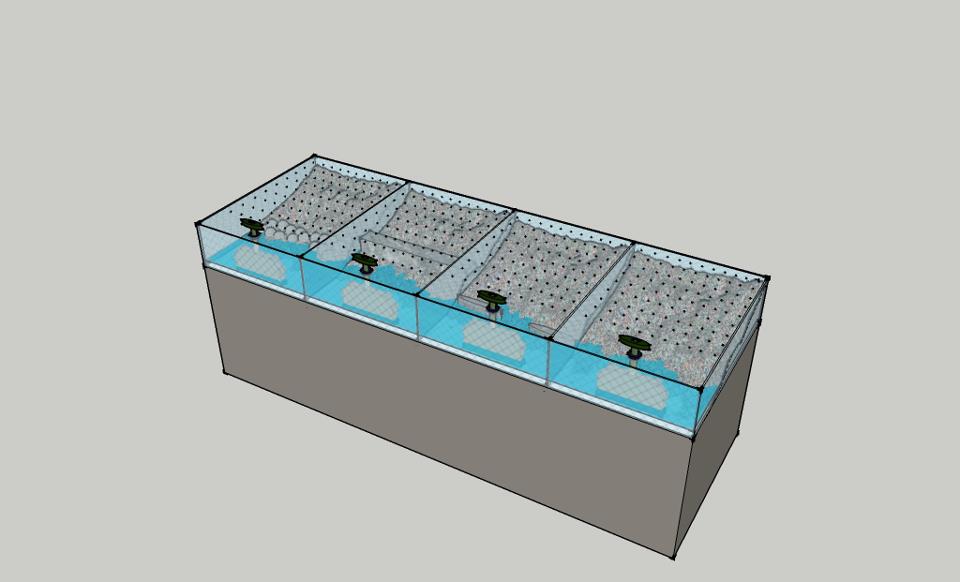
 

(Overview of the design)
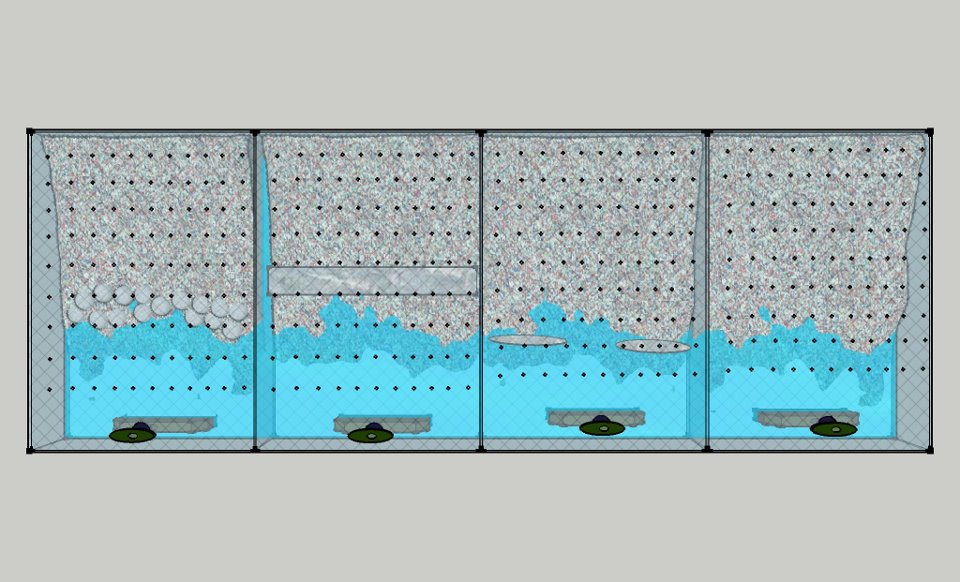
 

( Top view)
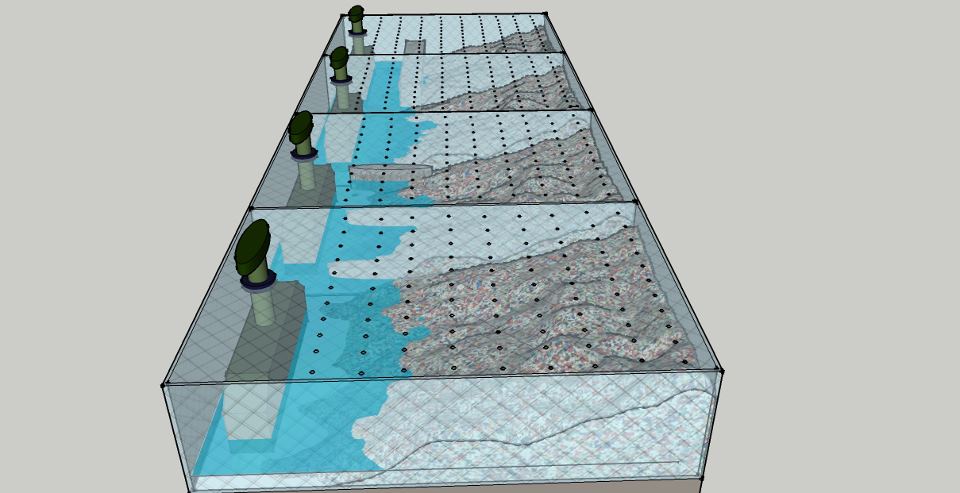
 

( Side view)


We began our final report and presentation this week. Our report will include Introduction, Objectives, Overview (including the descriptions for each coastal scenario), Recommendations (alterations and cost), as well as a brief conclusion.


As scheduled, the PowerPoint for the presentation was roughly made by Alyssa and the content in the slides is similar with one in the final report. We also divided the slides between Alyssa, Jordan and Saman, we plan to run through the slides for a few time and got feedback from our mentor before we present it to our client next Thursday.


Categories
Uncategorized

Science World–Stream Table—-#4 blog

As we said last week, we have obtained the grit from Science World and have begun doing experiments on with the grit to optimize our design. The experiments included the following procedures:


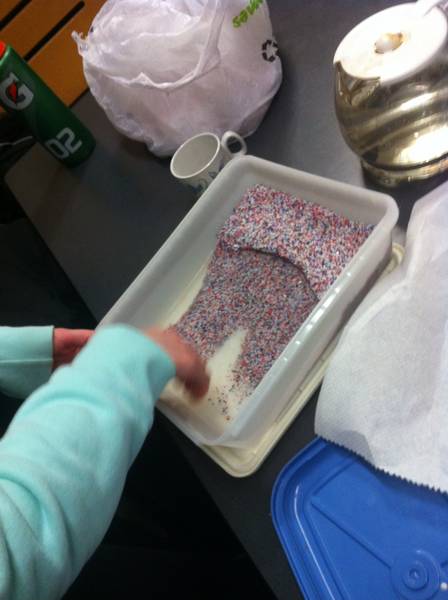
We put the grit and some water into a box, and tried to experiment different ways to pack of the grit into a shoreline formation. We found that when the grit was wet, it was much easier to compact into a shoreline and was more resistant to the waves. Because this plastic is a non-wetting surface, some particles would float until the water surface was broken. Although this is not ideal when installing and changing the grit, we do not believe that it will pose a significant problem in the operation of the exhibit.

(Making waves to create shoreline)


We varied the wave intensity from gentle to violent and discovered that as we increased the wave intensity, the grit was not compact enough to withstand the stronger wave action. We also simulated different scenarios by positioning different objects between the grit and the waves. Unfortunately, the objects we used were too small to have a significant impact on the erosion of the shoreline. We plan to continue these experiments with larger objects through the weekend.


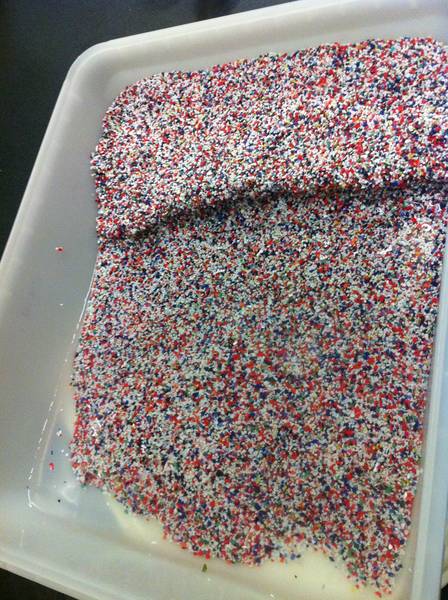
We also experimented with different wave angles and discovered that by varying the angle, different shoreline patterns can be created. A curved shoreline was created due to concentrated  erosion from angled waves. We concluded that each of these scenarios would erode the shoreline in different ways. These experiments also confirmed that when wet, the grit is very sticky and hard to remove from users’ hands, which was a major issue with the original design. To resolve this, we decided to install a vented Plexiglas covering and install levered paddles to create the waves.

(Shoreline created by angled waves)

In addition to experimenting with the grit and final design, our team began designing an informative poster that would mount to the sides of the table. The poster describes coastlines and coastal erosion, in addition to techniques to prevent such erosion. The poster is simply a template for Science World as they have a specific graphic sign template for exhibits.


( Sketch map )

We also contacted our client and they were satisfied with our designed strategy. They were interested in our wave concepts. And they are also open to other ideas including our drainage system and poster changes.

Categories
Uncategorized

Science World–Stream Table. #3 blog.

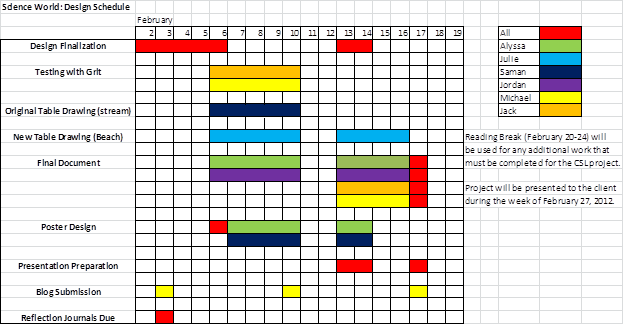
This week we started building our schedule, and assigned tasks to everyone in the group. Some of the tasks include drawing our model, testing the grit and preparing our final report. The schedule includes tasks to be done up to the compeletion of the project.

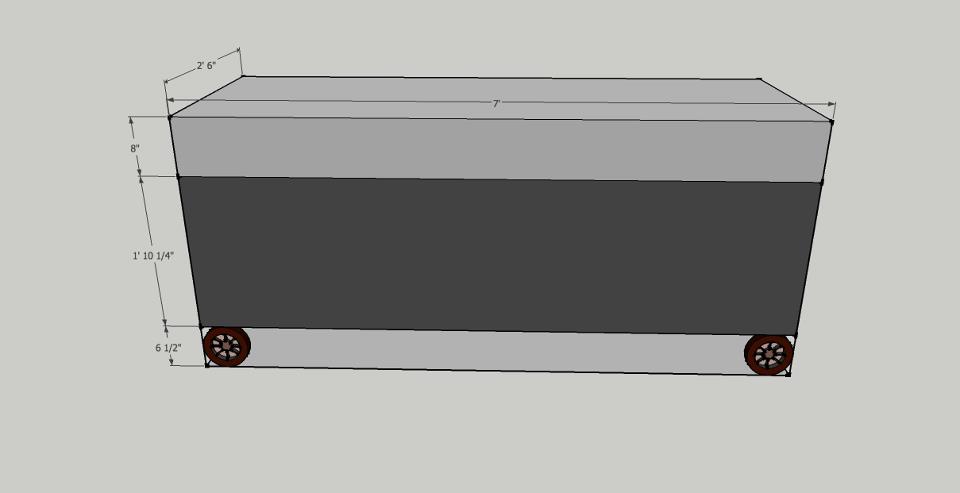
On February 2nd, Julie went to Science World to collect some of the grit and measured the dimensions of the Stream Table. In the coming week, we are planning to do some experiment with the grit, which will allow us to determine how the grit will be incorporated in our final design. The dimensions that Julie collected allowed her to construct the model using Google SketchUp.  These dimensions will be important to our final design:


Our current model is based on the wave interaction with the shoreline. We currently plan to divide the table into a number of sections. Each will have its own waves and shore structure which will allows the users to see multiple outcomes at the same time. We also plan to cover the entire table in vented Plexiglas to make sure the users (especially children) are not able to touch the grit. We plan to have mechanical wave making devices on the outside of the table to allow the users to manipulate the waves as they like.


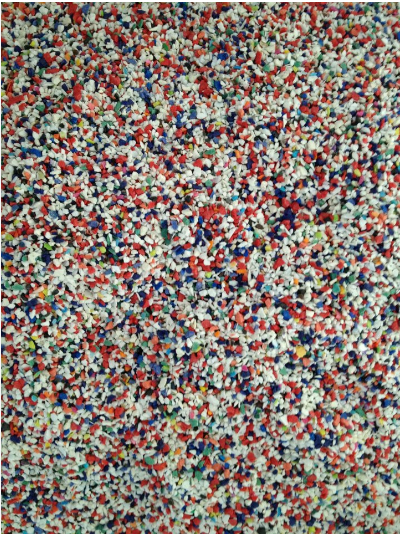
( Picture of grit)


Now that we have finalized our design option, we are excited to split up our tasks and get working on the design itself. We are looking forward to working with the grit hands-on and hope it works well with our wave table design.


Spam prevention powered by Akismet