Categories
Uncategorized

Blog #2: Meeting with the Client and Touring Environmental Lab

Meeting With Andrew Rushmere – UBC Farm

Date: January 19, 2012

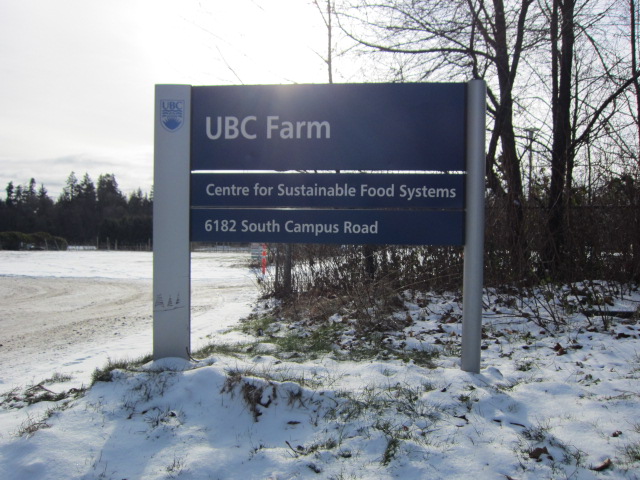
Our whole team drove to the UBC Farm to discuss the client’s expectations for the project.  Mr. Rushmere was very enthusiastic about the project and had a clear idea for what he expected from our group.  He explained that he wanted us to test for all nutrients and any particulate in the wastewater in the time we had to execute this task.  The reason for these tests is to determine if the wastewater is suitable for use at the UBC Farm.  This project is one of many small student-based projects that will help prepare for the new farm centre, which is to start construction by 2013. The regulations on reclaimed wastewater (after going through a filtration system) are very strict and Mr. Rushmere is trying to show that the regulations could be revised.  Currently the reclaimed water from the Solar Aquatic System is only being used to flush the toilets and water the plants in the CIRS Building, but is theoretically suitable for irrigation and possibly consumption.
 

Meeting With Paula Parkinson – Environmental Laboratories

Date: January 23, 2012

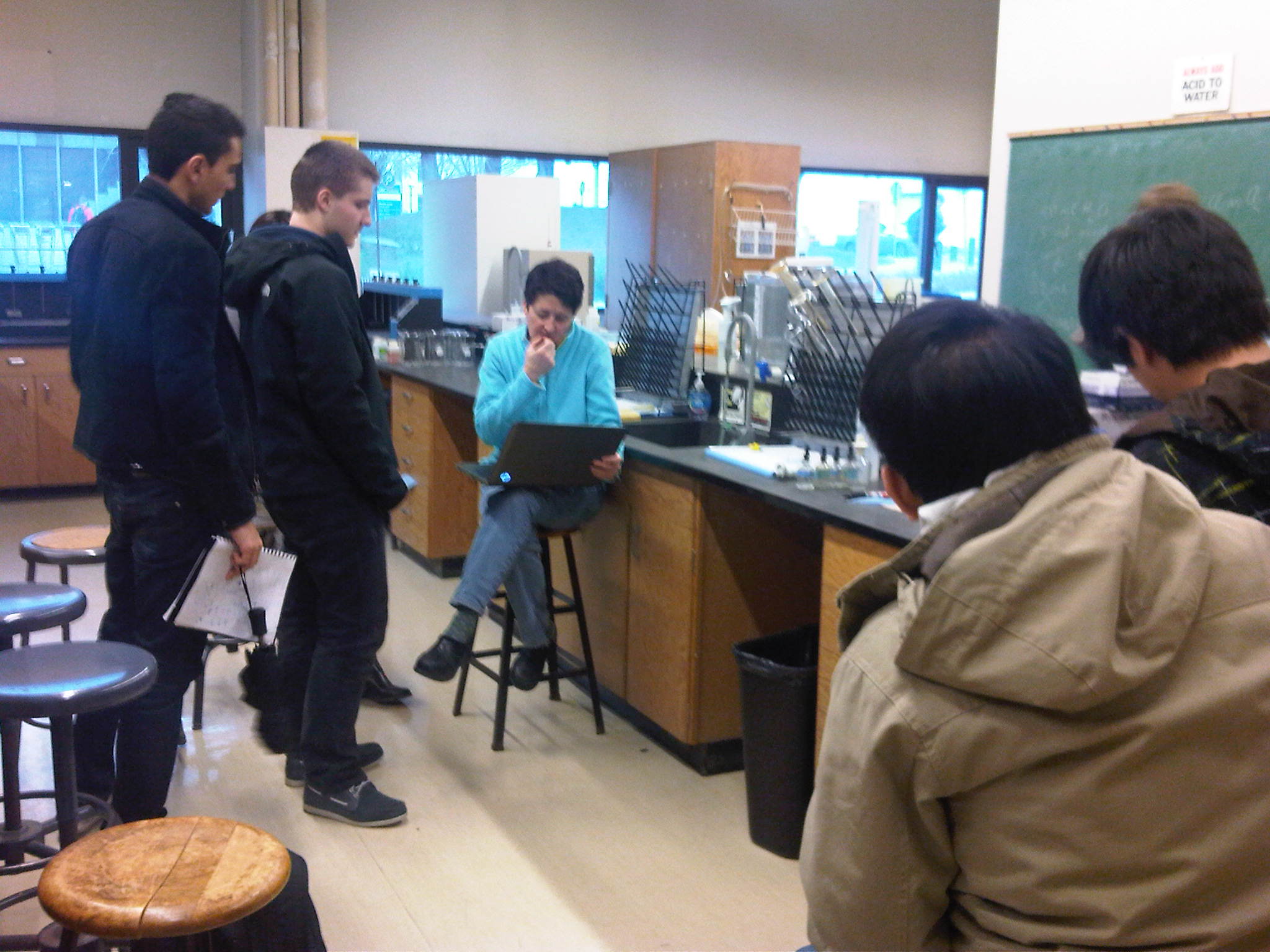
Our meeting with Ms Parkinson revealed that along with the tests for nutrients, we should be running fecal coliform counts, BOD (biochemical oxygen demand), chlorine analysis, and salinity and pH tests.  The complexity of these tests varies from performing an instantaneous BOD reading via a probe to growing fecal coliforms over a few days.  The nutrient samples will be collect over the next month and preserved to be analyzed at the lab in one session.  The wastewater will be ‘digested’ with acid and tested for the above contents/particulates.


Categories
Uncategorized

Blog #1: Introduction

Team Organization

Our team consists of six Civil Engineering students: Rayna Chen, Jad Haidar, Jonathan Ketchum, Ramon Mendoza, Harrison Read, and Matthew Wong.  Our mentor is Sepideh Janka, a PhD candidate in Civil and Environmental Engineering. We will be working with Andrew Rushmere of UBC Farm. Below is a list of each member’s role:


Leader: Jad Haidar

Blogger: Rayna Chen

Secretary: Harrison Read

Document Collector: Ramon Mendoza

Client Liaison: Jonny Ketchum

Instructor / Mentor Liaison: Matthew Wong


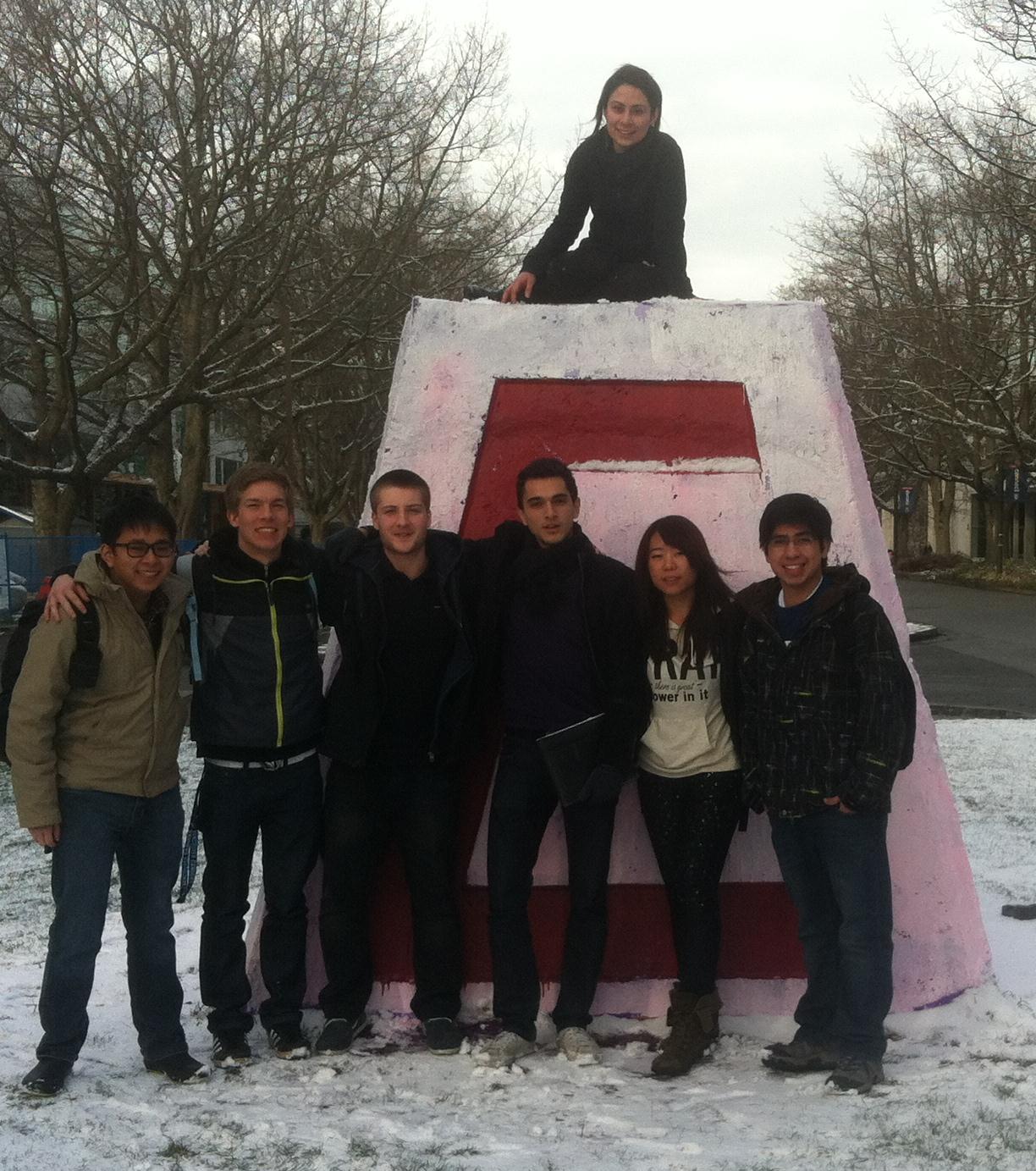
From Left: Matthew Wong, Jonathan Ketchum, Harrison Read, Jad Haidar, Rayna Chen, Ramon Mendoza; On Top: Sepideh Jankhah

Purpose

The objective of the CIRS Blackwater Recycling Nutrient project is to test for nutrients in the wastewater running through the living filter. This wastewater runs through various filters including organics, sands, and UV rays to purify the water.  The water source contains both grey matter and black matter.  Water that comes from the sink is categorized as grey water, while black water contains toilet water.  The nutrients that will be specifically tested for are Ammonia/Nitrogen, Potassium, and Phosphorus. The purpose of this testing is so UBC Farms can determine if they can use this same system for agricultural means.  Along with testing for nutrients, the wastewater will be tested for Fecal coliform counts, salmonella, and pathenogenic nematodes. Furthermore, research will be done on agricultural regulations to determine acceptable metal cation content for fertilizers and compare these to the Vancouver code for irrigation.


Significance

The Metro Vancouver area uses a centralized water treatment system where rain runoff, grey water, and black water are combined and treated.  By the CIRS undertaking this type of  wastewater treatment, it decreases the workload of the centralized water treatment system.

UBC Farms intends to adapt the water treatment system of the CIRS for use in an agricultural setting.  Currently, the farm uses potable water that is stripped of nutrients.  By treating the wastewater, UBC Farms will be able to recycle the water and the nutrients within it. These techniques are part of the UBC Farms research to provide a more sustainable environment for the surrounding population.


Categories
Uncategorized

Welcome your CSL Project Blog

You can chronicle your CSL team’s weekly accomplishments as you move toward the successful completion of your project.

Spam prevention powered by Akismet