Transparency is often touted as desirable in government and corporations, but Lauren’s recent blog post about Lululemon’s massive recall of sheer pants highlights how transparency can go wrong. As Lauren discussed, one of the major issues the recall poses is that Lululemon now has a large inventory of pants they can’t sell, and conventional ways that they could dispose of the apparel could deal a significant blow to its carefully cultivated brand image. In addition, the recall has cast doubts on Lululemon’s quality among many parties: investors’ reactions were evident in the precipitous drop in Lululemon’s stock price, analysts have increasingly voiced their concerns about quality, and even devoted fans have begun to lose faith in their favorite brand, some going so far as to call for the firing of CEO Christine Day. An essential part of the promise made by the Lululemon brand is the premium quality of its products, and a disaster such as this is a step towards breaking that promise.
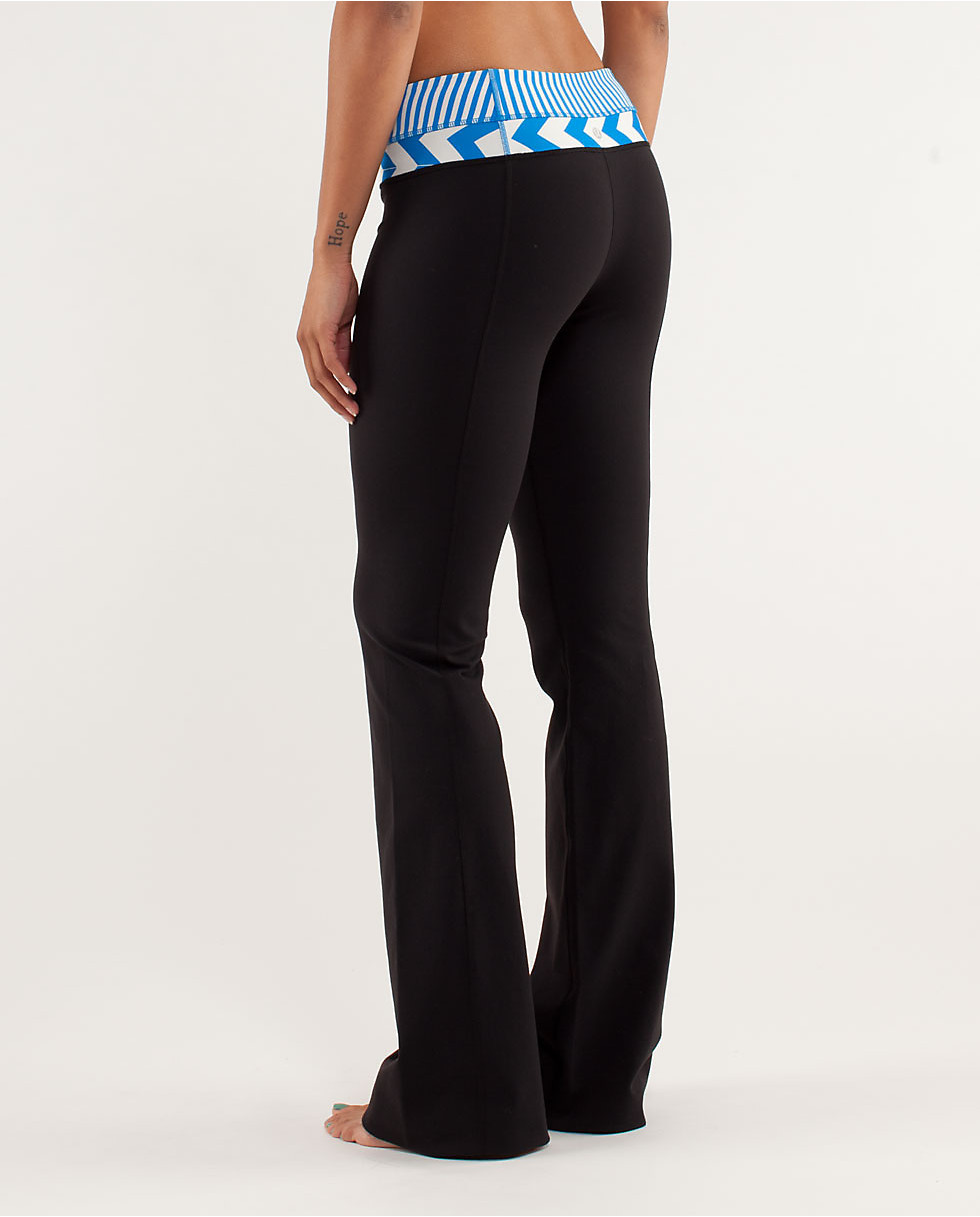
Clearly this calls for some very skilled PR crisis management, and Lululemon is also offering returns on pants purchased after March 1. But how else could Lululemon’s marketing department reassure the public that it still offers products of, according to Day, “the very highest quality”? Lululemon may need to remind consumers of Lululemon’s differentiation by soon offering line extensions with especially innovative products which emphasize the company’s focus on product excellence. Also, salespeople – “educators” – may benefit from additional guidance on how to reinforce the idea of quality when speaking to “guests” and how to assuage their concerns. Both at point-of-purchase and out-of-store, Lululemon may want to provide additional information on how its apparel is made and the lengths it goes to to ascertain the quality of each item. So far, Lululemon has reacted commendably quickly to the crisis, and by continuing to respond well, it can uphold the powerful brand that has been integral to its success.