Category Archives: Biological Sciences

Talking Elephant

Most people have heard a parrot imitate human language, but other than that, has anyone even imagined a talking elephant? Neither did the elephant trainer in Everland, an amusement park in Seoul, Korea when he first heard someone talking in an elephant cage, where no one was inside… Except Koshik, a 16-year-old elephant. This asian elephant was first heard “talking” in Korean words in 2006, but only recently has the research begun to find out why and how human words are produced from this unusual source. The researchers believe that Koshik was able to mimic the sound of Korean language by close interaction with the trainer throughout his juvenile days, when he was the only elephant in Everland. The team say that the juvenile ages for elephants are crucial for the their social behaviour and development, but since all he got to bond with was his trainer, he ended up with this fascinating trait.

Koshik’s vocabulary consists of five Korean words, “annyong,” “anja,” “nuo,” “choa” and “aniya”, meaning “hello,” “sit,” “lie down,” “good” and “no.” These words Koshik was able to produce were the most common words said by the elephant trainer, backing up the evidence that Koshik was able to make these sounds due to very close human interaction. He wasn’t the only elephant claimed to produce human speech, as there was an elephant that apparently could produce Russian words, but it was never scientifically investigated.

What is really interesting about Koshik is that, elephants, can not morphologically “say” those words that he is producing. Elephants have trunks, instead of lips, so they can not produce any pronunciation. They also have long larynx, only able to create a low-pitch noise. Koshik, however puts trunk in his mouth to produce this sound. Angela Stoeger, a head researcher says that it is very surprising to see that Koshik is able match both pitch and timbre of human voice, which are the two most important aspects. The accuracy of the pronunciation was confirmed by native Korean speakers writing down what they heard on the recorded playback.

Koshik’s new language skill, not yet used by any other elephants lead to a very important insight as Stoeger and her researchers dig deeper as how exactly this elephant is able to make this sound, why this elephant decided to do so, and his remarkable intelligence.

YouTube Preview Image

Mokhan Kim

Crave-Or-Treat: The mystery of chocolate cravings revealed

Image source: http://2.bp.blogspot.com/-LXS8LvKo7hI/UIxKDGTCKCI/AAAAAAAAKVE/OK
lxWOSx4no/s320/beadandelion_halloween-candy-coupons.jpg

With Halloween creeping closer and closer, all supermarkets and grocery stores have an abundant supply of chocolate and candy on sale.  Seeing all this chocolate around us is bound to result in cravings for the sweet treat, but is there more than what meets the eye?  Usually, a food craving is the body telling us something; there is a physical reason for why we crave certain foods. So what is our body trying to tell us when we are craving chocolate?

One thing that the body might be telling us is that out blood sugar level is low.  Chocolate has a low glycemic index, meaning that, unlike other candies, chocolate will not result in a spike of sugar level, and therefore will not cause a sudden sugar crash.  Since it stabilizes our blood sugar level at a gradual rate, it is more likely that we crave chocolate over other sweets.

Image source: http://edgehopper.com/wp-content/uploads/2010/12/stressed.jpgone

Chocolate is most often craved when is feeling stressed or upset and this can be traced in the chemical phenylethylamine.  For the same reason that chocolate is known to be an aphrodisiac, chocolate releases endorphins, a chemical which naturally lifts a person’s mood and often have calming effects when the body is stressed.  Studies have also shown that chocolate increases the level of serotonin, a neurotransmitter that, similar to endorphins, promote feelings of well-being. As a result of these two substances, a chocolate craving may be telling us that we need an increase of substances that improve our mood.

Another reason that could contribute to why chocolate is so highly craved is the fact that it contains traces of tetrahydrocannabinol (THC).  This substance is also found in marijuana and it reacts with cells in the brain that release dopamine, one of the neurotransmitters responsible for the release of endorphins.  This is the chemical responsible for the temporary feeling of “high” in marijuana.  Although chocolate only contains a small fraction, the addicting component can be a reason for the craving.

Finally, research has shown that women crave chocolate more often than men, especially before menstruation.  This phenomenon can be explained with the release of magnesium in chocolate consumption.   Prior to menstruation, women experience magnesium deficiency; therefore, the fact that chocolate releases the chemicals described above as well as magnesium is a reason why women tend to have a higher craving for chocolate.

So this Halloween, when you are craving the sweet taste of chocolate, don’t be frightened and treat yourself because it is simply your body’s way of telling you that you are lacking something beneficial that chocolate can restore!

Image source: http://i2.squidoocdn.com/resize/squidoo_images
/250/draft_lens2991692module148476907photo
_1298603252Mo
reChocolateLOGO.jpg

Blog post by: Deborah Lo

Gang Robbery by Terrestrial Hermit Crabs

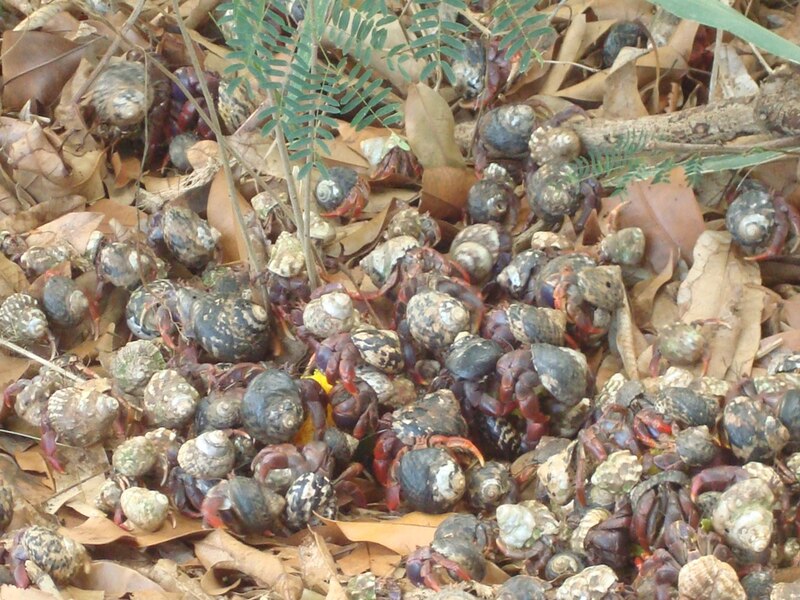
Shell shortage of terrestrial hermit crabs leads to vicious social situations, whereby hermit crabs will gang up to take over shells inhabited by other hermit crabs. This causes some crabs to lose their shell, and often these crabs must resort to an unpractical shell which does not give sufficient protection.

Hermit Crab with an unusual and unpractical shell
Image from http://www.divematrix.com/showthread.php?9520-hehehehe-Hermit-Crab-movin-on-up!

Hermit crabs live in shells that were abandoned by other creatures such as snails. Unfortunately for terrestrial hermit crabs, abandoned shells are extremely rare in their habitat. This creates an issue for the terrestrial hermit crabs as they need to continue to find new shells to inhabit as they grow. Terrestrial hermit crabs can hollow out shells that they inhabit so that there is more room to grow, more room for eggs, and so that the shell is light to carry around. However, hollowing out shells takes time and energy for hermit crabs, and so the crabs would prefer to inhabit a shell which has already been hollowed out. As well, only the smallest of hermit crabs can fit into a shell which has not previously been hollowed out.

Mark Laidre, from the University of California, Berkeley, explains an unusual social routine of terrestrial hermit crabs. Dozens of terrestrial hermit crabs will gather and form a line when a group of three or more hermit crabs are initially together. This line is ordered from smallest to largest, with each crab holding onto the crab with the larger shell ahead of them in line. Crabs will try to pull other crabs out of their shells, and if successful all crabs will move up in line at the same time to inhabit a larger shell. Usually, only the smallest shell remains for the unlucky terrestrial hermit crab that was pulled out of its shell. This shell is not large enough for the crab to fully protect itself.

Terrestrial hermit crabs begin to gather and ‘fight’:YouTube Preview Image

This social behaviour is significant as it illustrates the evolution of hermit crabs in order to survive in their specific habitat. There is a shortage of shells for terrestrial hermit crabs, but not so much for marine hermit crabs. Because terrestrial hermit crabs need to ‘fight’ for appropriate shells throughout their life, they utilize this social behaviour to make it easier for smaller crabs to take over larger shells. Conversely, marine hermit crabs do not demonstrate this behaviour, since finding new shells is not a large issue.

To us humans, this social behaviour may seem ridiculous. In our terms, the terrestrial crabs’ routine is almost the equivalent of a gang of humans kicking someone out of a renovated mansion into the smallest and most dangerous of homes. But, for the terrestrial hermit crab it is a way of life. As of yet, there are no hermit crab laws to stop this from happening!

Submitted by: Angela Johnston

Multivitamins for health?

Many of us take daily multivitamin or mineral pill. It is convenient and we feel that by doing so, we are getting all the vitamins and minerals our body needs. But is it really beneficial? And is it safe? Let’s take a closer look.


Health benefits of multivitamins:

Vitamin and mineral supplements cannot act as a complete food substitute because they can’t provide us with all the benefits that whole foods, such as vegetables, fruits, dairy and whole grains, do. However, many people don’t eat well-balanced diet because they don’t like some type of food, don’t have time or are on a special diet. Therefore, multivitamin and mineral supplements can be used as a way to fill in the gaps in our diet. This can ensure an adequate intake of micronutrients  so our body stays healthy.

According to Dr. Jane Higdon of the Linus Pauling Institute, multivitamin supplements may play a role in prevention of chronic diseases such as heart disease, osteoporosis and cancer. For example, folic acid can decrease risk of cardiovascular diseases and Alzheimer disease and vitamin D and calcium intake promotes healthy bones. Inadequate intake of many vitamins and minerals can cause health issues such as anemia (low red blood cell count) due to iron deficiency or rickets (softening and weakening of the bones) due to vitamin D deficiency.


Possible risks and things to watch for:

The most common risk associated with an intake of vitamin and mineral supplements is that of overdosing. Taking too much of some vitamins and minerals can be harmful to your health. For example iron overdosing can cause organ failure and too much of vitamin A can lead to nervous system damage and osteoporosis. Therefore avoid megadoses; don’t take multivitamin and mineral supplements which contain more than 100 percent of the Daily Value of any of the micronutrients. Also, some type of foods, such as cereals or beverages, might be fortified with vitamins so check the labels. You don’t want to get more vitamins than you need.

Always take the vitamin pills with food so that the vitamins can be properly absorbed. For instance, fat-soluble vitamins, such as vitamin A or E, need to be taken with fatty foods, otherwise your body won’t absorb them.
Check the label. Never buy supplements with no expiration dates on them and don’t take vitamins or minerals which are past their expiration date.

Here you can watch an episode from BBC Horizon TV series. It examines if multivitamins are really beneficial to us and if there might be “too much of a good thing” when taking vitamin supplements.

YouTube Preview Image


A few words at the end:

If you need to take multivitamin or mineral supplements because you don’t get enough micronutrients in your diet, choose carefully before you buy. Look at the content as well as the quality verification and when in doubt, consult with your doctor.

Nesim Lichy

How Obesity Reduces Cognitive Skills

Image from: CNN
http://thechart.blogs.cnn.com/2012/10/18/your-brain-on-food-obesity-fasting-and-addiction/?hpt=he_t4

How to live healthy is common interest of all people. However, obesity has limited the movement of living healthy. Due to human tendency to crave sugar and abundant food supply in 21st century, people are getting fat. For example, in the United States and Canada has adult obesity rate is 35.7% and 17% respectively. In the case of the United State, obesity is very serious problem since one third of its entire population is obese. As it is well known, obesity is the main cause of diseases such as heart diseases and high blood pressure levels. However, new study reports that obesity could also impact in lowering brain function. Therefore, this blog is created to illustrate how obesity affects brain function.

Future Obesity Rate in the U.S. (video link)

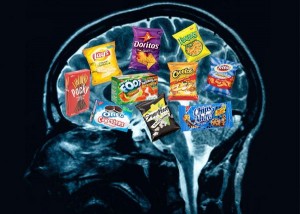
Researchers at the University of Turku and Aalto University explained how obesity alters brain function. Mid-region of the brain called striatum uses glucose for its metabolism and commands the body to obtain sugars. In obese individuals, striatum is over-activated causing excessive intake of sugars. Meanwhile, increase in activity of striatum decrease prefrontal cortex (front part of brain) function where cognitive function is controlled. Professor Lauri Nummenmma from University of Turku explains cognitive function is suppressed by the overly activated striatum and preventing the body from controlling amount of sugar intake.

Picture retrieved from:
http://www.impactlab.net/2012/10/17/how-diet-affects-brain-function-revealed-in-studies/

Timothy Verstynen reported at the Society for Neuroscience that obesity reduces cognitive function. Verstynen gathered 29 participants with different body mass ranging from normal weight to obese and asked them to solve questions. Based on the brain image of all participants in the study, the brain activity was observed greater in obese group than the lean group to solve the same questions. What this indicates is that obese participants are inefficiently solving a question. Therefore, obese population has more difficult time in solving complex tasks than those of lean population.

Video: How Obesity Affects Brain function in teens (specific case)

The common dieting method among the people is to fast. However, the result is not promising. Tony Goldstone claims that skipping breakfast could result gaining of weight. This is because skipping breakfast activates specific brain region called orbitofrontal cortex, located at the frontal side of the brain. Upon activation, it commands the body to eat high calorie foods. However, having a breakfast lowers the activation and prevents the body from eating high calorie foods. In general, obese population has their orbitofrontal cortex overly activated, craving them for higher calorie foods and preventing from losing weight. Therefore, obesity not only cause gaining of weight but also manipulates the normal brain function.

In conclusion, it is found that being obese does not only cause a heart disease but also reduces the brain function. For example, obese individuals are less efficient in solving a problem than the lean individuals. Therefore, it is very important to have healthy and low calorie foods to keep both brain and body in a good shape.

By Young Ryu


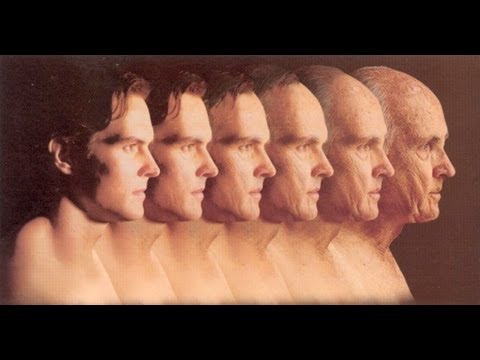
Is Immortality at Hand?

I don’t want to die.  Ever.  Don’t ask me what I would do after I would have visited all the countries in the world and watched all the re-runs of Two and a Half Men.  I just don’t want to die.

I’m not the only one.  For as long as history can recall, people have been trying to find ways around death.  Whether it is through religion, alchemy or science, us mortals have been trying to put an end to aging and death.  Today, scientists might actually  be onto something which could give us a shot at immortality.

We know that, in humans, cells reproduce through mitosis, a process in which a cell separates its nucleus’ chromosomes into two identical sets, in two separate nuclei.  In 1961, Leonard Hayflick demonstrated that normal human cells can undergo about 40 to 60 divisions before entering a phases of senescence (that is, before becoming old and losing their ability to divide).  Senescent cells don’t replace themselves with new cells.  They stay in the organism to which they belong, accumulating damage until they reach a point where apoptosis, the process of programmed cell death is reached.  A simple way to put it is that once cells stop reproducing, the body gets older.

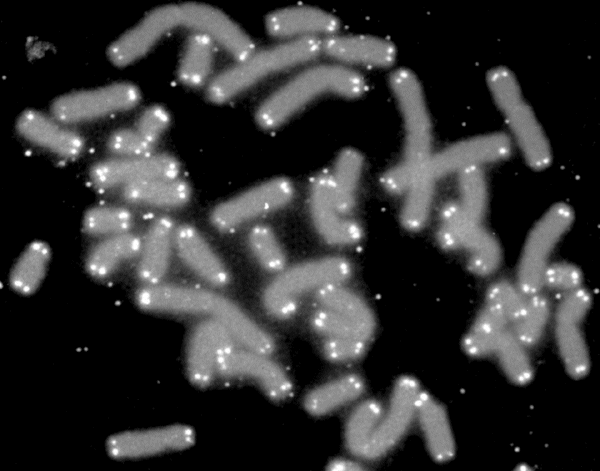
But why can cells only divide 40 to 60 times?  It’s because each time cells divide, their chromosomes get chopped off at both ends.  This is fine at first because human cells start off with “caps” of otherwise useless padding of repetitive strings of DNA called telomeres.

Telomere Caps

Human chromosomes (grey) capped by telomeres (white) Source from Wikipedia

As cells undergo successive divisions, the telomeres get shorter and shorter until eventually they are no longer long enough to enable complete and relatively error-free duplication of the genetic information that they encapsulate.

From this, it seems that if we could find a way to ensure telomeres remain long enough, we could have endless cell divisions, be forever young and become biologically immortal.

It turns out that an enzyme called telomerase lengthens the telomeres by adding bits of DNA padding to them.  Moreover, ways to activate telomerase production have been identified.

I should probably nuance the above by saying that there are still many hurdles to be passed before we can get immortality treatment at local clinics.  Cancer features prominently among them.  Indeed, cancers are collections of rogue cells that gained the ability to divide infinitely through some fluke of the telomere / telomerase regulation mechanism.

That being said, we humans can go very far to get what we want and avoid what we don’t.  Many want to avoid death for themselves and those they love.  Thus, I wouldn’t be surprised if we finally got our chance at immortality before I die.

The following video is a podcast from Dr. Ed Park explaining the aging as a result of shortened telomeres.

YouTube Preview Image

For more information on the topic:

http://www4.utsouthwestern.edu/cellbio/shay-wright/intro/facts/sw_facts.html

http://www.viewzone.com/aging.html

Life after death

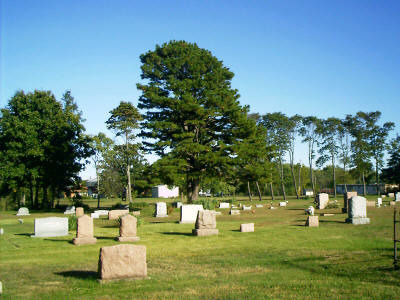
Trees in cemetery. Image from  Rootsweb.

Trees in cemetery. Image from Rootsweb.

Have you ever thought of continuing life on earth after death? Perhaps as part of a tree? Although there is a wide range of beliefs on afterlife, one thing is certain: your body is staying here on Earth

Cremation

One of the popular burial method is cremation . Statistics has shown that in 2004, America’s national cremation rate is 30.88% and continues to rise year by year. Cremated human remains consist mostly of calcium phosphate, along with minor minerals such as sodium and potassium. Other elements such as carbon and sulphur are released as gases during burning, although a small amount of carbon does remain as carbonate.

How does cremated human remains become part of trees?

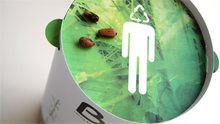
Bios Urn. Image from CBC News.

Bios Urn. Image from CBC News.

There are several options on what to do with human ashes, such as keeping it at home, burying it, and sprinkling it over the ocean or land. Recently, industrial designers, Martin Azua and Gerard Moline, have developed a creative, eco-friendly way to dispose cremated human remains. They have designed a biodegradable urn made from coconut shells, compacted peat, and cellulose. This is also known as the Bios Urn. Ashes will be placed inside the urn as well as a seed of a tree. The urn will then be buried. Calcium phosphate is an excellent fertilizer and since human remains are a good source of those, it will fertilize the seed which will germinate and grow into a tree. Best part is, you get to decide what type of tree or plant you want to become part of.

Although trees help the environment by taking in carbon dioxide for photosynthesis, the cremation process also releases a bunch of carbon dioxide. Depending on the size of the body, cremating one corpse can require two to three hours in a furnace generating more than 1,800°F of heat. Environment analysts have calculated that this energy releases 573 pounds of carbon dioxide into the air. Environmentalists have been trying hard figuring out ways to reduce carbon footprint, so imagine the amount of carbon dioxide released each year from just cremation, is it worth it? Would you want to be buried in the Bios Urn?

Here is a video on how cremation works:

YouTube Preview Image

Blog post submitted by: Celine Hsin