Worrying about drought? Why not start by making some “cloud seeding engineering”?

This summer, the United States was hit by the most severe drought in fifty years; it has resulted in a serious declination and inflation in cereal crop supply and prices. An awareness was brought to a breakthrough projected called “cloud seeding” which was renounced a couple of months ago by the U.S. government.

The idea of cloud seeding was first developed in 1940 by U.S. chemist Vincent Schaefer. Irving Langmuir, a scientist at General Electric’s Schenectady Research Lab, did an actual experiment in 1946. By injecting substances such as dry ice (solid carbon dioxide) into the cloud, it stimulates precipitation.  The cloud seeding technology was valued priceless. More than one hundred and fifty formal programs in thirty-seven countries had tried to make this work. However, due to many interventions in climate changes and uncertainty to the amount of precipitation seeded, these researches were completely abandoned in 1983.

Cloud vs. Artificial cloud? Image from: Mitch Dobrowner

Recently, the idea of cloud seeding was brought out again. In 2008 Beijing Olympic game, clouds were seeded before the game, using rockets filled with silver iodide, to ensure total dryness at the opening ceremony. The chemical injected act as a cloud condensation or ice nuclei, which alters the microphysical processes within the cloud, leading to an increase precipitation of cloud or snow.

Aircraft in North Dakota release seeding chemicals from fitted flares. Image from: Mitch Dobrowner

According to Financial Times Magazine, there has been a project in Ohio State on this cloud seeding engineering technology. The company has been accumulating snows in between two adjoin mountains in prep for producing more spring and summer water supply. The project has only been in progress for the last two years, so the actual result has not yet been announced.

As our technology improves, there were no doubt soon be a day where human can control the amount of precipitation using cloud seeding engineering. By then, will we need the weather forecast?

YouTube Preview ImageThis video gives a demonstration of how cloud NASA do cloud seeding.

Blog post submitted by Jamie Tsai

A bitter pill? Illegal narcotics to treat PTSD.

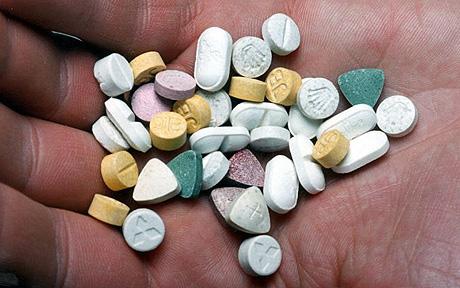
While it is known as a popular (but illegal) club drug, MDMA – which also goes by the street name, Ecstasy – is being clinically studied for use in the treatment of Post-Traumatic Stress Disorder (PTSD).

PTSD is a severe anxiety disorder that can develop after experiencing a psychologically traumatic event such as war, rape, childhood abuse, or a serious accident. Treatment of this condition can take a number of years, yet at least one-third of PTSD sufferers will never fully recover.

MDMA has the ability to stimulate a sense of happiness, promote closeness to others, and reduce anxiety. Researchers concerned with the underlying psychology of PTSD are discovering that MDMA, when taken by individuals who have the condition, demonstrate therapeutic benefits. MDMA appears to assist with the process of coming to terms with personal experiences, and controlling intrusive and traumatic memories.

Professor David Nutt, a psychiatrist and former drug advisor for the UK government, is a leading researcher on the therapeutic effects of MDMA. His view is that while MDMA has been made illegal in order to prevent youth from drug abuse, its therapeutic value has been overlooked. It must be added, however, that this is the same David Nutt who was asked to resign after he claimed that ecstasy and LSD were less dangerous than alcohol.

In a recent interview with BBC Radio 4, Professor Nutt discusses why the drug is being studied in clinical research and how it could be useful for treating the condition of PTSD. Click here to listen to a short segment of this interview.

Professor Nutt recently undertook a research study to test the benefits of MDMA for individuals experiencing PTSD, of which the results were promising. In this study, 12 treatment group subjects were given MDMA pills, while 8 control group subjects were given placebo pills. Both treatments were taken alongside therapy sessions. Results showed that ten subjects in the treatment group showed an improvement after two therapy sessions.

Even here in Vancouver, Psychologist Andrew Feldmar, Ph.D., is about to begin a similar study alongside Health Canada. Check out the video below where he talks about the importance of MDMA-assisted psychotherapy research for PTSD.

YouTube Preview Image
All in all, the use of illegal drugs as medicine is not a new occurrence. For example, medical marijuana has long been recommended as a treatment for pain, and is increasingly used in mainstream medicine. Ingredients from magic mushrooms have demonstrated calming effects on patients entering a late stage of cancer. There are other examples of the use of illegal drugs to address medical conditions. Will MDMA follow the same path?


Blog post submitted by Jackie Romeyn.

MIT researchers announce a possible solution to oil spills

Picture courtesy of wikipedia

In 2010, a massive oil spill devastated the Gulf of Mexico, leaving much of its coast in a seemingly hopeless environmental disaster. As a result, some important questions were raised, such as what the most effective method of removing oil from the water would be. The world really demonstrated its lack of preparedness in light of this incident, as the solutions involved extremely inefficient measures, such as setting fire to the oil on the surface of the ocean. However, this incident sparked a significant interest in researching new methods which separate oil and water as a precaution against future spills.

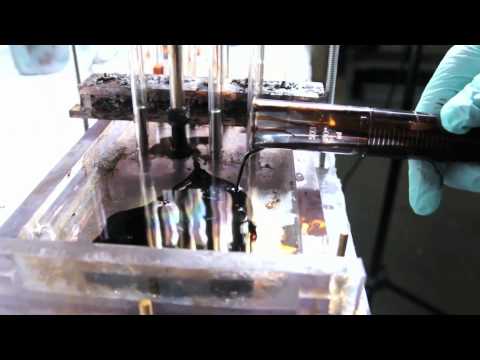
Recently, one of the most intriguing ideas driving research has been the use of magnetic nanoparticles with an affinity for oil. As a result, researchers at MIT have recently announced their progress on a ferrous nanoparticle which first binds to oil in water and can then be drawn out of the water by way of a magnet, taking the oil out with it. Furthermore, this technique is expected to be a vast improvement on the efficiency of previous techniques used to recover oil, because once the oil has been separated from the water, the nanoparticles can be recovered, which leaves the uncontaminated oil behind for sale or usage. Listen to MIT researchers Shahriar Khushrushahi and Markus Zahn explain their project here: YouTube Preview Image

The concept is there, but the question of how practical such a method will be when dealing with vast bodies of water is still uncertain. Also, the nanoparticles themselves could be seen as an environmental contaminant, so recovery of the oil and then recollection of the particles should probably be done in a controlled manner. Hopefully some resolutions to all the issues surrounding this idea come to fruition soon, because even British Columbia could stand to benefit from the security this method of cleanup might offer, in light of the recently proposed pipeline.

Cameron Tough


Triclosan: Harmful Chemical Found in Soap

If you take a look at the bottle of soap in your bathroom, triclosan might just be listed as one of the ingredients.  Recent studies have shown that the chemical triclosan may impair muscle function. It is also commonly found in supplies that we use on a daily basis, such as deodorants and toothpastes. First developed in the 1960s, triclosan was used in hospitals to prevent bacterial infections. It was then included into other products such as kitchen utensils, trash bags and bedding once manufacturers were certain that triclosan was able to kill harmful bacteria.

Researchers from the University of California did a study and found that triclosan does impair muscle function in both humans and animals. In their study, they isolated human muscle cells from the heart and skeletal muscles and exposed them to triclosan. They also tested how mice and fathead minnows would react to triclosan. Results showed that in the isolated human muscle cells, triclosan interrupted two proteins, important for proper muscle functioning from communicating. In the mice, the function of the heart muscle was reduced by 25% and there was also an 18% reduction in grip strength. The fathead minnows exposed to triclosan were found to be worse swimmers when compared to fathead minnows that weren’t exposed to triclosan. These results definitely show that exposure to triclosan can impair muscle function, especially cardiac function. According to the U.S. Food and Drug Administration, triclosan is not known to be any more hazardous than just washing with non-antibacterial soap, but further studies will be done and reviewed to the public in winter 2012.

There are certainly strong evidences provided to show how we should be concerned about triclosan being used in products. Experts are concerned that a resistant bacteria strain will develop with prolong use of this chemical. Although triclosan isn’t regulated as a drug, it should still be a concern to human health and the environment. Hospitals should continue using antibacterial soap that contains triclosan because it is important in preventing the spread of bacteria from one patient to another. But antibacterial soap that contains triclosan really isn’t needed for household hang washing. According to Dr. Peter N. Wenger, the most effective way of getting rid of bacteria on your hands is to wash thoroughly, making sure to also wash between the fingers. So try to buy triclosan free soap and remember to wash your hands thoroughly to prevent the spread of bacteria!

References:
Pakalert Press
– Smithsonian
–  Live Science

Post Submitted by Mandy Choi

Do “Smart Drugs” Make Us Smarter?

Picture from www.iamrogue.com/limitless

Have you seen the movie “Limitless”? Eddie Morra is an unsuccessful writer whose life is transformed by a top-secret “smart drug” NZT. It allows him to use 100% of his brain and he can remember everything he has ever read, seen or heard.

Do you know that the made-up plot in the movie, in fact, happens in real life? A number of people, including students in universities, keep using “smart drugs”, like Adderall, Ritalin, and modafinil, and they say that it has given them the boost to work non-stop for 10 hours a day and made them more concentrated and more intelligent. Originally, Adderall and Ritalin are prescribed for patients with attention deficit disorder (ADD) or attention deficit hyperactivity disorder (ADHD); modafinil is generally taken as the treatment of narcolepsy. However, some university students are taking the drugs, because they hope to be smarter in order to get higher grades.

NBC News reported this kind of issues on TODAY: “I figured if everyone else is doing it, why shouldn’t I get the advantage?”

A surprising number of students take the drugs without thinking of the risks of the drugs. An American study, cited in the journal Nature, estimated that up to 25% of students at some campuses had taken neuroenhancing drugs in the past year. They think they are doing something that their body can tolerate, but they do not realize these drugs are highly addictive

Picture from bioethics.net

substances. For example, a freshman honor student named Aly said that she took only one week to become dependent on Adderall. Besides addiction, there are numerous side effects. Ritalin, as an example, can cause nervous system side effects (such as, dizziness, headache, nervousness, trouble sleeping), gastrointestinal side effects (such as, nausea, vomiting, and abdominal pain), and cardiovascular side effects (such as, changes in blood pressure and pulse rate).


Continue the story in “Limitless” mentioned at the beginning, Eddie Morra suddenly experiences financial and social success, but soon realizes that he has to keep taking the drug, which has lethal and lasting side effects, in order to keep the ability. Does he really become smarter? The same questions apply to these drugs like Adederall. Do people who take “smart drugs” really gain IQ? Dr. Greely published her paper about Cognitive-Enhancing Drugs on Nature, and stated that these drug typically improve concentration and a few areas of cognitive performance, but only while the drug is still in the blood. Therefore, it may be more accurately to refer to these drugs as productivity enhancers instead of intelligence enhancers. Seriously, an overdose of Ritalin can be fatal. Moreover, these drugs are recently developed, thus lacking long-term observations of future physiological effects.


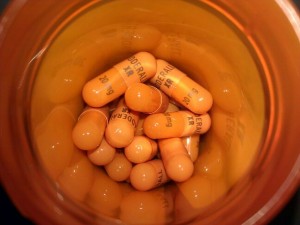
Adderall XR 20mg capsules by Patrick Mallahan III

At the end, I wish people would stop using these “smart drug”, because they do not make people actually become more intelligent, but can cause addiction and ruin people’s lives.


A Step Towards Finding Stuart Little?

Unfortunately, scientists have not discovered a rodent that can talk and dresses up as a human. However, they have discovered that rats can experience humanistic emotions and exhibit human characteristics.

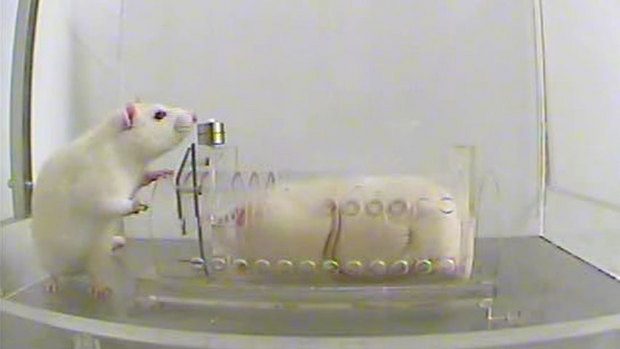
The test rat in the process of freeing the imprisoned rat.
Source: http://www.cbc.ca/news/offbeat/story/2011/12/09/rats-empathy-chicago.html

Inbal Ben-Ami Bartal et al. at the University of Chicago have found that rats have the ability to show empathy towards other rats. The research team’s experiment was designed to test whether a rat would open a cage to free another comrade inside. The results showed that the tested rat would free their distressed companion when it hears its calls, regardless of rewards. In order to further test this empathetic behaviour, the researchers performed trials where they placed chocolate in another container nearby to see if the test rat will head to the food instead of the imprisoned rodent. Surprisingly, instead of the anticipated results, the test rat chose to free the restrained rat. Furthermore, instead of hoarding the chocolate, the test rat went as far as to share it with the other.  As such, not only have rats shown empathy in this experiment, they also appear to retain a pro-social behavior towards other rats which is reminiscent of behavior recognized in our culture.

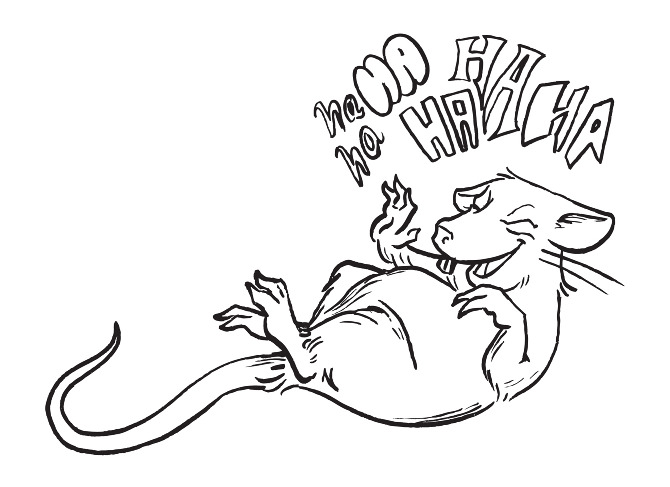
Source: http://rosieheffernan.com/MISC-1

Another finding that exhibits human characteristics found in rats was conducted by Jaak Panksepp, a neuroscientist at Washington State University. He discovered that when tickled, rats emit chirps that are akin to laughter heard through Bat Detectors, a device that can bring high frequencies to our auditory range. These 50 kHz chirps were found to be related to positive affective state in rats (Burgdorf 2011) and can also be heard when the rodents play and chase each other.

YouTube Preview Image

So why should people care whether rats can show empathy or laugh when tickled? These discoveries allow scientists to understand how the brain of specific animal works and its subsequent effect on behavior. Although these studies are focused on rats, the same experimental research may be applicable to other animals as well. This may in turn resolve some of the mysteries of the animal kingdom, from the process that fuels their keen instincts to the impulse that drives certain behaviours.

If further discoveries are made, perhaps we may one day see a genuine Stuart Little that can communicate with us. On the other hand, we might find a duo Pinky and the Brain  and stop them from taking over the world.

Blog post submitted by: Tiffany Ho

References:

Burgdorf, Jeffrey, Jaak Panksepp, and Joseph R. Moskal. “Frequency-Modulated 50 kHz Ultrasonic Vocalizations: A Tool for Uncovering the Molecular Substrates of Positive Affect.” Neuroscience and biobehavioral reviews 35.9 (2011): 1831-6. Print.


Pain Relieving Naked Mole-rats

Who cares about naked mole-rats? Just like the name, the appearance of these creatures are neither charming nor appealing. Most people have known this type of rodent as hideous creatures thats not really special.

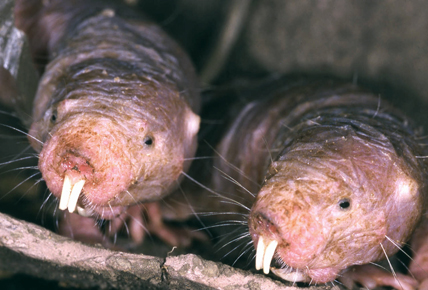
Naked mole-rats Image from Science Daily

Who cares about these rats and why would they be? Well, Thomas Park of University of Illinois at Chicago (UIC) does and maybe a lot more people should start giving more attention and interest in these rats. A new study explores a way to use a characteristics of these rodents to help pain relief in humans or other mammals.


The naked mole-rats carry a very unique set of characteristics. They are the only mammals that are cold-blooded and they have very slow metabolism. What’s really interesting is that they can easily tolerate and roam in places with toxic levels of carbon dioxide or other mammals. Their natural habitats are underground tunnels and burrows where a lot of these rats are tightly packed together and as a result, the carbon dioxide levels quickly builds up, reaching a point where no other mammals, especially humans can tolerate. These creatures, however, could care less, since they are resistant to hypoxia, meaning that they can survive a condition with very little oxygen reaching brain and tissue cells. They can even stay in a condition where there is no oxygen for more than 30 minutes. This is an intriguing fact, considering that they are mammals just like humans.

The research is being done to discover a way to use this characteristics to relieve pain in human. Basically in humans and other most types of mammals, pain is  derived from acidification of the injured tissues and since these mole-rats do not feel pain from acidic conditions produced by high carbon dioxide levels, they can be the source of alleviating pain for humans as well. In the experiment Park conducted, where the naked mole-rats were put in cages where some parts of the cages were highly acidic, the rats showed no sign of discomfort in the parts where rats, mice and other species of mole-rats quickly ran off from. No activity of the nerve fibres stimulating the physical and behavioural activity to protect the organism from brain or tissue damage was found.

Not only do these mole-rats potentially hold the key to pain relief, they might also hold clues to preventing brain damage in humans while very little oxygen is carried to the brain, such as during stroke or heart attack.  Although there has not been a great way to finding such methods from these naked mole-rats, innovative medicinal improvements would be created to alleviate the pain of the injured and preventing major brain damage during heart attack.

YouTube Preview Image

Mokhan Kim