Tag Archives: Marine Pollution

Toxic Algae Blooms

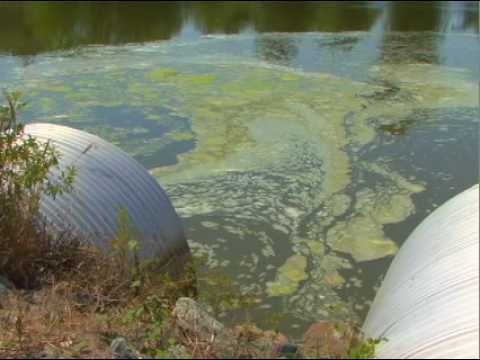
Water, which is a key necessity, is facing a global threat as environmental problems are causing estuaries and freshwater aquatic systems to be full of harmful substances. Not only does pollution of water by human and chemical waste itself contaminate the water sources, but also encourages the growth of algal blooms. Not all algal blooms are harmful, but some blooms containing cyanobacteria, like blue-green algae are extremely harmful, and can release many harmful chemicals such as hepatotoxins, dermatoxins, and neurotoxins. Limiting nutrients in water sources are causing these algae to flourish and they are currently destroying much useable and drinkable water for humans on a global scale. Recently this summer, toxic algal blooms were found in Loughbrickland Lake in County Down and Moor Lough in County Tyrone in Northern Ireland. Although they were not used for drinking water for the locals, they were popular for fishing and leisure activities, which can be devastating since these lethal toxins could be ingested by fish, and then consumed by those who caught them. Not only them but also people could have easily drank water while engaging in leisure activities.

Blue-green algal bloom
Image from Wikipedia

Scientists from University of Ulster are working to develop clean technology to clear the pollutants by titanium dioxide, which is a common chemical found in sunscreen. When applied to skin and under light intensity of sunlight, it protects the skin by refracting the light and efficiently transforming the UV light into heat. When under high intensity of UV light, however, “it turns into a very strong catalyst, capable of destroying pollutants in the water,” says Tony Byrne, a leading scientist of the research team. By doing so, Tony and his team are promoting clean technology, using little energy for good results, allowing this excited titanium dioxide to efficiently clean the water.

Using titanium dioxide and UV light to destroy the pollutants in the water seemed to be a very good idea. Many water sources including metro Vancouver’s tap water, which the majority of the people drink, is also disinfected with UV light before being transferred to each household; therefore, using this new technology and method sounds like a great way to prevent any pollutant and algae-bloom matters.
YouTube Preview Image

Mokhan Kim


The Great Pacific Garbage Patch-a future vacation destination?

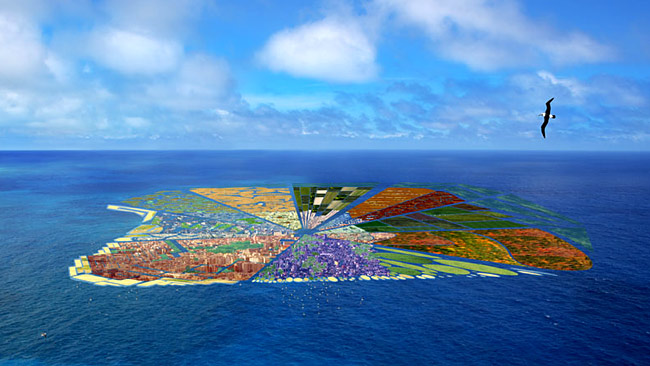
When you picture yourself on vacation, do you think of palm trees, sandy beaches, and clear blue waters? Ramon Knoester, an architect and designer from Holland has proposed an idea that may change future vacation destinations. He has plans to create an island made entirely from plastic waste collected from the oceans. He calls his creation “Recycled Island” and it would have the ability to sustain agriculture and a community. The idea is a creative solution to clean up the great garbage patch in the Northern Pacific Subtropical gyre. Would you vacation on a giant island made from recycled plastic?

Why does the patch need to be cleaned up?

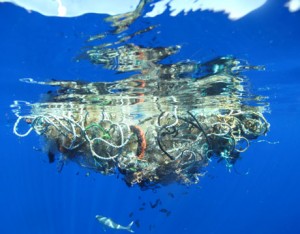
The existence of an oceanic garbage patch that has been increasing tenfold every decade since the 1950s has some consequences that are of immediate concern. For example, plastic pollution has direct damage on marine organisms and seabirds. These animals are dying from ingesting the material, or suffocating from entanglement. Over 100,000 marine mammals and 1 million seabirds die from plastic each year. Eliminating plastic debris is of great importance and transforming the great patch into a self-sustaining island could be a possible solution.

Can this dream become reality?

“Recycled Island” may seem like a far-fetched idea, but there is a chance that it will be created.   After presenting his vision at the Fifth International Marine Debris Conference in Hawaii,  Ramon Knoester was given a grant from the Netherlands Architecture Fund to design a prototype for the 10,000 square kilometer habitat. He admits that it is a daunting task that will take years to complete,  but it is possible and something needs to be done about plastic waste.  This island will not only reduce marine pollution, but it will provide a welcoming and sustainable environment for climate refugees. Who knows, maybe you will be vacationing to “Recycled Island” instead of Hawaii sometime in the future.

References:

  • Berton, Justin. “Continent-size toxic stew of plastic trash fouling swath of Pacific Ocean.” San Francisco Chronicle 110 (2007): 8
  • Dore, J., et al. “Ecosystem changes in the North Pacific subtropical gyre attributed to the 1991-92 El Nino.” Nature 373 (1995): 230-231.