Tag Archives: research

Public vs. Private Schools in University Preparation

The adjustment to first-year university can be overwhelming for any high school graduates. Apprehension runs high while students question what this new chapter of their life will bring… Will you fit in and make new friends? Will you find the course load too academically challenging? It is important that students be well prepared for the transition from high school to university, but are they aware that the high school sector they attended may have already played a large role in this preparation?

Photo from: http://www.telegraph.co.uk/education/universityeducation/9204603/Fines-for-universities-slammed-by-admissions-don-Professor-Steven-Schwartz.html

Professor George Bluman, a mathematics professor at the University of British Columbia, has performed research on this topic. In his research paper, Bluman uses a two-level statistical model to determine the relationship between student performance in first-year physics courses and student variables such as high-school grades and gender. He then determines how this relationship is affected by high-school factors such as school type and location.

Check out the video below where Professor Bluman discusses the results of his study, that Vancouver public school students outperform private school students in first-year university.

YouTube Preview Image


Of course it is important to note that there are many academic differences between high school and university.

Firstly, high school students attend 7-8 hours worth of classes each weekday, of which attendance is mandatory. In university, however, the amount of time spent in class differs depending on the day, and whether the students attend class is their own prerogative. In addition, in high school, teachers are proactive in taking on the responsibility to ensure all students meet deadlines, complete homework assignments, and fully understand concepts. In university, however, if students struggle with course material, they must take personal initiative to refer to textbooks or attend office hours for additional help.

Ultimately, there is a larger sense of personal freedom in university when compared to high school. Students must possess a mature attitude toward their new-found independence. University can take a toll on students if they are inadequately prepared for this freedom.

If public school graduates are more academically successful in university than their private school counterparts, as Bluman’s research suggests, then it is assumed that public schools do a better job of preparing their students for University life.

Check out the podcast below where the pros and cons of public and private schools are outlined, and Professor Bluman’s view on them is expressed.

Audio clip: Adobe Flash Player (version 9 or above) is required to play this audio clip. Download the latest version here. You also need to have JavaScript enabled in your browser.

Professor George Bluman
Photo from: http://www.straight.com/article-215506/getting-students-snuff

After all, it is a personal choice as to whether to attend public or private schools, and there are many factors that must be considered in this decision-making process. However, the take-home message from this study is that contrary to the BC Fraser Institute Report and popular beliefs, students who have attended public schools can academically perform as well, if not better, than their private school counterparts.

Blog submitted by: Jackie Romeyn, Hayoung Nam, Mervin Wong, and Lydia Fan

UBC Researcher Develops a Game Changing Drug

Image courtesy of:
http://www.orkin.com/flies/sand-flies/

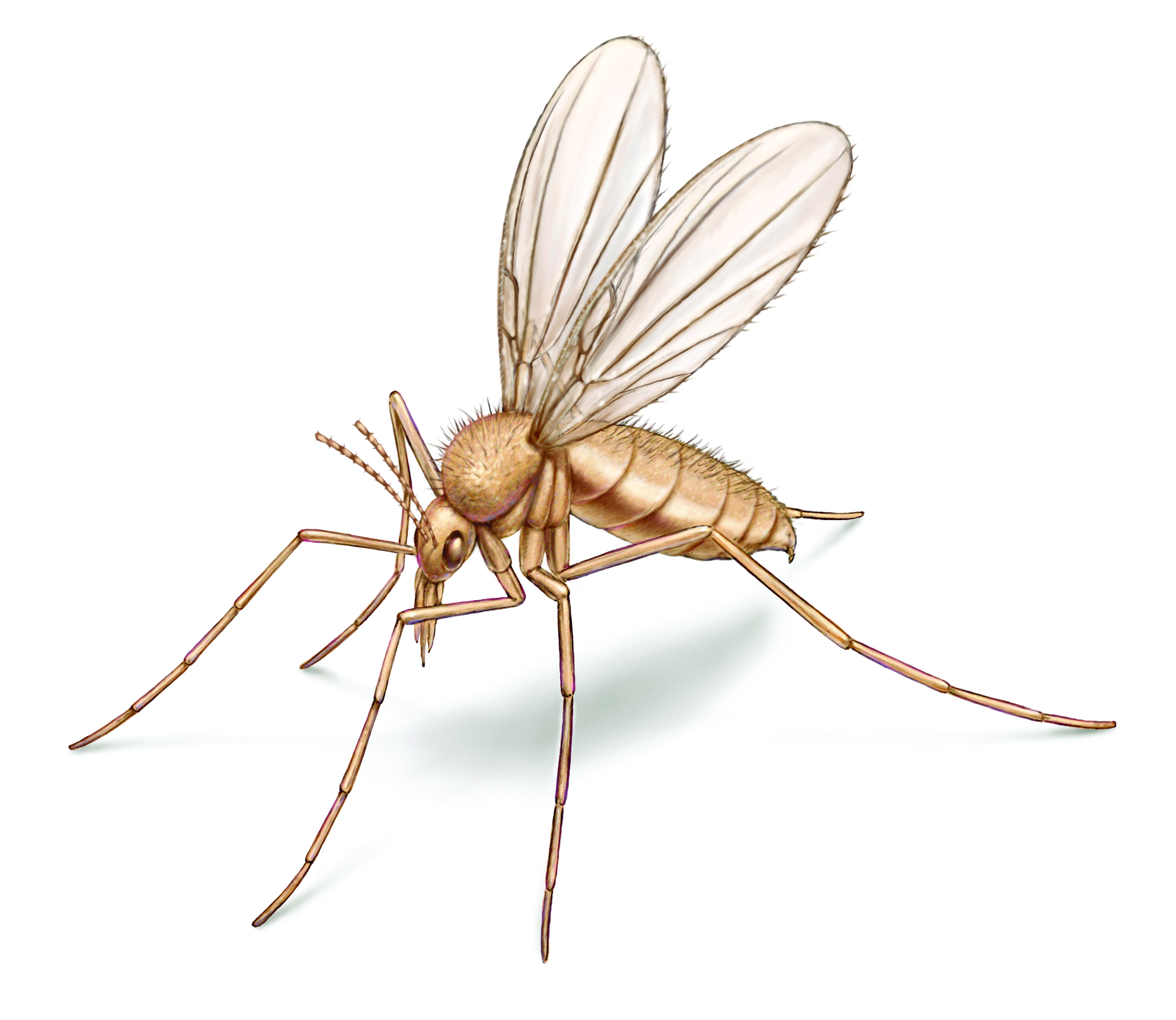
Dr. Kishor Wasan is an independent researcher currently working at the University of British Columbia. His research team at the UBC Faculty of Pharmaceutical Sciences is dedicated to developing a treatment for Visceral Leishmaniasis (VL) VL is a parasitic disease spread by infected sand flies that targets the liver, spleen, and bone marrow and can lead to symptoms such as fever, weight loss and fatigue. Once infected with VL, the individual is unable to fight off the disease and will ultimately die if left untreated.

People living in developing nations and third world countries are at high risk for this disease, and an estimated 60,000 deaths occur annually due to VL in these areas. It is common in areas with high population density and climates that frequently experience droughts and famines. Many North Americans are unfamiliar with VL, even though it is a lot more relevant to us than we may realise. India, Brasil, and Africa have become popular sites for tourists which has resulted in an increase in North American exposure to this disease. Therefore, the number of VL cases are rising because people that visit these countries are contracting the parasite.

Image courtesy of:
http://bit.ly/Y82rCn

Unfortunately, there are only a few treatment options available that eliminate the deadly effects of VL. Currently, the most effective treatment being used is an antibiotic called Amphotericin B, or AmB. The version of AmB being used for the initial treatment is Liposomal AmB, and it is composed of AmB along with several other chemical compounds that form a lipid vesicle around the molecule.  Liposomal AmB has proven to be less toxic to the patient which allows for increased dosages. However, Liposomal AmB must be given by IV to the patient, requiring the need for a sterile hospital setting and trained personnel. As a result, the high cost and complex methods of administering the drug makes it unattainable for most infected patients in developing countries. People are dying every day because they don’t have access to medication.

Dr. Kishor Wasan and his team of researchers set out on a study to solve the barriers caused by Liposomal AmB. They aimed to develop an oral version of AmB that would be stable at tropical climate temperatures (30-43°C) while effectively treating VL. They developed and tested four new oral AmB drugs on mice subjects. Out of these four drugs, they discovered that one in particular was quite successful in treating the disease. This new oral AmB, which is known as iCo-010,  showed results of VL inhibition as high as 99%.  iCo-010 is the first oral AmB that has successfully shown to have such an impact on eradicating VL from an infected host.

As advancements in developing an effective drug to treat VL progress in the Wasan lab, the future of this disease seems brighter. Dr. Wasan refers to his development of the oral form of AmB as a “game changer” in the playing field of this infectious disease. The success of iCo-010 functioning as a stable and effective drug in treating VL may overcome the limitations set by the current treatment options. Combined with prevention techniques and Dr. Wasan’s new oral treatment, thousands of lives can be saved and the eradication of Visceral Leishmaniasis has become a possibility in the near future.

A descriptive look on biological processes behind the contraction of Visceral Leishmaniasis:

A discussion with Dr. Kishor Wasan about Visceral Leishmaniasis:

Audio clip: Adobe Flash Player (version 9 or above) is required to play this audio clip. Download the latest version here. You also need to have JavaScript enabled in your browser.

By: Nadia Kari, Mokhan Kim, Deborah Lo & Alexandra Warren

Discovery of new materials resistant to bacterial attachment

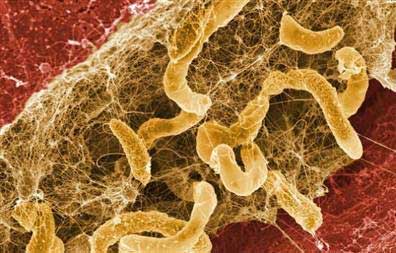
A new class of polymers resistant to bacterial attachment discovered by a team of scientists at The University of Nottingham could lead to reduction in medical device failures and hospital infections.

Bacteria form communities, called biofilms, on many commonly used medical devices such as urinary and venous catheters. Because biofilms are formed by a very large number of bacteria, they are resistant to bodies’ immune defenses and antibiotics. This can lead to systemic infections or device failures (devices like catheters, heart valves and prosthetic joints).

Researchers from the University of Nottingham have found that when the novel material, made of new class of polymers, was applied to the surface of medical device, it repelled bacteria.

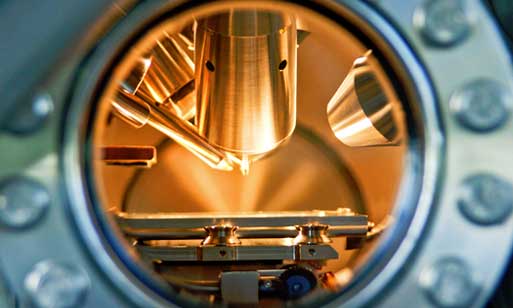
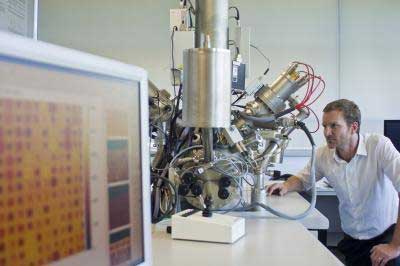
The study was lead by Dr. Morgan Alexander and Dr. Martyn Davies in the School of Pharmacy together with Dr. Paul Williams in the School of Molecular Medical Sciences.  The researchers believed there were new materials that could resist bacteria, but they had to find them. They needed to screen thousands of different chemistries and test their reaction to bacteria. This was not possible using conventional methods and so they were helped by experts from the Massachusetts Institute of Technology (MIT), who developed a technology to screen hundreds of material simultaneously, looking for new structure-property relationship. This approach led to identification of novel materials which were resistant to bacterial attachment and to biofilm formation.

The new materials work by preventing infection at the earliest possible stage, when the bacteria first attempt to attach themselves to the device. This means that biofilm formation is stopped. In the laboratory setting, scientists were able to reduce the numbers of bacteria by up to 96.7% when compared with a silver-containing catheter that is available commercially. Moreover, the polymers were effective at resisting bacterial attachment in a mouse implant infection model.

Infections caused by biofilms on the surface of implants are resistant to body’s natural defenses and they often cannot be treated with conventional antibiotics. By using the new polymers, bacterial attachment would be inhibited, and the body’s own immune system would be able kill the bacteria before they would have time to generate biofilms.

To hear about this exciting discovery from the scientists themselves, watch the video below:

YouTube Preview Image
Source: http://bit.ly/W4vkJ8

The research has been published in August 2012 in the journal Nature Biotechnology.

Submitted by: Nesim Lichy

Vampire Bats Inspiring New Treatments

Close up shot of a Vampire Bat
Source

As Halloween happened just last week, I wanted to write about one last spooky creature, vampire bats! While some vampire bats can cause disturbance to humans by attacking their livestock, researchers have discovered that vampire bats may actually be able to provide something useful in return.

Stroke: Journal of the American Heart Association published an article written by Liberatore et al.. The article discusses an enzyme found in the vampire bat’s saliva which can help stroke patients. According to research, when a vampire bat feeds, their saliva contains an enzyme called desmoteplase and other anticoagulants that stops blood from clotting. This allows the blood to flow continuously so the bat can feed easily and quickly.

How can this help us?

What happens during an Isochemic Stroke
Source

When a person experiences a stroke, it is because blood flow to a part of the brain is stopped. If the brain does not receive any blood, it cannot get any oxygen which will then lead to brain cell damage. The specific type of strokes that researchers are hoping to utilize desmoteplase for are known as ischemic strokes. Desmoteplase  can be used to dissolve the blood clot at the blocked artery allowing blood flow to resume.

Currently, the approved FDA-approved drug for treating blood clots contains tissue plasminogen activator (tPA).  However, tPA can cause injury to the brain by damaging or killing nerve cells or by restricting blood flow. After countless experiments by Liberatore and Reddrop, results show that desmoteplase does not promote these injuries.

Which developmental stage is desmoteplase in?

Desmoteplase is being tested as two trials, DIAS-3 and DIAS-4 in phase III. They are determining if desmoteplase is a safe treatment for patients with acute ischaemic strokes by issuing the drug within 3-9 hours after experiencing stroke symptoms.  So far, 400 participants per trial are being tested with doses of 90 μg/kg. Final collection results are expected to be taken in December 2012 for DIAS-3 and December 2013 for DIAS-4.  More information can be read upon in these two links:

Hopefully, the results from these two trials will advance the field of stroke treatment and verify desmoteplase as safe for usage in the near future. Lastly, this is a video that briefly talks about the process of modifying desmoteplase to the updated version of the drug.

YouTube Preview Image

Note: The last portion of the clip talks about having the results by 2011, however this has been changed as seen by the data from the two links above.

Post by: Tiffany Ho

Bikram Yoga-The discomfort may actually be worth it!

If you have ever experienced Bikram yoga, you will be familiar with the often uncomfortable practice. An instructor will yell at you as you attempt to do complex poses in a crowded and hot room full of sweaty people. You probably hate the class as your’re doing it, but once you leave, you feel strong, light, and cleansed. Scientific studies have ben able to show the health benefits of this practice so for those of you that have been avoiding it, it may be a good idea to give it a try

YouTube Preview Image

Bikram yoga was created by the Indian yoga guru, Bikram Choudhury . The Calcutta born yogi has been practicing since the age of four, and has earned the “All-India National Yoga Champion” title.  In 1972, Choudhury opened his first yoga studio in the United States and taught  90-minute classes that consisted of 26 poses in a 105 degrees Celsius room. It is not always an enjoyable practice and vomiting as well as dehydration is common.  However, people keep returning and the benefits of the practice may exceed the negative aspects.

A study was conducted by a research team from the  Boise State University in Idaho to examine the health effects after an 8-week Bikram yoga program.  The study consisted of 51 participants between the ages of 20-54 years. They were required to complete 20 classes over 8 weeks and the researchers studied their changes in mindfulness, perceived stress, and physical fitness.

According to Dr. Jon Kabat-Zinn, author of Full Catastrophe Living, mindfulness is the “attention to and awareness of mind and body, accepting moment-to-moment experiences without judgment, and being present in a given moment”.  Yoga is a mind-based stressed reduction program so increasing mindfulness will decrease stress which is the cause of many illnesses.  In order to determine mindfulness, participants completed the Five Facet Mindfulness Questionnaire (FFMQ). This questionnaire consists of 39 questions that, when answered, can be tallied to determine the level of mindfulness. A higher score means that the participant is at a higher level of mindfulness. Stress levels were measured using the Perceived Stress Scale (PSS). Physical fitness was determined by observing submaximal oxygen consumption, measuring body mass, conducting single-leg balance tests, and using heart rate monitors.  Flexibility was also determined using the Accuflex 1 Sit-and-Reach box test and the Accuflex II Body Rotation Flexibility test.

The researchers discovered that practicing Bikram yoga for 8-weeks resulted in increased mindfulness, decreased level of perceived stress, and it had no effect on resting heart rate.  The program also improved submaximal oxygen consumption, flexibility, and balance. Many studios offer free trial classes for first-time students to give it a try; the health benefits are worth it.

Resources:


Gang Robbery by Terrestrial Hermit Crabs

Shell shortage of terrestrial hermit crabs leads to vicious social situations, whereby hermit crabs will gang up to take over shells inhabited by other hermit crabs. This causes some crabs to lose their shell, and often these crabs must resort to an unpractical shell which does not give sufficient protection.

Hermit Crab with an unusual and unpractical shell
Image from http://www.divematrix.com/showthread.php?9520-hehehehe-Hermit-Crab-movin-on-up!

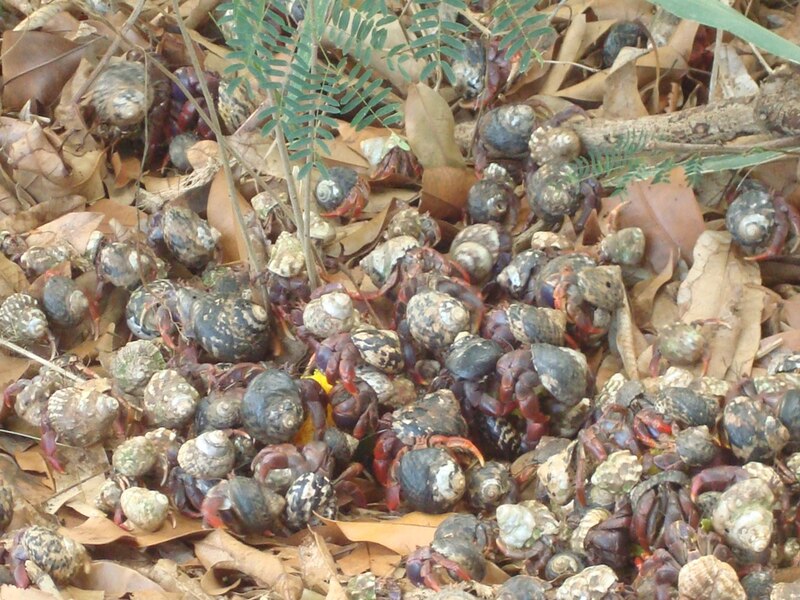
Hermit crabs live in shells that were abandoned by other creatures such as snails. Unfortunately for terrestrial hermit crabs, abandoned shells are extremely rare in their habitat. This creates an issue for the terrestrial hermit crabs as they need to continue to find new shells to inhabit as they grow. Terrestrial hermit crabs can hollow out shells that they inhabit so that there is more room to grow, more room for eggs, and so that the shell is light to carry around. However, hollowing out shells takes time and energy for hermit crabs, and so the crabs would prefer to inhabit a shell which has already been hollowed out. As well, only the smallest of hermit crabs can fit into a shell which has not previously been hollowed out.

Mark Laidre, from the University of California, Berkeley, explains an unusual social routine of terrestrial hermit crabs. Dozens of terrestrial hermit crabs will gather and form a line when a group of three or more hermit crabs are initially together. This line is ordered from smallest to largest, with each crab holding onto the crab with the larger shell ahead of them in line. Crabs will try to pull other crabs out of their shells, and if successful all crabs will move up in line at the same time to inhabit a larger shell. Usually, only the smallest shell remains for the unlucky terrestrial hermit crab that was pulled out of its shell. This shell is not large enough for the crab to fully protect itself.

Terrestrial hermit crabs begin to gather and ‘fight’:YouTube Preview Image

This social behaviour is significant as it illustrates the evolution of hermit crabs in order to survive in their specific habitat. There is a shortage of shells for terrestrial hermit crabs, but not so much for marine hermit crabs. Because terrestrial hermit crabs need to ‘fight’ for appropriate shells throughout their life, they utilize this social behaviour to make it easier for smaller crabs to take over larger shells. Conversely, marine hermit crabs do not demonstrate this behaviour, since finding new shells is not a large issue.

To us humans, this social behaviour may seem ridiculous. In our terms, the terrestrial crabs’ routine is almost the equivalent of a gang of humans kicking someone out of a renovated mansion into the smallest and most dangerous of homes. But, for the terrestrial hermit crab it is a way of life. As of yet, there are no hermit crab laws to stop this from happening!

Submitted by: Angela Johnston

Turning tables: a male birth control pill on the horizon.

This is a newsworthy topic I came across earlier this year and thought would be interesting to share…

For years the birth control burden has been placed mainly on women. Female protection for unwanted pregnancy is available in the form of patches, pills, rings, coils, implanted devices… the list goes on! Male contraception, however, is limited and consists of finicky condoms or the permanency of a vasectomy, two methods which have been around since the 1950s.

Despite strong demand, the successful creation of a male contraceptive pill has yet to be realized. While female contraceptives can affect hormones such as estrogen, drug companies have avoided tampering with the male hormone, testosterone, since it can result in a number of unwanted side effects including increased risk of prostate cancer, or breast enlargement (never a good look!).

Recently, a group of researchers led by Martin Matzuk at Baylor College of Medicine and James Bradner at Dana-Farber Cancer Institute, accidentally came across a drug called JQ1 that can inhibit a gene necessary for sperm production, causing testicles to “forget” how to create sperm. This drug has yet to be tested on humans, but showed positive results on mice, with those tested returning to complete fertility once the drug use was fully stopped. Qinglei Li, a member of the research team, states, “it stopped the sperm production very dramatically. More good news is that there appear to be no side effects whatsoever. Once the JQ1 was no longer given to the mice, they were back to their normal reproduction rates, and it did not affect mating behaviour or the health of the offspring.”

According to a study by the Centers for Disease Control and Prevention, in 2006 approximately 49 percent of births in the U.S. were unplanned, despite the birth control options available for women. The introduction of a male birth control pill to the market could potentially lower this rate. Dr. Matzuk and his research team intend to continue their testing and adjust the structure of the drug in order to minimize the chance of any undesirable side effects. Dr. Matzuk believes that the drug will hopefully be available for human use within the next decade.

Although it is an exciting idea for women and men to be able to share the birth control responsibility, the question to consider is whether men would be willing to take such a pill if it were available to them?

Check out this interview with gynaecologist Dr. Sujatha Reddy on how the male birth control pill would work.

YouTube Preview Image


Posted by Jackie Romeyn.


Mission Impossible: Red Bull Stratos

Felix Baumgartner moments before attempting his record breaking leap
(Courtesy of Extreme Tech)

Imagine staring down from the heavens and seeing that it could just be moments away. We can only speculate what’s going through the mind of Felix Baumgartner before his death-defying leap. Red Bull created this mission to “Advance scientific discoveries in aerospace for the benefit of mankind.” By doing so, Baumgartner and Red Bull broke three major world records; height reached in a balloon, highest skydive,  and being the first person to travel faster than the speed of sound without a vehicle. Furthermore, years of planning went into this event as some of the most brilliant minds on the planet collaborated to examine the scientific principles involved. Special suits, shuttles, and balloons were to designed to account for the extremities to be encountered.

Felix Baumgartner mid-flight
(Courtesy of Engadget)

“I wanna go fast,” is a quote uttered by almost every child, however Felix Baumgartner got to live this dream as he became the first person to break the sound barrier in free fall. The speed of sound is 1,255 km/h and Baumgartner’s top speed was 1,342 km/h. To put this in perspective, the majority of jets used in the army don’t reach this speed.

Capsule used in the space jump
(Courtesy of Wired)

Nevertheless, breaking the speed of sound is a great accomplishment, but the pressure that high in the atmosphere may have been the biggest threat to Baumgartner’s life. The atmosphere is broken down into multiple layers where the pressure decreases as you go higher. Not only that, the temperature also decreases decreases dramatically with height. Baumgartner was protected from changes in pressure and temperature by his specially designed suit and capsule. The suit and capsule were acclimatized to not allow a change in pressure. If the air pressure in space was equal to the pressure in the suit, all of the liquids in Baumgartner’s body would turn to gas killing him instantly.

A comparison of the balloon used vs the Statue of Liberty
(Courtesy of Geeky-Gadgets)

Now, how is it possible to get a balloon over 120,000 feet in the air? Well, it actually works the same way as when you release a balloon and it flies into the air. However, being 55 stories long, this helium balloon is much larger than anything you can buy at the dollar store.  Helium is able to rise in the air because of a principle called density. As a rule, denser objects fall and less dense objects rise. Since helium is much less dense than the surrounding air it rises. The amount of helium was specifically chosen as that amount will cause the capsule to float around 120, 000 feet.

Below is a video of the event

YouTube Preview Image


With all of this new information the only question is, what’s left. With humans constantly pushing change and technological advancement, there is no limit to what people can accomplish. This story should also serve as an inspiration to others as nothing is impossible.

Written by Arman Gill


On thin ice.

Climate change has been occurring at a global level, and as the temperatures rise, so does the threat on the survival of baby seal pups in the Arctic. The Arctic, which is home to Harp seals (scientifically known as Pagophilus groenlandicus), has lost half of its ice volume in the past 8 years. As these polar ice caps are shrinking, the baby seals dependant on this ice are put at risk.

Baby Seals in the Arctic :

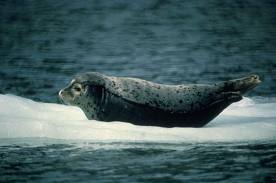
A seal on a patch of ice
from:http://www.public-domain-image.com/fauna-animals-public-domain-images-pictures/seals-and-sea-lions-public-domain-images-pictures/harbor-seal-pictures/harbor-seal-on-patch-of-ice-floating-in-water-phoca-vitulina.jpg.html

Female seals search for specific ice conditions on which they birth their pups from February-March. Thick ice conditions are necessary for nursing and raising these pups.  The mothers must find regions of thick, solid ice ranging from 15 cm – 120 cm thick. The ice must be stable because after 12 days of nursing, the mother leaves the pup by itself for 1 month on this region of ice. The pup practises hunting in nearby waters and continuously returns to the ice to rest. This growth period on the ice is crucial to the survival of the seal because as April approaches, the waters warm and the ice begins to break. Once the ice breaks apart, the pup must have become strong enough to swim and be independent of the ice. If it hasn’t achieved this at this point, it can drown from exhaustion or be crushed by moving ice.

Climate Change in Polar Regions:

Satelite composites of sea ice extent at the Summer Minimum, in September 1979 and 2007.
from: http://www.flickr.com/photos/climatesafety/3268623163/

Greenhouses gases, mostly produced through various activities of the human population, has lead to an increase in the average temperature of the Earth’s atmosphere. The effects of this have greatly impacted the Arctic regions of our planet.The ice of the Arctic is drastically disintegrating, and over the past few decades the ice used by seals has noticeably reduced. Global warming can be thought of as a vicious cycle, because since the Arctic ocean is unable to ventilate nearby oceans properly, it’s causing more warming. Furthermore, the melting of the ice causes there to be less reflection of the suns heat. This means that the heat is being absorbed by the earth, ultimately leading to more warming.

Baby Seals feeling the heat:

The premature warming of the waters and drastic melting of the ice at the polar caps is directly affecting the ice on which pups develop and grow. Harp seals prefer the thickest ice to birth and nurse their pups. However, these pups are being put at risk during their most vulnerable state due to the climate change that’s occurring. As a result, baby seals are being crushed or drowning. A study has shown that seal deaths have risen in response to the loss of sea ice. Without a doubt, the pup mortality rate is being affected by the amount of declining ice at the Arctic regions.

Since seals are unable to control this situation, let alone raise awareness to this topic, it’s our responsibility to come together to form a solution for the problem we have created. Otherwise, soon we will all be on thin ice.

By: Nadia A. Kari