Tag Archives: research

Biomarkers in transplantation

A way to predict and diagnose organ rejection without the need for invasive biopsies

Source: http://bit.ly/PTa5tl

For patients with end stage organ failure, transplantation is often the only possible treatment. It involves the replacement of a failing organ with a healthy one from a donor. Although the surgery itself may go smoothly, the patient’s immune system may react to the new organ and reject it.

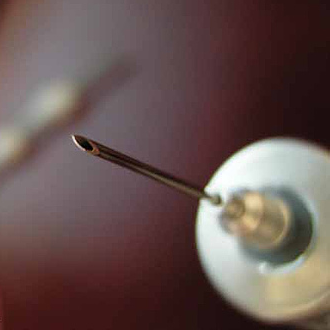
Biopsy needle.

Biopsy needle.
Source: http://bit.ly/hHKPJP

At present, when doctors want to detect if the recipient’s immune system is attacking the transplanted organ, they take a small sample from the tissue in a procedure called biopsy. Tissue biopsies are costly, painful procedures and in the first year post-transplant, patient would typically undergo around 14 of them. The use of blood biomarkers could decrease or completely eliminate the need for biopsies. The biomarkers would diagnose organ rejection using a simple blood test. This would be a simple and non-invasive method.

Biomarkers explained

In the context of graft rejection, a biomarker is a molecule produced by the action of genes. It can be messenger RNA, a protein or a metabolite, which is produced as a result of body’s immune response. Because people with organ failure express different types and/or quantities of these molecules than healthy people, they can be used as a reliable measure of body’s reaction to the transplanted organ. Their presence can be detected in a blood sample and used as an indicator of the impending organ rejection.

The development of biomarkers is currently underway by the PROOF Centre research team as a part of ongoing movement towards a personalized medicine approach – a patient-centered care providing treatment that is “particularly suited to that patient at that particular time”.

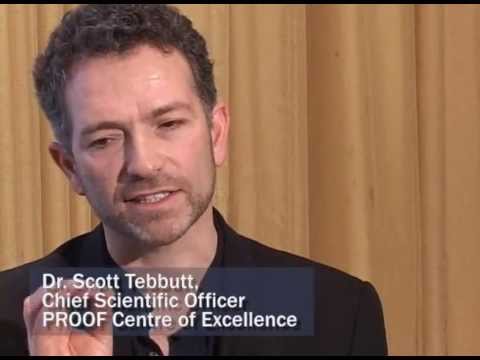
Dr. Scott Tebbutt, Chief Scientific Officer for the PROOF Centre of Excellence, talks about biomarkers:

YouTube Preview Image
Source: http://www.proofcentre.ca/what-is-a-biomarker/


For more information about the PROOF Centre and biomarkers, please read here.

Hopes for the future

Laboratory tests currently being used for graft monitoring do not provide a clear measure of immunological risk or accommodation between graft and host. Tissue biopsy thus still remains the primary diagnostic tool for monitoring graft status despite its many limitations. By implementing the use of biomarkers in post-transplant care, researchers hope to completely eliminate or decrease the frequency of biopsies in transplant recipients. Replacing biopsies with a simple blood test would not only reduce patient’s emotional and physical discomfort but would also decrease healthcare costs by preventing disease and improving health.

Submitted by: Nesim Lichy


References

1. Biomarkers: A new way to predict and diagnose organ rejection. Transplant Research Foundation of British Columbia Web site. http://www.trfbc.org/site/PageServer?pagename=News_Biomarkers. Accessed 09/20, 2012.

2. Keown PA, McMaster WR, McManus BM. Tools to identify organ rejection and immune quiescence for biological understanding and personalized medical care. Biomarkers in medicine. 2010;4(1):115-121.


A bitter pill? Illegal narcotics to treat PTSD.

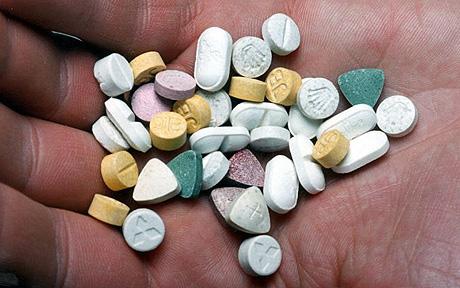
While it is known as a popular (but illegal) club drug, MDMA – which also goes by the street name, Ecstasy – is being clinically studied for use in the treatment of Post-Traumatic Stress Disorder (PTSD).

PTSD is a severe anxiety disorder that can develop after experiencing a psychologically traumatic event such as war, rape, childhood abuse, or a serious accident. Treatment of this condition can take a number of years, yet at least one-third of PTSD sufferers will never fully recover.

MDMA has the ability to stimulate a sense of happiness, promote closeness to others, and reduce anxiety. Researchers concerned with the underlying psychology of PTSD are discovering that MDMA, when taken by individuals who have the condition, demonstrate therapeutic benefits. MDMA appears to assist with the process of coming to terms with personal experiences, and controlling intrusive and traumatic memories.

Professor David Nutt, a psychiatrist and former drug advisor for the UK government, is a leading researcher on the therapeutic effects of MDMA. His view is that while MDMA has been made illegal in order to prevent youth from drug abuse, its therapeutic value has been overlooked. It must be added, however, that this is the same David Nutt who was asked to resign after he claimed that ecstasy and LSD were less dangerous than alcohol.

In a recent interview with BBC Radio 4, Professor Nutt discusses why the drug is being studied in clinical research and how it could be useful for treating the condition of PTSD. Click here to listen to a short segment of this interview.

Professor Nutt recently undertook a research study to test the benefits of MDMA for individuals experiencing PTSD, of which the results were promising. In this study, 12 treatment group subjects were given MDMA pills, while 8 control group subjects were given placebo pills. Both treatments were taken alongside therapy sessions. Results showed that ten subjects in the treatment group showed an improvement after two therapy sessions.

Even here in Vancouver, Psychologist Andrew Feldmar, Ph.D., is about to begin a similar study alongside Health Canada. Check out the video below where he talks about the importance of MDMA-assisted psychotherapy research for PTSD.

YouTube Preview Image
All in all, the use of illegal drugs as medicine is not a new occurrence. For example, medical marijuana has long been recommended as a treatment for pain, and is increasingly used in mainstream medicine. Ingredients from magic mushrooms have demonstrated calming effects on patients entering a late stage of cancer. There are other examples of the use of illegal drugs to address medical conditions. Will MDMA follow the same path?


Blog post submitted by Jackie Romeyn.

MIT researchers announce a possible solution to oil spills

Picture courtesy of wikipedia

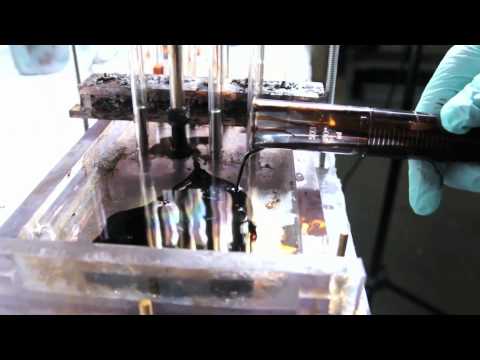
In 2010, a massive oil spill devastated the Gulf of Mexico, leaving much of its coast in a seemingly hopeless environmental disaster. As a result, some important questions were raised, such as what the most effective method of removing oil from the water would be. The world really demonstrated its lack of preparedness in light of this incident, as the solutions involved extremely inefficient measures, such as setting fire to the oil on the surface of the ocean. However, this incident sparked a significant interest in researching new methods which separate oil and water as a precaution against future spills.

Recently, one of the most intriguing ideas driving research has been the use of magnetic nanoparticles with an affinity for oil. As a result, researchers at MIT have recently announced their progress on a ferrous nanoparticle which first binds to oil in water and can then be drawn out of the water by way of a magnet, taking the oil out with it. Furthermore, this technique is expected to be a vast improvement on the efficiency of previous techniques used to recover oil, because once the oil has been separated from the water, the nanoparticles can be recovered, which leaves the uncontaminated oil behind for sale or usage. Listen to MIT researchers Shahriar Khushrushahi and Markus Zahn explain their project here: YouTube Preview Image

The concept is there, but the question of how practical such a method will be when dealing with vast bodies of water is still uncertain. Also, the nanoparticles themselves could be seen as an environmental contaminant, so recovery of the oil and then recollection of the particles should probably be done in a controlled manner. Hopefully some resolutions to all the issues surrounding this idea come to fruition soon, because even British Columbia could stand to benefit from the security this method of cleanup might offer, in light of the recently proposed pipeline.

Cameron Tough


A Step Towards Finding Stuart Little?

Unfortunately, scientists have not discovered a rodent that can talk and dresses up as a human. However, they have discovered that rats can experience humanistic emotions and exhibit human characteristics.

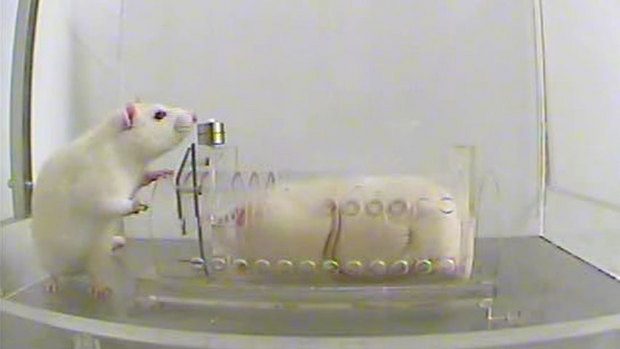
The test rat in the process of freeing the imprisoned rat.
Source: http://www.cbc.ca/news/offbeat/story/2011/12/09/rats-empathy-chicago.html

Inbal Ben-Ami Bartal et al. at the University of Chicago have found that rats have the ability to show empathy towards other rats. The research team’s experiment was designed to test whether a rat would open a cage to free another comrade inside. The results showed that the tested rat would free their distressed companion when it hears its calls, regardless of rewards. In order to further test this empathetic behaviour, the researchers performed trials where they placed chocolate in another container nearby to see if the test rat will head to the food instead of the imprisoned rodent. Surprisingly, instead of the anticipated results, the test rat chose to free the restrained rat. Furthermore, instead of hoarding the chocolate, the test rat went as far as to share it with the other.  As such, not only have rats shown empathy in this experiment, they also appear to retain a pro-social behavior towards other rats which is reminiscent of behavior recognized in our culture.

Source: http://rosieheffernan.com/MISC-1

Another finding that exhibits human characteristics found in rats was conducted by Jaak Panksepp, a neuroscientist at Washington State University. He discovered that when tickled, rats emit chirps that are akin to laughter heard through Bat Detectors, a device that can bring high frequencies to our auditory range. These 50 kHz chirps were found to be related to positive affective state in rats (Burgdorf 2011) and can also be heard when the rodents play and chase each other.

YouTube Preview Image

So why should people care whether rats can show empathy or laugh when tickled? These discoveries allow scientists to understand how the brain of specific animal works and its subsequent effect on behavior. Although these studies are focused on rats, the same experimental research may be applicable to other animals as well. This may in turn resolve some of the mysteries of the animal kingdom, from the process that fuels their keen instincts to the impulse that drives certain behaviours.

If further discoveries are made, perhaps we may one day see a genuine Stuart Little that can communicate with us. On the other hand, we might find a duo Pinky and the Brain  and stop them from taking over the world.

Blog post submitted by: Tiffany Ho

References:

Burgdorf, Jeffrey, Jaak Panksepp, and Joseph R. Moskal. “Frequency-Modulated 50 kHz Ultrasonic Vocalizations: A Tool for Uncovering the Molecular Substrates of Positive Affect.” Neuroscience and biobehavioral reviews 35.9 (2011): 1831-6. Print.


The Great Pacific Garbage Patch-a future vacation destination?

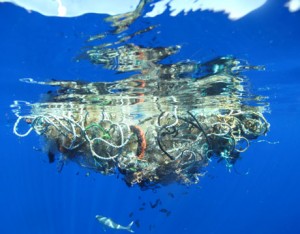
When you picture yourself on vacation, do you think of palm trees, sandy beaches, and clear blue waters? Ramon Knoester, an architect and designer from Holland has proposed an idea that may change future vacation destinations. He has plans to create an island made entirely from plastic waste collected from the oceans. He calls his creation “Recycled Island” and it would have the ability to sustain agriculture and a community. The idea is a creative solution to clean up the great garbage patch in the Northern Pacific Subtropical gyre. Would you vacation on a giant island made from recycled plastic?

Why does the patch need to be cleaned up?

The existence of an oceanic garbage patch that has been increasing tenfold every decade since the 1950s has some consequences that are of immediate concern. For example, plastic pollution has direct damage on marine organisms and seabirds. These animals are dying from ingesting the material, or suffocating from entanglement. Over 100,000 marine mammals and 1 million seabirds die from plastic each year. Eliminating plastic debris is of great importance and transforming the great patch into a self-sustaining island could be a possible solution.

Can this dream become reality?

“Recycled Island” may seem like a far-fetched idea, but there is a chance that it will be created.   After presenting his vision at the Fifth International Marine Debris Conference in Hawaii,  Ramon Knoester was given a grant from the Netherlands Architecture Fund to design a prototype for the 10,000 square kilometer habitat. He admits that it is a daunting task that will take years to complete,  but it is possible and something needs to be done about plastic waste.  This island will not only reduce marine pollution, but it will provide a welcoming and sustainable environment for climate refugees. Who knows, maybe you will be vacationing to “Recycled Island” instead of Hawaii sometime in the future.

References:

  • Berton, Justin. “Continent-size toxic stew of plastic trash fouling swath of Pacific Ocean.” San Francisco Chronicle 110 (2007): 8
  • Dore, J., et al. “Ecosystem changes in the North Pacific subtropical gyre attributed to the 1991-92 El Nino.” Nature 373 (1995): 230-231.

Hearing Loss is No Clowning Matter


http://julieamarxhausen.files.wordpress.com/
2011/03/finding-nemo.jpg

Everyone’s favourite clownfish is back, but this time, he’s in 3D!  With the beloved movie Finding Nemo returning to theatres this weekend, I thought it would be fun to do a little research on our friend, Nemo.

Everyone who has watched the movie knows that Dory is a forgetful fish, but few people know that Nemo, the clownfish, can potentially be a deaf fish. Recent studies have shown that clownfish are quickly losing their hearing due to ocean acidification caused by fuel emission. In fact, over half the CO2 emission is absorbed by the ocean, thus lowering its pH.  In this experiment, scientists performed a series of tests by increasing the amount of CO2 to what is predicted to be present in years 2050 and 2100, and then recorded the clown fish’s response to various predator-rich coral reef sounds.

Graph of CO2 consumption and pH levels of oceans as a function of time http://centerforoceansolutions.org/climate/wp-content/uploads/2009/12/Acid_pH_graph.jpg

Lead researcher Dr Steve Simpson from the University of Bristol explains: ‘We kept some of the baby clownfish in today’s conditions, bubbling in air, and then had three other treatments where we added extra CO2 based on the predictions from the Intergovernmental Panel on Climate Change for 2050 and 2100. We designed a totally new kind of experimental choice chamber that allowed us to play reef noise through an underwater speaker to fish in the lab, and watch how they responded. Fish reared in today’s conditions swam away from the predator noise, but those reared in the CO2 conditions of 2050 and 2100 showed no response.’

For baby clownfish such as Nemo, their ability to hear is one of their most important assets in ocean survival; with this component slowly being stripped from them, they are becoming increasingly vulnerable to predators. Not only is hearing a sense of protection, clownfish and other coral reef species also rely on their hearing to return home. To make matters worse, ocean acidification does not only affect external matters, it can damage the inside of the fish as well.

http://images.cdn.fotopedia.com/flickr-9201132-hd.jpg

The future of these clownfish’s hearing may be bleak , but scientists have yet to find out if they will adapt to the change in water pH. At the moment, this research is done one way; therefore there is a chance that clownfish can evolve and maintain their hearing.

Blog post submitted by:  Deborah Lo

References:

Daily Mail: “Finding deaf Nemos: Clownfish are growing up with impaired hearing ’caused by fossil fuel emissions.'” –  http://www.dailymail.co.uk/sciencetech/article-1393045/Finding-deaf-Nemos-Clownfish-growing-impaired-hearing-caused-fossil-fuel-emissions.html (accessed September 13, 2012)

University of Bristol: “Ocean acidification makes clownfish hard of hearing.” – http://cordis.europa.eu/fetch?CALLER=EN_NEWS&ACTION=D&RCN=33485  (accessed September 14, 2012)


Could coconut oil be the solution to creating an all natural toothpaste?

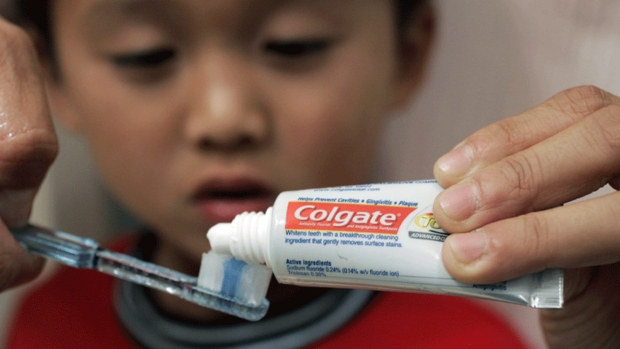
Image source: http://www.cbc.ca/news/technology/story/2012/09/03/sci-coconut-oil-tooth-decay.html

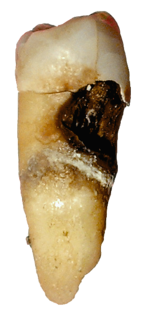
Oral hygiene affects everyone and with the increasing number of children and adults affected by dental caries, more commonly known as tooth decay, has some dentists suggesting we are undergoing an epidemic.  Tooth decay is caused by specific bacteria that erode the hard tissues of the teeth through the production of acid by hydrolysis of food debris.  When left untreated, this infection can spread and possibly lead to serious health complications such as Ludwig’s Angina.

Research done at the Athlone Institute of Technology’s Bioscience Research Institute in Ireland, suggests that coconut oil inhibits the growth of tooth decay causing bacteria and is comparable to the current toothpastes being used.  The research team led by Dr. Damien Brady tested the antibacterial action of coconut oil in both its natural state and when treated with enzymes.  Testing was performed on various strains of Streptococcus bacteria, the most commonly found bacteria in the mouth.  Dr. Brady and his team of researchers found that the enzyme-modified coconut oil substantially inhibited the growth of several strains of Streptococcus.  One of the acid producing, decay causing bacterium, Streptococcus mutans, was found to be strongly inhibited by the modified oil.  An earlier study demonstrating the effects of enzyme-modified milk and its reduction on the binding of Streptococcus mutans to tooth enamel encouraged Dr. Brady’s study on coconut oil.

Dental Caries
http://en.wikipedia.org/wiki/Dental_caries


Dr. Brady’s team presented their work at the Society for General Microbiology’s autumn conference at the University of Warwick on September 3, 2012.  Further work will be done on the molecular level interaction between coconut oil and Streptococcus bacteria.  The team will also be testing the modified-oil’s effect against yeast Candida albicans that can cause thrush.


Why do we care?

With the increase of dental caries being reported today, oral hygiene has become the center of public concern.  Excellent oral hygiene and fresh breath demands that we brush our teeth multiple times a day.  Although the frequency of tooth brushing has become the main focus, attention is lacking as to what ingredients in tooth paste are essential.  Tooth brushing has become a part of our daily routine, but have you ever wondered what your tooth paste is made from?  With ingredients like Sodium Hexametaphosphate, glycerin, hydrated silica and propylene glycol it’s no wonder we don’t question it more.  The public has demanded an increase in organic and health food products yet toothpaste seems to be overlooked.  The research being performed by Dr. Brady and his team could have potential benefits for the oral health care industry.  With the results from their research, there is the potential to reduce the amount of chemical additives in toothpaste and substitute modified coconut oil and other natural ingredients.

This blog post was submitted by: Layla Vera