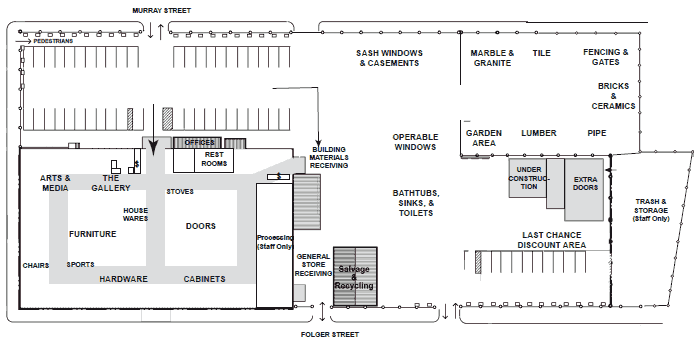
Observational data, as demonstrated by the tie-rack example, can help gauge the effectiveness of different store layouts and promotional displays. It can also be quite expensive, which is why this new form of observational data is so exciting. Using the unique MAC address associated with any wireless enabled device to track consumer’s movements throughout a brick and mortar store is a spectacular way to amass detailed information about people’s shopping behaviour. The article extensively discusses the privacy concerns linked to this system, but I was more impressed by the system itself. Some of the information which can be derived from data collected this way is shockingly specific: how long does a customer spend in line waiting to pay? How many customers never approach a till? Which displays are drawing large crowds and which are not as effective? Once a system is put in place to collect this sort of data, the cost lies solely in analyzing the data as opposed to both collection and analysis of data.
The insight marketers can gain from this system is staggering, and it is an interesting way to build a database with the size and quality typically associated with digital store databases. The path typical customers take through the store can be tracked and used to optimize promotional display positioning. I am interested in seeing where else this technology could be applied. Tracking potential consumers during their morning commute would allow for more targeted ad space on billboards and public transit systems. Imagine if Translink could track what demographic uses a specific bus the most. This would increase the value and demand for the ad space available vastly.
http://www.washingtonpost.com/blogs/the-switch/wp/2013/10/19/how-stores-use-your-phones-wifi-to-track-your-shopping-habits/