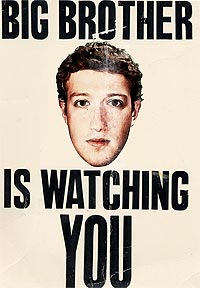
Internet marketing often raises significantly privacy issues.
Facebook routinely receives negative press for the amount of information it collects and sells to advertisers. Facebook users repeatedly get denied jobs or even communion, for things they post online. Stories such as the FBI’s use of email monitoring of affairs of high-ranking officials or the issues involving Chinese state-owned companies can scare consumers from participating in social media, regardless of the evangelism and optimism of social media mavens.
Marketers need to understand that they have a fiduciary responsibility to the consumers from whom they are collecting data.
Impacts
Privacy concerns can cause consumers to refuse to participate in internet marketing, such as online discussion forums. Social media tools allow rather intimate communication with consumers, and marketers should be careful with how they are used. Think about social media for products that people aren’t very proud of using them or where your target market is not technology early adopters J
As always, if marketing is done poorly it will hurt the brand. But privacy concerns caused by marketing efforts can cause people to become suspicious of the product, perhaps leaving them feeling vulnerable, and less willing to engage with the brand’s products if it requires disclosing personal information. For example, how many of us would trust a health organization that engaged in open social media that facilitated people in sharing their medical history online?
Some Best Practices
- Collection – While getting lots of data is good, make sure you don’t collect a bunch of personal information you really have no use for. If you use third party applications, make sure there not of the type that misrepresents how much data they’re collecting.
- Attain proper consent – The beginning of the data journey is collection. The key to collection is proper consent. Many jurisdictions have legislation that requires organizations to explain why data is being collected and what it will be used for, so make sure you don’t go around that.
- Give customers a benefit – people will often freely give lots of information, just so long as you offer them some benefit for doing so.
- Separate sensitive data – Some information is more sensitive than others. Obviously, data is much more likely to be a target for hackers if it is financial data. However, non-financial data can be just as devastating if there is a privacy breach. Some information about a person, once public, can never be made un-public. To mitigate this, marketers should separate the sensitive information from the open information. Marketers very often have no need for the sensitive information In other words, just let someone else host the site that processes payments.
- Manage your employees – If customers have an expectation of privacy, role-based access models can restrict access to a need-to-know basis.
- Know the law – There is a lot of law that can bite marketers including corporate law that requires public companies to report significant breaches, the Patriot Act, and even proposed law such as the Mobile Device Privacy Act.
- Avoid excessive personalization – Don’t creep people out!