Categories
Uncategorized

iMarket

The great debate facing technologically-savvy users of the 21st century: Mac vs. PC. It is evident by one glimpse inside the Irving K. Barber Learning Centre that the Apple Corporation has found tremendous success with sales of MacBook laptops. With the strength of the Mac brand, Apple has boosted its profits by highlighting several points of difference between the lightweight, versatile MacBook and its PC competitors. I would like to draw your attention to a commercial entitled “MAC vs. PC: Box.” Apple demonstrates impeccable marketing finesse by illustrating both a metaphorical point of parity and a point of difference between Mac and PC computers. The two men are both sitting inside a cardboard box, symbolic of a computer. The boxes are alike in that they both possess the same generic function (a point of parity). However, the Mac man is able to leap out of his box to accomplish tasks without hesitation, while the PC man is burdened with preparations that diminish any user-friendly appeal. A point of difference can be seen with the colors of the cardboard boxes. The PC box is a bland brown and is a more traditional cardboard construction. The white of the Mac box is sleeker and suggests a more modern device. This can even be seen through the differing appearances of the two men: the PC man is older, stiffer, and wears glasses while the Mac man is a young, energetic, and dressed casually. Through the subtle metaphorical points of parity and differences of this ad, Apple is able to establish itself as the better of the two in the minds of the consumer and this is crucial with regards to brand positioning.

YouTube Preview Image
Categories
Uncategorized

It’s Not Easy Being Green: The Ethics of Eco-Labelling

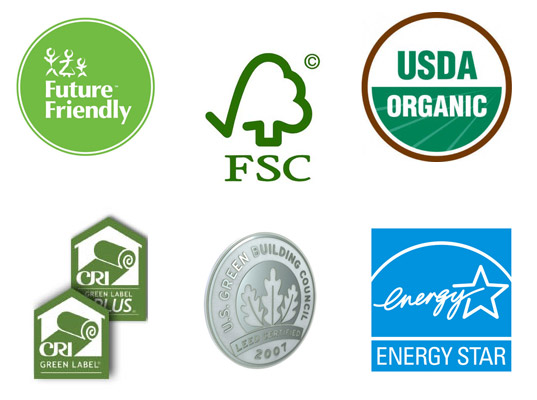
We live in a society striving for sustainability : individuals and organizations are constantly developing innovative products to protect the environment from further harm. However, the environmentally-friendly movement comes at a cost to businesses, who must adapt their marketing strategies to persuade the most ecological of consumers to buy their products. Known as eco-labelling, companies entice customers to a product by extolling its environmental benefits. However, as a Globe and Mail article points out, businesses have crossed the line by exaggerating the ecological merits of a product and consequently misleading consumers. The Competition Bureau has developed eco-labelling guidelines: for instance, companies must avoid vague assertions in the label, not declare a product to be substance-free if the substance is not considered in production, and not loosely use the term “sustainable”. With respect to consumer choice, environmentalism is beginning to shape the products that customers buy. Businesses are only trying to cater to the market when employing these advertising techniques, false they may be. Is that so wrong? Yes. Companies are distorting the environmental truth of a product to consumers in the hopes of reaping the benefits. Then the question is: how can businesses ethically compete for customers in this green era?

http://www.theglobeandmail.com/life/article44533.ece -Article in The Globe and Mail

http://www.inhabitat.com/wp-content/uploads/iiglabels-lead.jpg-Picture

Spam prevention powered by Akismet