Categories
Uncategorized

The Slippery Slopes of Whistler Stocks

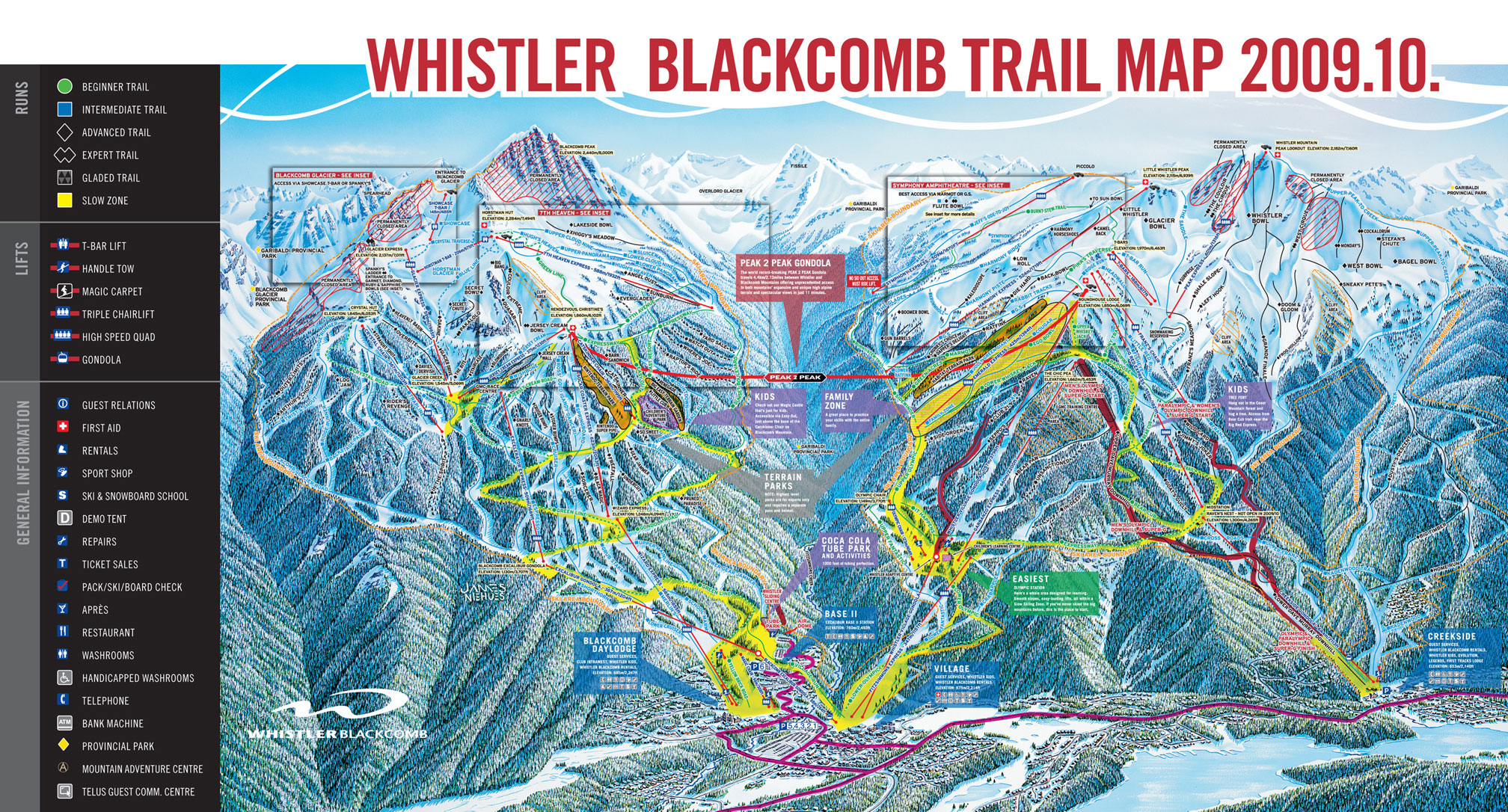
Savvy skiers and snowboarders around the world rejoice: it is now possible to buy stock in the Whistler Blackcomb Ski Resort. Current owner Fortress Investment Group LLC, despite the attention given to Whistler Blackcomb as a result of the recent Olympic Games, has been unable to find a new owner. What’s not to like? While Whistler is a viable asset with regards to both reputation and the amount of resources offered to consumers in the way of trails and lifts, it is not expected to achieve much growth in the coming years and this has caused Fortress to seek the investor public offering (IPO) market as a way to sell shares of the resort. Judging by Whistler’s popularity both at a domestic level and an international level, it can be assumed that the dividends paid out to these shareholders will be quite large. This should theoretically increase the incentive to buy stock in Fortress. However, the purchase of Whistler stock is not complete without risk. It is a portfolio without much diversification, as the investor would only be purchasing ownership in Whistler Blackcomb. When Whistler was owned by Intrawest, a purchase of stock in Intrawest would provide the investor with a share of Whistler in addition to a share of Mont Tremblant in Quebec, Blue Mountain in Ontario, and another real-estate business. Fortress does not offer the same reduction of risk: its assets consist entirely of Whistler. Before purchasing, an investor must consider their level of confidence and trust in the continued success of Whistler Mountain.
http://www.theglobeandmail.com/globe-investor/fortress-hopes-olympic-lure-sells-whistler-shares/article1742386/ – Article

http://www.ski.com/resorts/trailmaps/tmn_whistler.jpg – Picture
Categories
Uncategorized

Corporate Responsibility in an International Market: BK

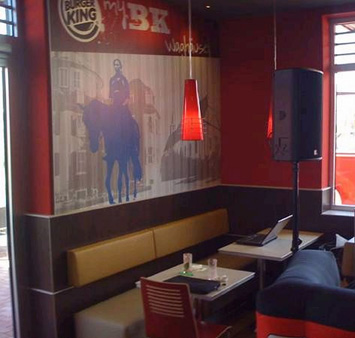
Burger King is continuing to build momentum in international markets through its decision to increase energy efficiency in its Waghausal, Germany restaurant. Not only is this a strategic move with regards to cost reduction, Burger King will be able to strengthen its appeal as a socially-conscious corporation. Burger King plans to use technologies such as LED lights, wind turbines, and ventilation systems, and the use of such will decrease the restaurant’s energy consumption by 73%. The implementation of such ecologically-friendly features has large financial benefits for Burger King in terms of fixed production costs: the use of a Duke Flexible Batch Broiler in the kitchen is expected to reduce gas costs by 52% and electricity costs by 90%. This cost reduction will result in an increased contribution margin and decreased break-even point, and this is significantly profitable for the corporation in the long-run (once the initial costs of implementation have been recovered). Burger King is simultaneously enhancing its appeal as a socially-responsible firm: its efforts to undergo energy-efficient operations convey a positive externality on society. Burger King stakeholders are not the only ones to benefit from the business – the corporation is practicing corporate social responsibility and benefitting the surrounding community through a more resource-conscious establishment.

http://investor.bk.com/phoenix.zhtml?c=87140&p=irol-newsArticle&ID=1437859&highlight= -Article

http://www.everlight.com/upload/sup_file/pressrelease/BurgerKing_Germany_082710/Everlight_BurgerKing_Interi.jpg -Picture

Categories
Uncategorized

A Comparison: Canadian and American Government-Issued Bonds


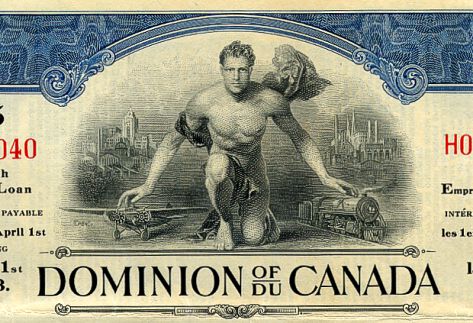
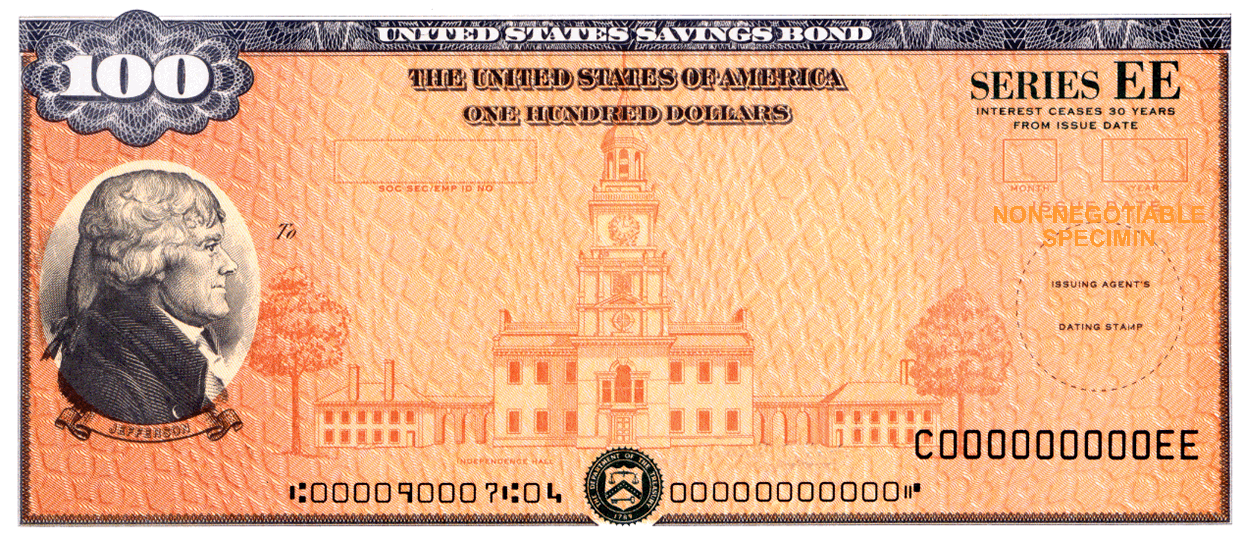
It is well known amidst the finance world that an accessible way for investors to jump into the financial market is through the purchase of bonds, whether they be issued from a corporation or from a government. From the perspective of an investor lacking the appropriate experience, government-issued bonds would be an ideal choice as they are comparatively risk-free. For a potential North American investor it is interesting to compare the interest rates, terms of maturity, and liquidity of the Canada Premium Savings Bond, or CP Series 75, with the American EE/E bond. The CP Series 75 bond has a ten-year term of maturity, while the American E/EE bond matures after twenty years but continues earning interest until thirty years after purchase. The interest rate of such a bond, as of May 2010, is 1.40%. This is a fixed interest rate and the amount is dependent on the date when the bond was issued. In comparison, the interest rate on the CP Series bond as of April 1, 2010 is 1%. Both bonds can be redeemed after one year. However, the CP Series bond can only be redeemed on the day of or 30 days after the yearly anniversary of its purchase. The EE/E bond can be redeemed at any point following one year. The American E/EE bond is more liquid, has a higher interest rate, and a longer maturity date. However, the length of this maturity date, in combination with the current instability of the U.S. financial market, could pose a risk to investors who don’t wish to be tied-down for so long. On the flip side, the Canadian bond is equally liquid in terms of length of required holding, but restrictive in that it can only be redeemed within a specific period of the year. What is an investor to choose?

http://www.treasurydirect.gov/indiv/research/indepth/ebonds/res_e_bonds_eeratesandterms.htm#may2005 – U.S. Bond Info

http://csb.gc.ca/5170/canada-savings-bonds-rates-announced-april-2010-draft/ – Canada Bond Info

Spam prevention powered by Akismet