After the much hyped American retailer, Target, launched in Canada in March, the sales did much worse then expected. Target may be finally changing things around with their new adjustment in prices. Target in the United States is popular and successful due to its discount retailing approach. They are able to bring customers a vast assortment of discounted merchandise in one convenient store. However, when it was first introduced in Canada, many customers thought the price was too high for their “discounted” claims. When compared to other stores like Wal-mart and Shoppers Drug Mart, the was no visible price difference despite it being a “discount retailer,” making the company lose its biggest value proposition. As a result of this Target did very poorly in Canada during the first few months and it began to seem not 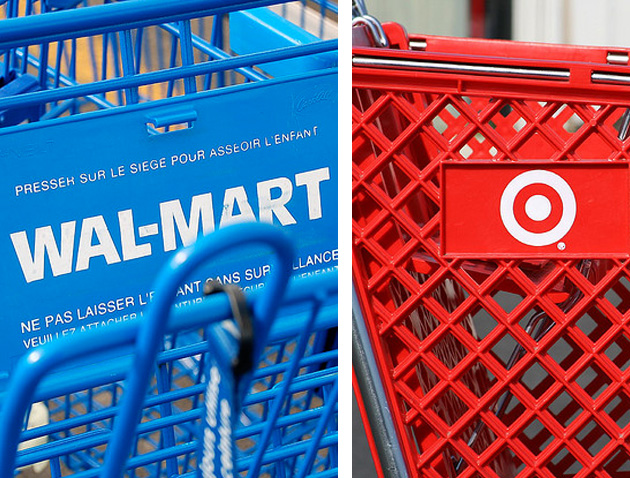 that different from Zellers, a similarly styled Canadian company that struggled in sales prior to its purchase by Target. Only recently has Target finally decided to lower its prices and is now winning the price battle with Wal-mart. When comparing 33 items in grocery, heath, and beauty aisle, Target’s prices were cheaper by 3.9% than Wal-mart. With the introduction of the new prices, Target has found a strong advantage with its new cost leadership strategy. With this new leadership strategy, customers will finally have a very good reason to choose to shop at Target compared to other retailers.
References:
http://www.huffingtonpost.ca/2014/09/24/target-canada-walmart-prices-kantar_n_5870342.html?utm_hp_ref=target-canada

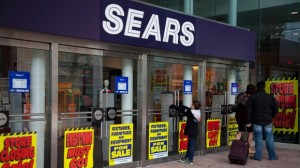 on most of their stores still look the same as they did ten years ago. This alone gives consumers little incentive to shop there given the atmosphere and lack of selection, since competitors like Hudson’s Bay and Target can probably offer better and more varied things with minimal price difference. Even successful businesses, like Sears, need to constantly undergo changes in accordance with the ever-changing consumer tastes in order to become successful even as time passes by.
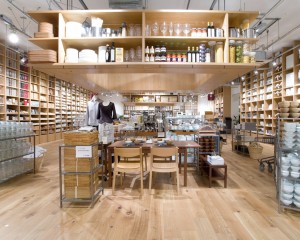 yet efficient business model is key to growing the company and expanding into new markets. Take Japanese retailer