




Assignment 02 – Vicky Cen
Leave a reply
I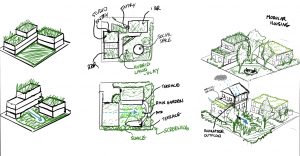

 . /
. /
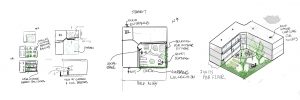
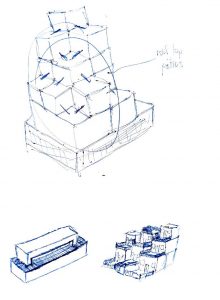
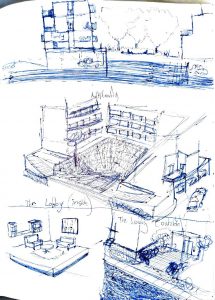
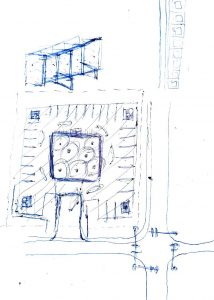
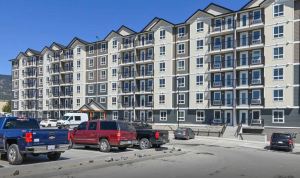

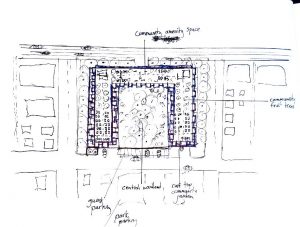
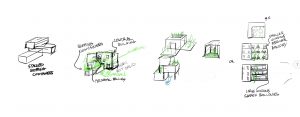
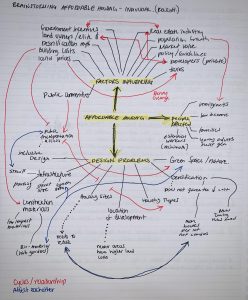
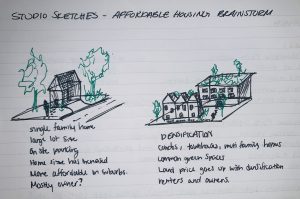
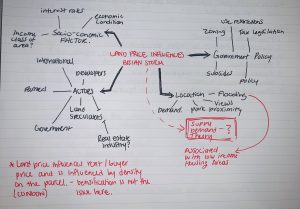
Below is my process of thinking through the Matrix before group brain storm, and some things I have learned throughout MLA and undergrad about housing. I was thinking about how affordable housing is connected to many outliers we don’t realize.
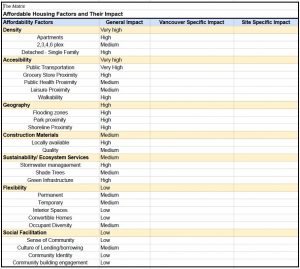
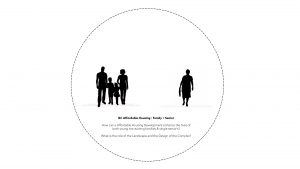
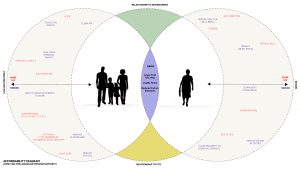
Affordable housing is urgently needed by the homeless, thus I visited and analyzed a project created by VAHA aiming to provide housing for the homeless. These two affordable housing are located on 2132 Ash Street and 265 West 1st Avenue.

I found that compared with other communities, these affordable housing are spatially: 1) Lack of high-quality gardens. 2) Are relatively separated from neighbourhoods around. From multi-sensorial aspect: these affordable housing always have the noise and unpleasant exhaust generated by the traffic on the road. All of the above are bad for the physical and mental health of the residents.

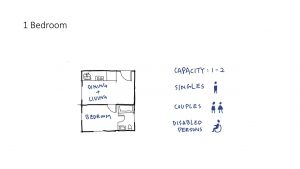
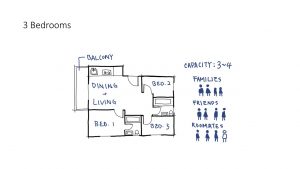
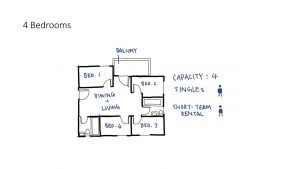
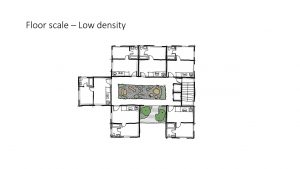
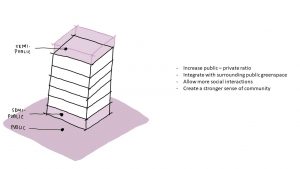
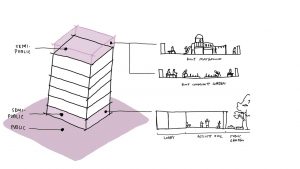
Although in the same building, the residents there seem to live in seperate, isolated boxes. There is no good garden space for them to do exercise and socialize. I came up with some ideas for the design of each unit: the room is composed of 3 parts, one for living, one for private garden, and one for semi-open garden that can be shared with others. In this way, even during the pandemic, people can communicate with each other at a safe distance.

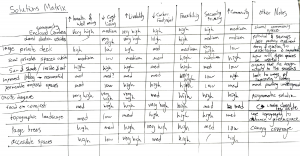
Two matrices were made based on the analysis. First, I enumerated possible garden activities and rated the importance of them. Under the influence of pandemic, I think people’s requirements for physical exercise and socializing in the garden will increase. These activities should be provided with special venues in the design.

In the second matrix, I proposed that even with different incomes, people have the same level of demand for some activities; however, the homeless have stronger requirements for skills acquisition.
On the basis of assignment 1, I will further clarify the users of affordable housing, and explore what kind of garden activities they need, as well as what scale and form of space are required to do these activities.
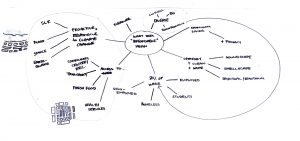
Affordable housing is a subjective term. Instead, I have considered “non-market housing” in recognition that the word affordable is applicable in many different soci-economic contexts. My focus here is not on people experiencing homelessness, but instead on the low-to-middle income households seeking housing in Vancouver.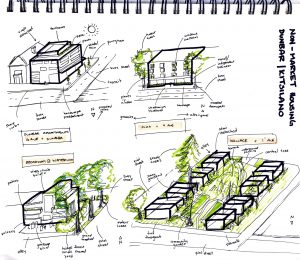
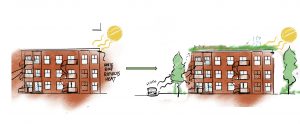
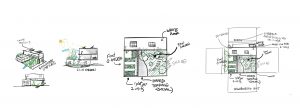
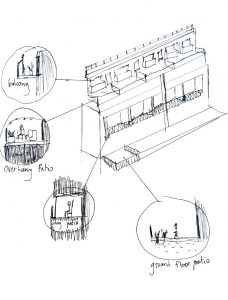
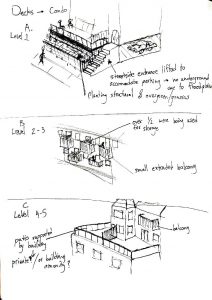
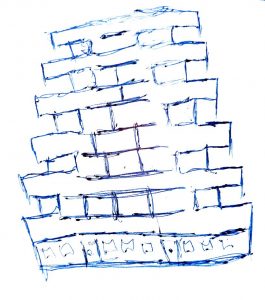
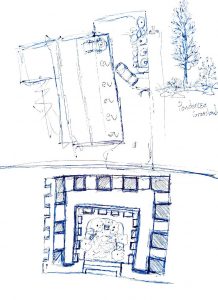
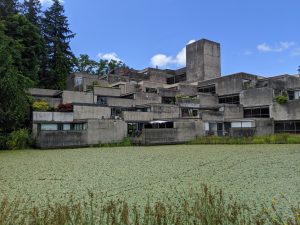
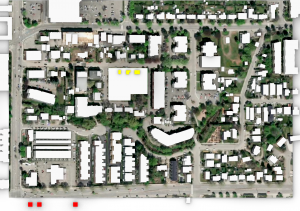
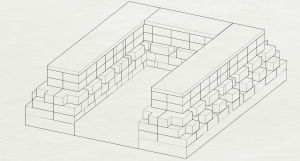
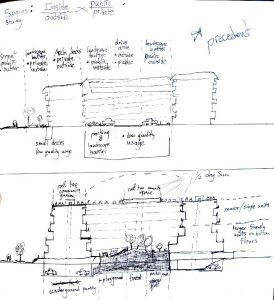
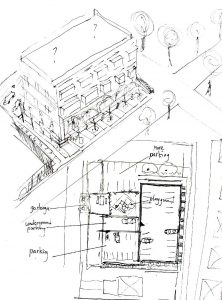
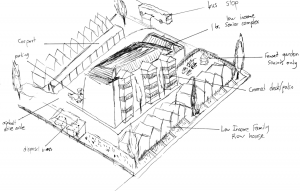
When asked to develop a matrix that aims to prioritize and understanding the sensorial experience of I began by visiting non-market housing in the Dunbar and Kitsilano neighbourhoods. Here, I saw typical ideas of what non-market housing may look and feel like – exemplified through 3/4 drawings above that feature apartment living, often on busy streets. However, the bottom right sketch shows a co-op housing block on a quiet street, and contains many of the amenities that I would seek out if when looking for an affordable place to live. See annotations above.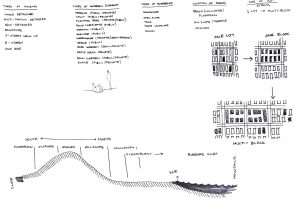
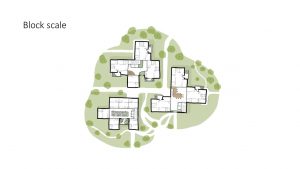
Imagining the dispersion of non-market housing in the city, I began to explore how this would look on a single lot, a full block, and at the multi-block scale. This led to a consideration of topography in relation to non-market housing, defining uplands, hillslope, lowlands, and flood plain as a core consideration in what garden elements would best apply to the lot size. While garden elements describe the localized experience, neighbourhood elements describe lifestyle requirements including access to different amenities. 
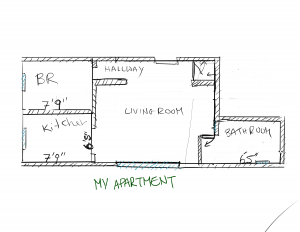
A prioritization scheme is suggested, but not filled out. More consideration for how to prioritize each element is required and I suggest that in the real world this would involve community input. However, it is worth noting that through a process of self-reflexivity (understanding what my bare minimum, and my preferred living conditions would be) has proved useful in empathizing with anyone seeking reasonable housing that fits my demographic as a 31 year old woman without children, a whack load of student loans, in a 2 person single income household.