This weekend as I was lost in the world of surfing YouTube, I stumbled across something that surprised and really interested me. I found that on YouTube, you are now able to purchase movies from the site. For example, one of my favourite movies, “Lock, stock and two smoking barrels” is available to be rented at $3.99. This was extremely shocking because it was something that I never heard of YouTube doing, I didn’t even think that you were able to make purchases over YouTube, but I was wrong. After the initial surprise of it all, movies on YouTube seems like a really smart idea. YouTube movies was initially created to compete with NetFlix. As online movie watching becomes increasingly popular, Youtube movies seems like a great alternative. As a former user of Netflix, I was thoroughly unimpressed as it had really poor selection and felt that most of the movies was really dated, for me it was not even worth the $8 monthly flat rate and decided to end the subscription. YouTube Movies are ideal for people like me who surf YouTube for hours or look for ways to watch movies online without having to pirate them. Although, I feel as if a more appropriate competitor comes in the form of iTunes. They sell and rent movies in the same price range. Both systems are very similar but with the emergence of Youtube Movies, we shall see who becomes more of a success.
Month: November 2011
Corporate Responsibility
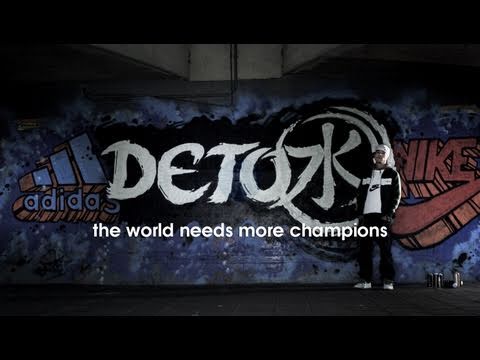
A few nights ago, I received a knock on my door. It was a man from Greenpeace that was going door-to-door looking to raise awareness and trying to gain prospective members. He spoke of many different Greenpeace initiatives but I was especially interested in one of their bigger operations that’s taking place in China. Like this article suggests, Greenpeace is investigating a Chinese conglomerate that they’ve noticed polluting many of China’s Waterways, including the Yangtze river, the largest river in Asia. Greenpeace beliefs that several different textile plants have been polluting these waters with harmful toxins and chemicals that are banned in Europe and North America. Nike, Puma, Adidas, Abercrombie and H&M are some of the big name companies involved with this conglomerate and Greenpeace has let that been known. As a brash and rather abrasive lobbyist group, Greenpeace has been trying hard to find a solution with these big companies.
I have found it quite interesting to see the difference between the different companies reactions to this so-called scandal. For some, like Nike and Adidas, bad publicity is the last thing they can afford and both have decided to make changes through thier manufacturers in China. Greenpeace has also set-up a contest on their site, encouraging both companies to compete to see who can rid themselves of these toxins and perform a detox.
Others have shown a little resistance, like Abercrombie. Abercrombie In an emailed response to Greenpeace, Abercrombie had said the conglomerate had not signed up for a social responsibility program that Abercrombie is part of. As a consumer, I would really use this as a. I would much rather buy products from a company that though they might have made mistakes, they take an active role in trying to resolve them, then others companies who try to to sweep the whole problem under the carpet.
The Emergence of Google+
For the past few weeks and even months, each time I use google to make online searches, I’ve been really curious as to what the “You+” tab meant. After reading over a fellow student’s blog, Stephen Tran, I felt it was time for me to find out. Google+ 
After a very brief internet research, I found out that Google+ was a social-networking platform introduced to compete with other social-networking sites, especially Facebook. Like Facebook, Google+ provides its users to share pictures, thoughts, ideas amongst the users friends. Google’s blog suggests that “In this basic, human way, online sharing is awkward. Even broken. And we aim to fix it.” And with that comes Google+. With Google+, comes a few ideas that differentiate this platform from Facebook. For example, Google+ introduced “circles”, a way for users to separate its friends list in smaller groups. “Circles” enables the user to keep some thing private with a certain number of individuals instead of letting every friend in on it.
As a Facebook user myself, the idea of Google+ is very exciting to me, but very much like google’s other attempts at social-networking platforms (ie. Google Wave and Google Buzz), I have doubts surrounding its success. Though it may have introduced many cool concepts, I have little interest in starting an account myself. I remember when I first started to consistently use Facebook, many of my friends were already using it and though I may have been a huge “bandwagoner” for joining Facebook, I simply just did not want to be left out. And for me, the same idea applies for Google+, unless they can garner enough support and popularity, I can not see myself becoming a user.