Categories
Comm 296 Uncategorized

Packaging Matters!

Drew’s Marketing Minute recently discussed how creativity in packaging can help sell a product. This reminded me of Monday’s class discussion on packaging. I am a true believer that packaging can help sell a product.

The “Help…I have the sniffles” packaging from the nasal decongestant tablets would definitely make me want to by the product. That being said, it’s important to add value to the product by designing intriguing packaging and not diminish value.


One packaging design that clearly sticks out in my mind is the POM pomegranate juice containers. They are shaped like two pomegranates stuck together. This design definitely sticks out in a consumer’s mind since there are no other package designs like it. Also, the target market for this product is focused on the niche healthy-oriented consumers, who believe pomegranate juice is good for you. These  bottles are definitely “distinctively curvaceous bottles” , however how good is the actual product? Science has yet to tell us. In my opinion, pomegranate juice definitely does not prevent cancer, or help it from stopping to spread, as this article suggests. I think we are still far away from finding an answer.

However, this packaging and the thought of health benefits sells this product to consumers. Similarly, our in-class activity about water packaging convinced consumers to purchase Fiji Water based on the fact that it is water from a tropical clean environment. The packaging has holograms of a paradise environment with leaves on the sides. However, in reality, it is hard to believe that water from Fiji is better than water from Canada. Yet, Fiji Water still sells.

Categories
Comm 296

Could Coke Become Worthless?

Laura’s article “Are Soft Drinks the Cigarettes of 2012?”  does a great job at examining the importance of packaging regarding this recent soft drink cancer scare. To be honest, I had just heard about this and was shocked. We have learned to trust large companies, such as Pepsico and Coca Cola, and we imagine that they have our best interests in mind. This is achieved through all their wonderful advertising, that makes customers feel good about their purchase.

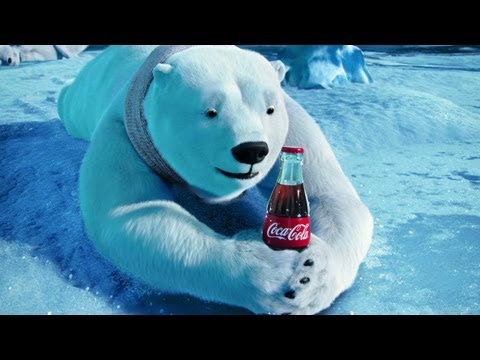
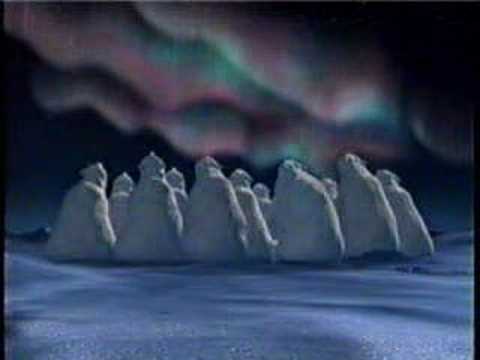
An example would be this “Always Cool” Coke Ad. It gives consumers the feeling that Coke is “in style” and desirable by the masses. The polar bear Coke advertising has been around since 1922, but started to become used on a large scale in 1993. Polar bears  may have the image of being warm and cozy animals, however I would never have thought that this marketing image would have stuck around. Polar bears live in the Arctic and it seems counter intuitive to have a polar bear drink a cold Coke bottle. In Coke’s first 30 second commerical with polar bears, we see the animals watching the Northern Lights. This could be meant to be equivalent to people sitting at home and watching television, or out at the movies. The polar bears are thirsty and quench their thirst on a Coke. Since 1993, this image has expanded drastically and these ads can be seem while watching a preview to a movie or even an ad during the Super Bowl. YouTube Preview Image

YouTube Preview Image

It is understandable why Coke is now trying to change it’s packaging to avoid the scare of losing all its brand image if people believe that Coke causes cancer. The polar bear ads, which we, the consumers, have learned to trust and love, and have earned Coke millions of dollars would all be worthless. 


Categories
Comm 296

“Brandwashing” in movies?

I don’t know about you, but when commercials come up while watching TV, i tend to leave the room, go do something else, and then come back when i hear that the program starting.

I understand that it’s convenient to just stay in one place, but for me it’s more important to not waste time. That being said, we are still swarmed by advertising in television without watching commercials. For example, if you watch a hockey game, you will see tons of ads on the side of the ice, whether you like it or not. And indirectly, you might be be affected by them.

Similarly, a tv show could be “sponsored” by a company, giving it the opportunity to place its merchandise right in the show. Alas, marketing is unavoidable to the consumer. Maybe that is one of the best reasons why it is so successful.

Regardless, one thing that I’d like to talk about is marketing in movies. I’ve recently seen the movie New Year’s Eve which came out last month; I was amazed by extreme amount of product placement.

Over 40 different companies advertise in the movie, all the way from Apple, with it’s shiny macbooks, to companies like IKEA and places like the Julliard School of Music.

However, in comparison, movies like Harry Potter already have a brand to sell…and that is Harry Potter, the brand. Therefore they do not use any product placement.

The marketing industy for films is quite fascinating. It would be interesting to do research and see how effect it is….I mean, it must work, if companies are willing to put in the time, effort, and money.


Spam prevention powered by Akismet