 I am currently working on a case study assignment about Domino’s Pizza in another course. I found it interesting and particularly relevant to the latter part of our marketing course.
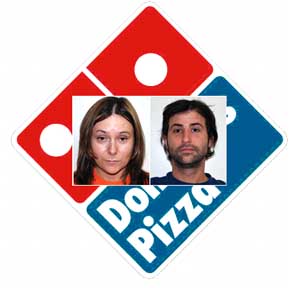
A few years back, two employees at a Domino’s Pizza location thought it would be funny to film themselves doing disgusting things to customers’ orders, and posting the video on YouTube. The video showed them sneezing on pizzas and sandwiches, and performing many other appalling acts. The video quickly went viral, amassing over 500,000 views in a few days.
The same day the video was posted, a blogger contacted Domino’s to inform them of what had happened.Domino’s immediately tracked the employees down and terminated them. They then successfully had the video removed from YouTube. Unfortunately the damage had already been done. People were sharing the video and talking about it all over the internet.
This was certainly a major public relations disaster for the company. Domino’s had the burden of rebuilding its company image and reputation. They quickly created a Twitter account, apologizing to the public, and the president of Domino’s put out a video a few days later expressing his apologies.
Domino’s should not have relied on a third party message by a blogger to inform them of the video. Instead, they should have been thoroughly monitoring social media and the internet. With the widespread use and access of social media nowadays, companies have to be extremely aware of what is happening on the internet. In simply a day, the video spread like wildfire.