Categories
Uncategorized

Gender Specific Advertising: Why Cavemen and Cavewomen Affect Our Shopping

Do you remember this Heineken advertisement?

It may be funny, but it also illustrates a great point: as consumers, men and women are vastly different and, therefore, the way in which companies cater to each gender must be different as well.

It’s a well documented fact that men and women have different buying patterns and behaviors, which some psychologists theorize have to do with the societal structure of our pre-historic ancestors. Men were generally hunters, so they had one specific target in mind, and moved with efficiency and purpose towards that goal. Women, on the other hand, were gatherers, and thus would look around and compare quality of goods. This simple difference of biology may account for why women are generally the target audience for marketers.
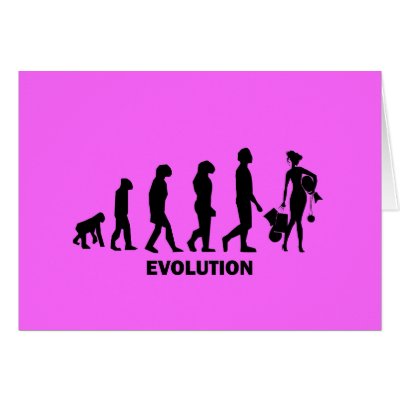
 

Our ancient behaviors are echoed in present day shopping mannerisms.  Men generally know what they want before shopping, and shop alone, not paying much attention to anything else than their goal. As soon as they purchase their item, they leave and don’t bother to look around anymore. On the other hand, women are more likely to look through a greater selection of things, even if they were only planning to buy one item, as well as shop as a social activity. Also, because of their traditional role as caretaker, women are more likely to comparison shop, looking for the best quality goods for their family as they may have once strove to find the tastiest berries or the cleanest water. As quoted in Terry O’Reilly’s Age of Persuasion podcast from CBC,  a study by GE Money revealed that women make 301 shopping trips a year, lasting a total of almost 400 hours. This breaks down to an approximate eight years of a woman’s life spent shopping!

Over the past few decades, marketers have clued in to this ‘caveman psychology’, and now know the value of women as a demographic. Women are much more likely to pay attention to brand image and messaging, and, thus, women are the target demographic of most commercials-for example, I’m pretty sure Kenwood wouldn’t run this ad now:

As professor of marketing at Wharton Steven J. Honch has stated, “Women think of shopping in an inter-personal, human fashion and men treat it as more instrumental. It’s a job to get done.” This realization is the basis of female-oriented business strategies, especially in our technological age. For example, online sales are now a huge component of  sales techniques, fulfilling a woman’s need for wide selection and easy browsing, as well as the incorporation of social media through sites like Pintrest and Twitter, which satisfies a woman’s desire to make shopping a social activity. As well, marketing is getting more and more targeted, with sites like Facebook offering personalized advertising to your interests, which plays into a woman’s need for personal investment in her shopping experience.

As we move into the future, you have to wonder- will this trend of advertising to women continue, or will marketing and retail strategies shift to be more equal between the genders? It seems that, for now at least, women will continue to be the most sought after demographic for marketers- and rightly so.


References:

http://www.practicalecommerce.com/articles/3222-Behavioral-Differences-Between-Men-and-Women-Influence-Shopping

http://knowledge.wharton.upenn.edu/article.cfm?articleid=1848

O’Reilly, Terry, auth. “Men Are From Sears, Women Are From Bloomingdales” The Age of Persuasion. CBC Radio, 01/14/12. web. 5 Oct 2012.

Categories
Uncategorized

Advertising to Minorities- Risky or Visionary?


Recently, there has been some controversy in the retail community over print advertisements for JCPenney. Joining other progressive companies like the Gap, Ray Ban and Urban Outfitters, JCPenney has begun showing non-traditional families in their marketing- ie. homosexual partners and their children. The original ad, pictured above featuring homosexual mothers with their daughters, was intended to be a promotion for Mother’s Day. In particular, this ad caused an uproar with the group ‘One Million Moms’, who claimed that JCPenney was “continuing on the same path of promoting sin”, and encouraged consumers to boycott the store. This conservative group has previously opposed JCPenney for choosing talk show host and gay-rights activist Ellen DeGeneres as a spokesperson.

In response to hostility from conservative elements, JCPenney released another advertisement, this time for Father’s Day, featuring two gay dads with their children, entrenching themselves even more firmly as pro-gay rights. Though JCPenney’s ads are much less shocking than, say, some United Colors of Benetton  ads, JCPenney remains under attack from groups touting so-called ‘traditional’ values.

Putting aside my personal feelings about discrimination against homosexuals, one has to wonder if taking such a strong stance on a controversial issue is a good business move for JCPenney? Sadly, this new marketing strategy has seen a dip in JCPenney’s stock; however, though it’s a risk to alienate some potential clients, I believe that many times a simple statement of belief can create more brand loyalty and recognition than flyers, in-store credit cards and catchy jingles alike. Though they may have seen an initial drop in stock price by joining other progressive retailers like the Gap, Ray Ban and Urban Outfitters in showing non-traditional families in marketing, I believe over the long run JCPenney’s willingness to portray the diversity of their clientele will pay off. Even as groups like One Million Moms crow over their success due to the fall in stock prices since JCPenney began its inclusionary campaigns, customer satisfaction and goodwill towards the brand climbs. Hopefully, JCPenney will soon see a return on their investment towards a more tolerant tomorrow.

References:

http://bruni.blogs.nytimes.com/2012/06/20/penneys-gay-wager/

http://www.huffingtonpost.com/2012/05/13/jcpenney-gap-gay-advertising_n_1510567.html

http://newsfeed.time.com/2012/06/03/anti-gay-group-slams-jcpenneys-over-fathers-day-ad/

http://onemillionmoms.com/

Categories
Uncategorized

The Name of the Game: Can a Brand Become Too Recognizable?

In general, public recognition of a brand name is incredibly desirable to a company, but, sometimes the name of the brand becomes so prolific that it comes to refer to products of that type, rather than the brand itself.

For example, when was the last time you said, “Hey, can you pass me a facial tissue?”

You’d be more likely to say “pass me a Kleenex”, right? Here’s the catch: though, on one hand, Kleenex would be gratified with your strong memory of the brand, if you use the term ‘Kleenex’ to refer to any facial tissue, Kleenex has cause to worry. If the word ‘Kleenex’ is judged to to colloquially refer to tissues of any generic brand, Kleenex could lose their trademark and no longer have the exclusive right to use the name ‘Kleenex’.

This is a worry echoed by many other brands. For example, Band-Aid has changed the lyrics to their jingle from “I am stuck on Band-Aid”, to “I am stuck on the Band-Aid brand“, as part of their efforts to save their brand from becoming genericized. The same fear has struck Google as well, as evidenced by this blog post.

The list of genericized brands that have lost their trademark include some familiar words you may not even realize were once brands, like:

  • Asprin
  •  Escalator
  • Petrol
  • Zipper
  • Thermos

and many more

When does a brand become too successfully associated with their product? Is there anything companies can do to prevent ‘identity theft’? Is there any real way to prevent consumers from using your product name colloquially? It seems clear that this is a case where different departments (legal and marketing, for example) would have to work together to protect a brand’s interests.

References:

O’Reilly, Terry, auth. “Genericide: When A Brand Becomes Generic.” The Age of Persuasion. CBC Radio, 06/05/11. web. 27 Sep 2012.

Spam prevention powered by Akismet