fun facts


آیا میدانید : کمبوجبه فرزند کورش بدلیل کشته شدن 12 ایرانی در
 
مصر و اینکه فرعون مصر به جای عذر خواهی از


ایرانیان به دشنام دادن و تمسخر پرداخته بود ، با 250 هزار


سرباز ایرانی در روز 42 از آغاز بهار 525 قبل از میلاد


به مصر حمله کرد و کل مصر را تصرف کرد و بدلیل آمدن


قحطی در مصر مقدار بسیار زیادی غله وارد مصر کرد .


اکنون در مصر یک نقاشی دیواری وجود دارد که کمبوجیه را


در حال احترام به خدایان مصر نشان میدهد. او به هیچ وجه


دین ایران را به آنان تحمیل نکرد و بی احترامی به آنان ننمود


آیا میدانید : داریوش کبیر با شور و مشورت تمام بزرگان


ایالتهای ایران که در پاسارگاد جمع شده بودند به پادشاهی


برگزیده شد و در بهار 520 قبل از میلاد تاج شاهنشاهی


ایران رابر سر نهاد و برای همین مناسبت 2 نوع سکه طرح


دار با نام داریک ( طلا ) و سیکو ( نقره) را در اختیار مردم


قرار داد که بعدها رایج ترین پولهای جهان شد


آیا میدانید : داریوش کبیر طرح تعلمیات عمومی


سوادآموزی را اجباری و به صورت کاملا رایگان بنیان


گذاشت که به موجب آن همه مردم می بایست خواندن و نوشتن


بدانند که به همین مناسبت خط آرامی یا فنیقی را جایگزین خط


میخی کرد که بعدها خط پهلوی نام گرفت

.
آیا میدانید : داریوش در پایئز و زمستان 518 – 519 قبل


از میلاد نقشه ساخت پرسپولیس را طراحی کرد و با الهام


گرفتن از اهرام مصر نقشه آن را با کمک چندین تن از


معماران مصری بروی کاغد آورد


آیا میدانید : داریوش در سال دهم پادشاهی خود شاهراه بزرگ


کورش را به اتمام رساند و جاده سراسری آسیا را احداث کرد


که از خراسان به مغرب چین میرفت که بعدها جاده ابریشم نام


گرفت


آیا میدانید : اولین بار پرسپولیس به دستور داریوش کبیر به


صورت ماکت ساخته شد تا از بزرگترین کاخ آسیا شبیه سازی


شده باشد که فقط ماکت کاخ پرسپولیس 3 سال طول کشید و


کل ساخت کاخ 80 سال به طول انجامید


آیا میدانید : داریوش برای ساخت کاخ پرسپولیس که نمایشگاه


هنر آسیا بوده 25 هزار کارگر به صورت 10 ساعت در


تابستان و 8 ساعت در زمستان به کار گماشته بود و به هر


استادکار هر 5 روز یکبار یک سکه طلا ( داریک ) می داده


و به هر خانواده از کارگران به غیر از مزد آنها روزانه 250


گرم گوشت همراه با روغن – کره – عسل و پنیر


میداده است و هر 10 روز یکبار استراحت داشتند


آیا میدانید : داریوش در هر سال برای ساخت کاخ به کارگران


بیش از نیم میلیون طلا مزد می داده است که به گفته مورخان


گران ترین کاخ دنیا محسوب میشده . این در حالی است که در


همان زمان در مصر کارگران به بیگاری مشغول بوده اند


بدون پرداخت مزد که با شلاق نیز همراه بوده است

آیا میدانید : تقویم کنونی ( ماه 30 روز ) به دستور داریوش


پایه گذاری شد و او هیاتی را برای اصلاح تقویم ایران به


ریاست دانشمند بابلی “دنی تون” بسیج کرده بود . بر طبق تقویم


جدید داریوش روز اول و پانزدهم ماه تعطیل بوده و در


طول سال دارای 5 عید مذهبی و 31 روز تعطیلی رسمی که


یکی از آنها نوروز و دیگری سوگ سیاوش بوده است


آیا میدانید : داریوش پادگان و نظام وظیفه را در ایران پایه


گزاری کرد و به مناسبت آن تمام جوانان چه فرزند شاه و چ


ه فرزند وزیر باید به خدمت بروند و تعلیمات نظامی ببینند تا


بتوانند از سرزمین پارس دفاع کنند

آیا میدانید : داریوش برای اولین بار در ایران وزارت راه –


وزارت آب – سازمان املاک -سازمان اطلاعات – سازمان


پست و تلگراف ( چاپارخانه ) را بنیان نهاد


آیا میدانید : اولین راه شوسه و زیر سازی شده در جهان توسط


داریوش ساخته شد

آیا میدانید : داریوش برای جلوگیری از قحطی آب در


هندوستان که جزوی از امپراطوری ایران بوده سدی عظیم


بروی رود سند بنا نهاد

آیا میدانید : فیثاغورث که بدلایل مذهبی از کشور خود گریخته


بود و به ایران پناه آورده بود توسط داریوش کبیر دارای یک


زندگی خوب همراه با مستمری دائم شد

آیا میدانید : در طول سلطنت داریوش کبیر 242 حکمران بر


علیه او شورش کرده بودند و او پادشاهی بوده که با 242


مورد شورش مقابله کرد و همه را بر جای خود نشاند و عدالت را


در سرتاسر ایران بسط داد . او در سال آخر پادشاهی به


اندازه 10 میلیون لیره انگلستان ذخیره مالی در خزانه دولتی


بر جای گذاشت

*** داریوش در سال 521 قبل از میلاد فرمان داد : من


عدالت را دوست دارم ، از گناه متنفرم و از ظلم طبقات بالا به

طبقات پایین اجتماع خشنود نیستم


Categories
Course Material

Lion and Sun, a brief history

One of the recurrent themse in our architecture is the Lion and the Sun, the following link gives a brief history.. no need to thank me 😀

http://aftab.ir/articles/art_culture/cultural_heritage/c5c1235988226p1.php

Categories
Course Material

Greek Architecture

Greek architecture examples

Architecture in ancient Greece:

Greek life was dominated by religion and so it is not surprising that the temples of ancient Greece were the biggest and most beautiful.They also had a political purpose as they were often built to celebrate civic power and pride, or offer thanksgiving to the patron deity of a city for success in war.

The Greeks developed three architectural systems, called orders, each with their own distinctive proportions and detailing. The Greek orders are: Doric, Ionic, and Corinthian.

Doric
Doric Style
The Doric style is rather sturdy and its top (the capital), is plain. This style was used in mainland Greece and the colonies in southern Italy and Sicily.
Ionic
Ionic Style
The Ionic style is thinner and more elegant. Its capital is decorated with a scroll-like design (a volute). This style was found in eastern Greece and the islands.
Corinthian
Corinthian Style
The Corinthian style is seldom used in the Greek world, but often seen on Roman temples. Its capital is very elaborate and decorated with acanthus leaves.

Doric Order:

Parthenon

Parthenon – temple of Athena Parthenos (“Virgin”), Greek goddess of wisdom, on the Acropolis in Athens. The Parthenon was built in the 5th century BC, and despite the enormous damage it has sustained over the centuries, it still communicates the ideals of order and harmony for which Greek architecture is known.
Ionic Order:

Erechtheum

Erechtheum – temple from the middle classical period of Greek art and architecture, built on the Acropolis of Athens between 421 and 405BC.
The Erechtheum contained sanctuaries to Athena Polias, Poseidon, and Erechtheus. The requirements of the several shrines and the location upon a sloping site produced an unusual plan. From the body of the building porticoes project on east, north, and south sides. The eastern portico, hexastyle Ionic, gave access to the shrine of Athena, which was separated by a partition from the western cella. The northern portico, tetrastyle Ionic, stands at a lower level and gives access to the western cella through a fine doorway. The southern portico, known as the Porch of the Caryatids (see caryatid) from the six sculptured draped female figures that support its entablature, is the temple’s most striking feature; it forms a gallery or tribune. The west end of the building, with windows and engaged Ionic columns, is a modification of the original, built by the Romans when they restored the building. One of the east columns and one of the caryatids were removed to London by Lord Elgin, replicas being installed in their places.

Temple of Apollo at Didyma

The Temple of Apollo at Didyma – The Greeks built the Temple of Apollo at Didyma, Turkey (about 300 BC). The design of the temple was known as dipteral, a term that refers to the two sets of columns surrounding the interior section. These columns surrounded a small chamber that housed the statue of Apollo. With Ionic columns reaching 19.5 m (64 ft) high, these ruins suggest the former grandeur of the ancient temple.

The Temple of Athena Nike

Corinthian Order:

The temple of Zeus

– most ornate of the classic orders of architecture. It was also the latest, not arriving at full development until the middle of the 4th cent. B.C. The oldest known example, however, is found in the temple of Apollo at Bassae (c.420 B.C.). The Greeks made little use of the order; the chief example is the circular structure at Athens known as the choragic monument of Lysicrates ( 335 B.C.). The temple of Zeus at Athens (started in the 2d cent. B.C. and completed by Emperor Hadrian in the 2d cent. A.D.) was perhaps the most notable of the Corinthian temples.

Categories
Course Material

High Buildings in Iran

Hi all,

here is a short summary of high buildings and structures in Iran that I found quite interesting. 🙂

http://www.iranchamber.com/architecture/articles/short_history_highbuildings_iran.php

Categories
Course Material

Website on Tehran

You guys can find a wealth of information on this webiste, http://tehrannama.blogfa.com/, the only catch being that you have to be able to read Farsi.

Categories
Course Material

This is for all of our esfahanii classmates lool

loool for all our esfahani students!!

Categories
Course Material

Bandar Abbas

Hello 🙂

Since we didn’t talk about Bandar Abbas, I though its worth mentiong a breif information about it.

Bandar Abbas

Name: Perpetuating the memory of Shah Abbas the Great who founded the town after his naval victory over the Portuguese off Hormoz. Previously called Gameron or Qamerun. Situation and access: Altitude: sea level. Port in the middle of the straits linking the Persian Gulf to the Sea of Oman. 500 km to the south of Kerman by excellent road. Airport: regular flights by Iran Air. Railroad projected.

A combination of social, commercial, military, political imperatives and tourism – have turned Bandar Abbas into one of those Iranian towns where the desire of the centeral government to modernize and develop even the most outlying provinces as keenly as the big urban centers is the most manifestly spectacular. Controlling the Straits of Hormoz, one of the world’s neuralgic areas, Bandar_e Abbas occupies a strategic position of the greatest importance. In the 16th century already (in 1520 to be precise) the Portuguese, intent upon protecting their Indian Empire, took possession of the Isle of Hormoz. They were expelled in 1622, after a tough naval battle, by Shah Abbas the Great who founded the town which has been bearing his name ever since. At the present time, when the world’s mightiest tankers sail past its waterfront almost in bucket-chain fashion, Bander Abbas represents a trump card for world peace.

Close to the Arab world and, through the Sea of Oman, open to the oceans of Asia, Bandar Abbas is the natural maritime outlet for Iran. On the beach of the village of Tiab, some 100 km farther east, porcelain shards of great antiquity may be found, showing that the Chinese had one known this sea-route. Its significant today is enhanced by the modern docks which have been excavated there; cargoes of all nationalities call at the port to unload cement and cereals, motor vehicles and machinery.

“Traditional Architecture of a Mosque in Kish Island ”

A few hundred yard out at sea scores of fishing barges and small Arab sailing boats, with tall prows and forecastles reminiscent of another age, seem to be looking on indifferently. Their sombre silhouettes resemble the outlines of a fortress on the island of Qeshm after which they have been named. A considerable part of the local population lives on the proceeds of its fishing activities. They still employ the traditional net, but soon modern methods of preservation and transport will permit Iranian coastal fishing to be extended and brought up-to date. The drying sheds worked by wood smoke which the Danes installed a long time ago are now shown in the curing plants as mere museum pieces. Meanwhile the animal life of those warm seas, not yet overly polluted despite the presence of oil-tankers, is being studied in specialized laboratories. The great damp heat does not start before May and becomes unbearable only between June and September. The beaches are covered with silky sand, cleansed by fairly ample tides. Their gentle slope provides a safe playground for children.

“A view of Kish Island”

Another local tradition, which is bound to disappear within a very few years, are the masks worn by some old women. They are fairly hideous, semi-rigid contraptions, surrounding eyes and cheek-bones and covering the nose. They remind one of the facial armour worn by the Greek soldiers of Antiquity. But although this coastal area must have witnessed the homeward march of Alexander’s exhausted columns, it would be too bold perhaps to trace these masks back to Alexander’s soldiers! The Iranians maintain that no religious taboo explains the wearing of these masks: rather is it a fashion which originates from the period of the Portuguese occupation when ladies wished to walk about unrecognized or simply to protect their complextion from the scorching sun.

Categories
Course Material

Darvazeh Ghoran

Hello,

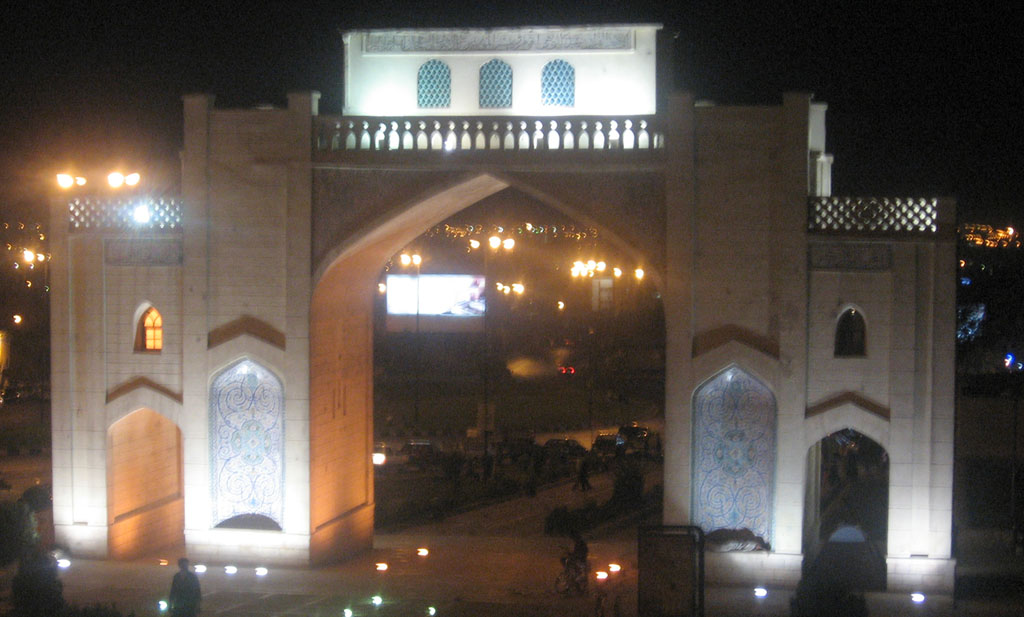
bellow is a brief information about Darvazeh Ghoran in Shiraz.

Darvazeh Ghoran (The Koran Gate) was originally built as an ornamental entrance to the northern sector of the town about 1,000 years ago. Karim Khan Zand placed a volume of the holy Koran in the small room built on the top of the gate so as to bless those who pass under it guarantee them a safe return to their abode. The original gate was demolished in the early fifties and a local merchant erected the present one on its site.

Categories
Course Material

HAFIZ

Here’s a website about Hafiz:


http://www.tebyan.net/index.aspx?pid=27373


I know Farzad has covered him very well.

this is just a summarized version of what he’s talked about.


Special thanks to Farzad and Lena

Categories
Course Material

ROMAN ARCHITECTURE

We have talked all about Iranian architecture…

There were times we were referring to roman architecture or european ones…

Following link is a brief intro to the types mentioned above


http://www.2020site.org/rome/


I know you love it!


Arya

Spam prevention powered by Akismet