[i didn’t know there was a word limit when I note this, short version 2 posts above]
I’m sure you’ve all heard about this controversy in the beginning of the year, with all those tree-hugging Priuses trying to end their boring, miserable lives by going high before they crash and burn along with their drivers. Although there’s already extensive coverage on unintended acceleration and other general quality issues with Toyota, I’d like to point out that this problem is actually not that big of a deal.
Yes, you can argue that the Toyotas in question did claim more than a couple of lives, but out of all those Toyota vehicles out there around the world, the handful of cars that are going astray probably does not even account for one percent of the millions of vehicles they churn out every year. What’s interesting too is that after one incident makes it on to the news, the reports of similar incidents increase almost exponentially (ok a lil sarcasm here haha).
In this Forbes article by Michael Fumento, he questions the validity of the claims covered by the media and analyses the discrepancies within some widely reported cases, specifically the adventure of the Jim Sikes and his disobedient Prius which took him 23 minutes to slow the car down after the police went in front of him. In addition to Sike’s sketchy report on the whole incident, his less than stellar background of his life makes his story even less believable. Through this example, Fumento argues it isn’t entirely Toyota’s faulty cars that are responsible for Sikes’s success to receive national attention, it’s the extensive media attention given to the whole Toyota crisis that allowed Sikes to successfully plant his story to the public in hopes of receiving compensation from Toyota Motor Corp. Similar articles on the web point to similar conclusions, and this post on Jalopnik reveals Toyota isn’t the first manufacturer to fall victim to the false automotive media hype: Audi was under the same limelight in the late 80’s.
So, who’s at fault here? Certainly Toyota’s responsible for their faulty products and they must compensate those families who have lost someone dear to them; however I believe the astronomical damage has been done to Toyota over a problem that occurs every year, not just in Toyotas is unfair for the company, which forked out billions of dollars from lawsuits, all because of extensive media coverage and people who try get large sums of money from lawsuits.
What I find most interesting is that despite sufficient proof that most cases with unintended acceleration cares are hoaxes, trusted news outlets still attempt to generate unneeded fear, whether the actual situation already passed half a decade ago, or whether it’s relevant to the whole crisis. Heck, they even make attempts to rig a car just to grab attention on the headlines or find something to talk about in their news programs. Surprisingly, blogs and online media, sources that are often considered “unreliable” by academic institutions, are the sources that seem to analyse the whole situation and judge it accordingly with reasonable explanation.
Has media gone too far for their self interest? In this particular case it may seem so, but in a society that allows freedom of speech it is difficult to regulate information control. Guess we as readers have to use our own judgement to figure out what’s true and what’s not.
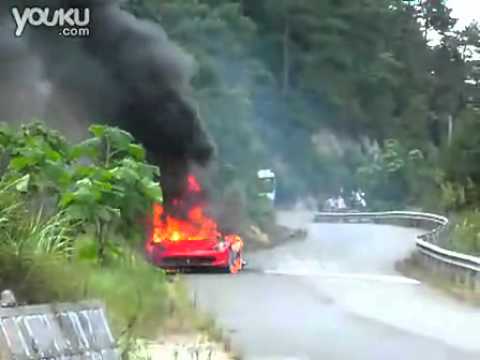
On a side note, I believe those combusting 560hp 458 Italia’s that recently received a recall are far more dangerous than those 110hp accelerating Priuses…