Categories
Uncategorized

How Wechat well played in SNS platform.

While Alibaba and Jack Ma became leading giant of Chinese B2B and B2C market, Wechat business has enter the game and became a threaten competitor of Taobao.

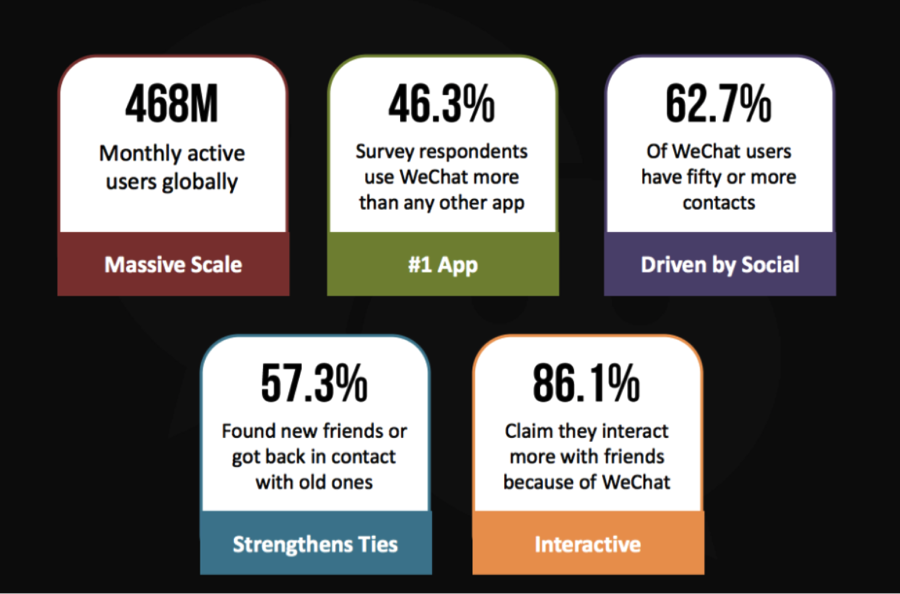
WeChat is a voice and text communications app released in 2011 by Chinese investment holding company Tencent Holdings Limited. As of 2015, WeChat has 549 million monthly active users with 1.1bn registered accounts worldwide. 100m of users are based outside of China. In 2014, WeChat restricted the number of friends a single user could have to 5,000.

Here’s some Stats about wechat:

  • 46% of Chinese users have made WeChat their number one app (Source: Technode)
  • 80% of Chinese users follow an official account (Source: Technode)
  • $15.3bn in mobile data consumption was driven by Chinese WeChat users in 2013 (Source: Technode)
  • WeChat is estimated to be worth $100bn (Source: Forbes)
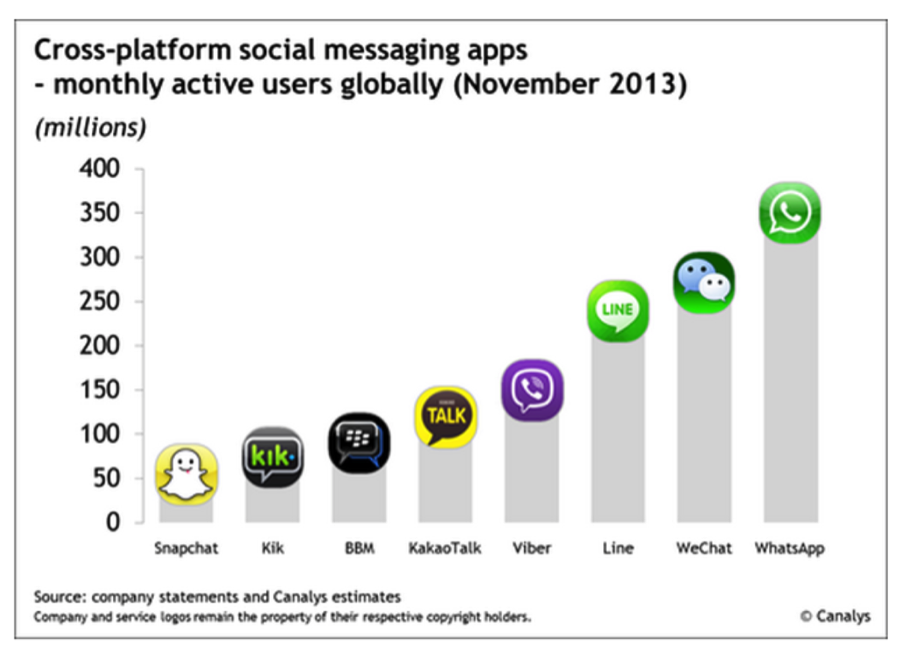
wechat

Source: canalys.com

wechat1

Source: Technode.com

As the most popular SNS tool used in China. Wechat has a function called “Moment” that users can publish their stories and photos. So, besides being used to send message, wechat also allow the users to share their stories/photos to their intimates, which brings a huge opportunity to business.

As we learnt in marketing, the word of mouth is the most effective advertising and that’s how Wechat played to build their business. And it’s especially important to social media marketing by considering target millennial customers. So, by promoting product in Moments, the Wechat business grows dramatically.

However, what interesting is they already took action to against Alibaba long times ago. When Wechat plans to enter e-business market, what they did in the first place is to banned the direct link to Taobao. Which means, 1.1bn registered users cant log in Alibaba and Taobao through Wechat.

 

Categories
Uncategorized

When millennials become parents

Untitled

By looking at 22 million millanial parents in America with about 9,000 babies born to the each day, TIME and Survey Monkey conducted a poll of more than 2,000 U.S. parents with children under the age of 18. Respondents answered questions on everything from social media use to food to names in order to understand what makes this generation different from Generation X and baby boomers.

Here are some Stats I found interesting:

-Nearly 90% of Millennials use social media (compared with 76% of Gen X-ers and 59% of Boomers).

-46% of Millennials posted a pic of their youngest child either while in the womb or before the baby was 1 day old (compared with 10% of Gen-Xers).

-Millennials are less likely to put marriage before the baby carriage, with 42% saying it’s “very or extremely important” to do so. Meanwhile, 51% of Boomers and 49% of Gen-Xers valued marriage before kids.

-61% of Millennial parents believe their kids need more unstructured playtime, according to a 2013 report by FutureCast, and only 21% view their children as “overscheduled.”

-60% of Millennial parents wanted to choose a baby name that was unique, compared to 44% of Gen-Xers and 35% of Boomers.

“Millennials are often inaccurately portrayed through the prism of youth and all the character traits that go along with it—narcissism, rebellion and entitlement to name a few,” said Jeff Formm  EVP, Barkley

Contrary to popular misconception, the millennials I know have a perspective and drive that may put them in a perfect position to raise the next greatest generation.

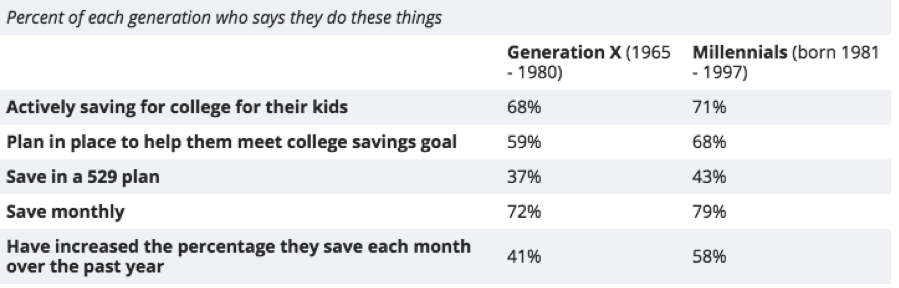
And another new study suggested that, in terms of finance and debt, the children of millennials maybe better prepared financially for colleges because more millennial parents are saving for their kids to go to college than generation X parents are.

Untitled11

The reason behind that is many millennials graduated with a lot of student debt (the Financial Finesse survey showed that the average student loan debt burden for people in their 20s is up 60% since 2005) — and thus may be more inclined to help their kids avoid this fate. “More than any other generation, millennials have experienced first-hand the balancing act of paying off student loans while striving to become financially independent, which has likely propelled many of them, as parents, to take action,” the Fidelity report revealed.

Source: Fidelity Investments


Spam prevention powered by Akismet