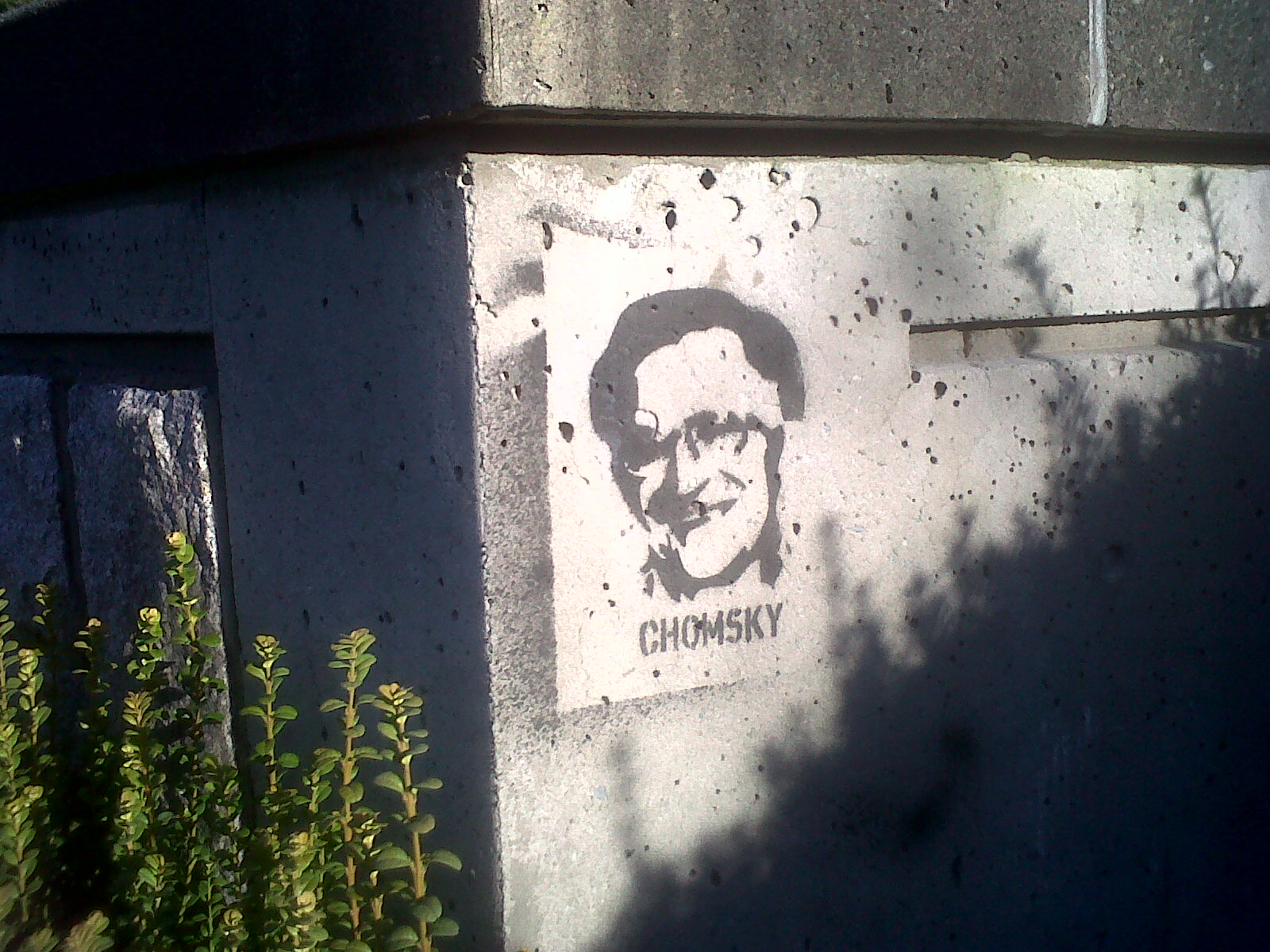

While many might not recognize this, this graffiti is a reference to the popular video game Half Life. I initially found it amusing; the dichotomous mixture of gaming to the rogue medium is an awkward combination. However, the more I analyzed it, the more I realized it actually serves as a testament to both the mainstream popularity of geek and graffiti culture.
Recently, graffiti has gained a wider appreciation of the public and participation. According to Richard Lachmann, graffiti is no longer solely by underground political activists, and has since become a collective medium shared by a wide range of artists. (Lachmann 239) Nonetheless, the symbolic themes of graffiti still hold true: freedom of expression, rebellious portrayal and the essence of breaking the cultural norms of society. (243)
Through graffiti, geek fans are sending a message, but one that is less politically motivated and more grounded in a social validation for their video game fandom. Tagging and graffiti in public areas is not merely art, it carries the prospect for wider public recognition and appeal. (Tadai 11) Through graffiti, geeks are demonstrating that their fandom not only deserves public display, but additionally gives the work street credence and a genuine “coolness”. (14) By cementing an iconic video game symbol on an abandoned house with the rebellious and socially deviant medium as graffiti vandalism, these graffiti geeks demonstrate the rebellious nature of their culture.
Using graffiti, these geeks argue their love is not something simply for socially distant intellectuals but should be respected by anyone.
[Citation Needed]
Lachmann, Richard. “Graffiti as a Career and Ideology.” American Journal of Sociology. 94.2 (2010): 229-250. Print..
Tadai, Mindy. “The Clashing of Culture and Capitalism in Graffiti.” Beautiful Losers. Ed. Aaron Rose. 2cd ed. Chicago: 2004. 10-15. Print. <http://wrt-intertext.syr.edu/xv/beautifullosers.pdf>.
Image provided to me by a friend in CA

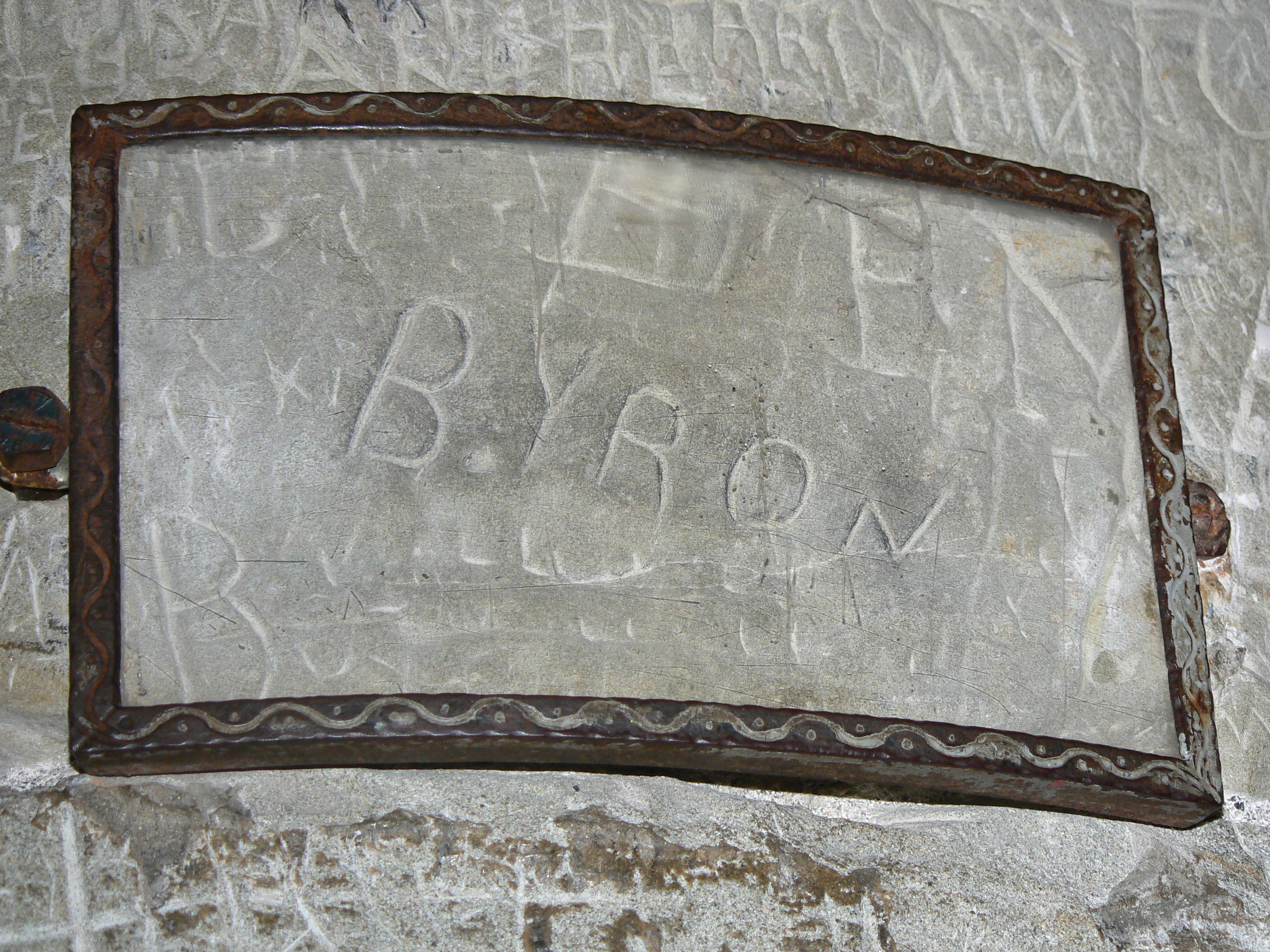



 Whether it is racism, sexism, homophobia, or just about anything we deem offensive, it can be found on the wall of a bathroom stall. Bathroom graffiti has become a prominent method of sharing explicit and often unacceptable ideas or words in our culture. As these words or ideas become less acceptable in our daily conversations, they begin to appear more frequently in public bathroom stalls (Gonos et. al. 1976:42). Bathroom stalls provides the level of anonymity required to give graffiti artists full freedom to express all their thoughts that are often suppressed or considered taboo by the general public (Gonos et. al. 1976:42). Various unacceptable words are expressed in this graffiti image (found on the lower floor or Koerner Library), one may note the use of the words “fag” and “chinks” which would not openly be stated in public by anyone without anonymity due to their offensive nature. Another form of expression found in this image is an attempt to arrange sexual contact by providing a phone number and offering a service. This type of advertisement is common in bathroom stalls across America (Gonos et. al. 1976:43). One may also note an anti UBC statement in the middle of the image. All of these statements support the idea that bathroom stalls have become a forum for the expression of words and ideals that are suppressed in public (Gonos et. al. 1976:48). Regardless of their offensive nature, bathroom stalls provide an important place where those who disagree with social norms may anonymously state their controversial opinions without consequences.