Categories
Uncategorized

beCAUSE it increases sales…?

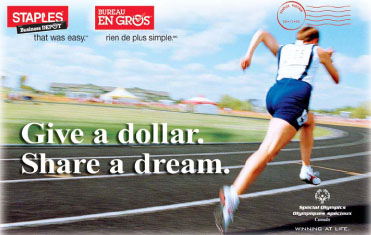
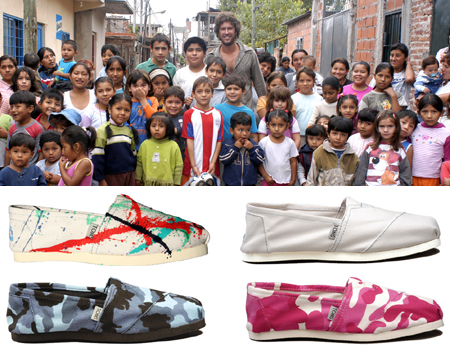
I was just perusing my classmate Kim’s blog, which was recommended to me a while ago, when I stumbled upon this post relating to cause-related marketing; specifically, Toms shoes (https://blogs.ubc.ca/kimgraves/2010/09/22/cause-marketing/).  Now, I mean absolutely no offense to Kim at all when I say that I disagree with her standpoint on the benefits of cause-related marketing; I did enjoy looking at her blog and seeing the inventive ads that she had found.  Still, there are some points about the idea of cause-related marketing that just do not sit well with me as an individual.

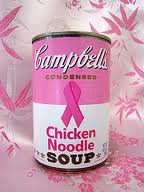
Within itself, the idea of products being marketed to fund a cause is seemingly a wonderful idea; after all, if a product is going to be purchased by a consumer, then why not allow the profits to benefit a non-profit organization or fund vital research? However, the problem arises when firms intentionally or unintentionally use the cause that is being championed as a method to enhance their own profits first and foremost. There are examples of firms latching onto the causes of non-profit organizations to try and improve poor company images or public relations.  There are instances in which the advertising costs for the initiative are higher than the amount that is donated to the non-profit in the end – although definitely not lower than the firm’s overall profit from the initiative.  And, most significantly, the amount being donated is often only a fraction – say, 5% – of the cost of the product being sold.

I understand that firm’s must seek to cover their own costs first, but at the same time, the amount of business that cause-related products is significant.  From my own experience running events, when it is stated that an amount close to 30% of the proceeds are being donated to a charity, attendance has improved significantly, sometimes by as much as 50%. Are businesses, and not charities, the ones who are benefiting from these initiatives?

Of course, any non-profit organization appreciates a significant donation, and any money is better than none.  As well, consumers are much more likely to purchase a Project(Red) iPod Nano for $189.00 than they are to donate a portion of this amount to a non-profit organization. Despite the argument that the middleman should be eliminated, the presence of this corporate middleman clearly is helpful.

What I am trying to say is that while they ARE making a difference, for many of these firms the difference they are making is miniscule compared to the potential impact they could have. I am not opposed to cause-related marketing as a practice; rather, I am simply asking consumers to view the practice with a bit more skepticism to ensure that the dollars intended to go to a charity actually end up there.

There is now a growing trend of corporate social responsibility, which is putting more pressure on firms to truly devote their efforts to social growth, not to simply pay lip-service by donating 1% of product sales and convincing consumers that they have made a significant difference in the world when there is so much more to be done.  Firms like Toms Shoes, which offer one pair of shoes to developing communities for every pair sold, are an example of the former, and their success will hopefully act as an inspiration for other firms engaged in these kinds of initiatives.

Or maybe me and my Toms-shod feet have just been a victim of cause-related marketing.
Categories
Uncategorized

NEW MARKET OPS: The Queer Market

In the constant quest for firms to expand, new markets are always on the radar.  As soon as a subculture becomes mainstream, as soon as an image becomes popular, as soon as an idea takes flight, or as soon as a country’s GDP reaches a certain level, they are suddenly transformed from a niche area into a full-fledged market that attracts the attention of all the firms within a stone’s throw.

One of these markets that is just starting to take off is the new level attention given to the formally named ‘queer market’, or less formally, the gay community.  I am not speaking about certain products that are made for individuals in the gay community; as long as the community has existed publicly, there have been products targeted towards its members.  After all, there are those market researchers who consider the gay man to be the dream consumer: “higher disposable income, education, good taste, and a desire to purchase high quality products.” (http://www.allbusiness.com/marketing-advertising/advertising/292447-1.html; check it out for a critical look at this stereotype and more ideas for marketing to the gay community) However, keep in mind that this stereotype by no means describes the entire gay population, and you understand the problems with painting the entire gay community with one brush when it comes to product design.

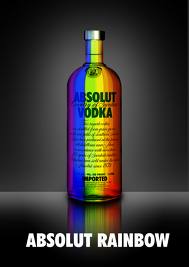
No, what I am speaking about here is the incorporation of gay symbols or images into the everyday advertising that typically tries to connect all customers.  See, for example, the Rainbow Absolut vodka bottle that was released in 2008 in honour of 30 years of the Rainbow Pride flag.  Or, as an alternative, the TD bank ads that portray the perfect couple and happy marriage as extending beyond the conventional man-woman relationship.

This incorporation of the gay community into mainstream society via marketing represents an important societal shift in that it conveys acceptance and equality, both of which the gay community are still striving for on many counts. This Wednesday, Oct. 20, is Spirit Day, created to demonstrate solidarity with the gay community and to encourage open and welcoming communities.  Events such as this, which has over 60,000 attendees on Facebook alone, are demonstrative of society’s changing perception of the gay community.  It only makes sense that the marketing world tap into this as well.

Categories
Uncategorized

shape+colour

So here is the link to a sweet blog that I’ve just begun following.  shape+colour is written by Jeremy Elder, an advertising copywriter who uses his blog both to comment on marketing stuff and also n general aesthetic successes that he sees in everyday life.  Jeremy brings a nice blend of business, social media and fine art sensibilities to all that he comments on, and he truly has an eye for the beautiful and the unique. shape+colour was also named one of Canada’s top 50 marketing blogs for 2010 by AdAge, which seems pretty good to me.

My favourite post of his is the one on the Gorillaz, one of my favourite bands, which was posted back in July… but take a look around his site, there is definitely something for everyone!

http://shapeandcolour.wordpress.com/

Categories
Uncategorized

H(arry)P(otter) Lovecraft

You know what I’m excited about? The new Harry Potter movie.  That’s right. Official release date is still over a month away, and yet I’m already getting tingles and spinal shivers just thinking about it.  The Harry Potter phenomenon is one that hits my generation particularly hard, as we have grown up with Harry, hit puberty as Harry has, fell in love when Harry has, and maybe not fought an evil wizard intent on global domination, but definitely faced down our own fears for the future. We love Harry and his cohorts.  We want to read about him, see him on the screen, go to his amusement park, and drink Butterbeers.

This is why the production team behind the Harry Potter films has made such a good choice in choosing to split the last book into two movies.  Not only will they assuage the typical book-to-movie complaints from fans regarding plot details, but they will be able to truly explore all of Harry’s growth into a mature and self-sacrificing individual (ahem, spoiler alert?) and devote the time needed to understand the nuances of character that occur along with all of the action.

O, and they will also be able to more than double their revenue while making fans even happier.

Dumbledore would approve.

YouTube Preview Image

Spam prevention powered by Akismet