Wrong. Age can be a number that creates frustration and complications for sports marketers.
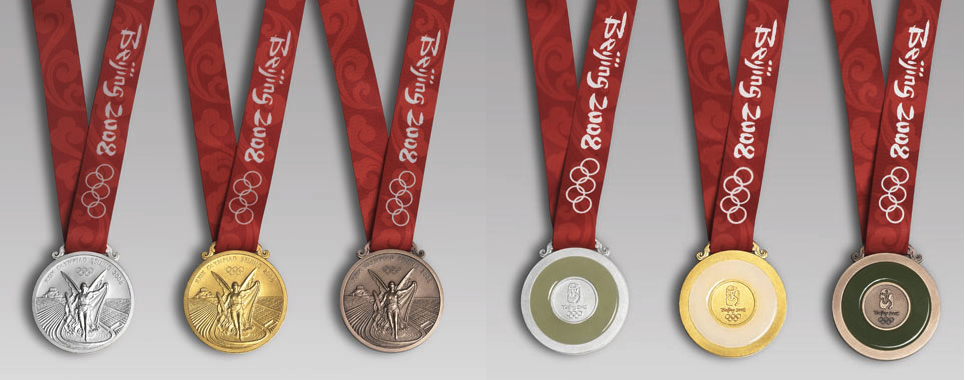 I am an avid spectator of the Olympic Games – more so due to the uncontainable patriotism than superior knowledge of competitive athletics, but I can still clearly remember the phenomenon that was the Chinese gymnasts in 2008. As a person of Chinese ethnicity, Beijing being awarded the bid many years ago was a unprecedented acknowledgement of the Communist country in a world dominated by democratic societies. China’s rise both economically and politically was undeniable, and I’m sure the IOC was pleased to be able to expand their Olympic brand, and their Olympics sponsors (such as Coca Cola) into untouched territory.
One of the key accomplishments of the Chinese Olympic team was showcased in the gymnastics disciplines. Their dominance was incredible – winning more medals than the following four ranking nations combined. They also achieved more gold medals than the United States won in gold, silver, and bronze medals totalled.

Then, controversy erupted.
Spectators and coaches of other teams suggested that female Chinese gymnasts were under 14 years of age, which violates the IOC guidelines that competitors must be at least 16 years of age while competing. Documentation discrepancies for some athletes were blamed on team-switching logistical errors, and eventually, the IOC appointed the FIG (Fédération Internationale de Gymnastique) to investigate the eligibility of the athletes. The situation was not resolved until October, 2008, when medal reshuffling was determined unnecessary.
This is only one of the marketing nightmares that arose out of the Beijing 2008 Games. Before the games, protests were ignited across the globe in response to Tibet’s cry for independence, and countries were even pressured to boycott the Games in defence of human rights. After a spectacular Opening Ceremonies, rumours that firework footage was pre-recorded and that a key performer was really lip-syncing to someone else’s voice broke out. These scandals are preventable. If Beijing had a more comprehensive and experienced marketing team, they could have avoided the controversy from their Opening Ceremonies which, for many people, overshadowed the very real fact that it was a spectacularly entertaining and aesthetically beautiful show.

Categories