Information may be Subject to Change
Time & Place
2026 Winter Term 1
Tuesdays & Thursdays
3:30pm to 5:00pm
2026 Winter Term 2
Tuesdays & Thursdays
2:00pm to 3:30pm
Language & Prerequisites
This course is taught in English and there are no prerequisites.
Live Stream
All our sessions will be streamed live.
Degree Requirements
This course fulfils the Place and Power requirement for UBC’s Bachelor of Arts degree.
Course Description
Settlers from Central and Eastern Europe played pivotal roles in the evolution of the modern Canadian state. Immigrants and refugees from present-day Ukraine and Russia – Ukrainians, Mennonites and Doukhobors – were a major factor in the settlement of the prairies. Poles, Czechs, Slovaks and Hungarians were welcomed to strengthen the labor force and to send a political message during the Cold War. The arrival of Jewish and Armenian refugees, on the other hand, precipitated conversations about Canada’s support for human rights across the globe.
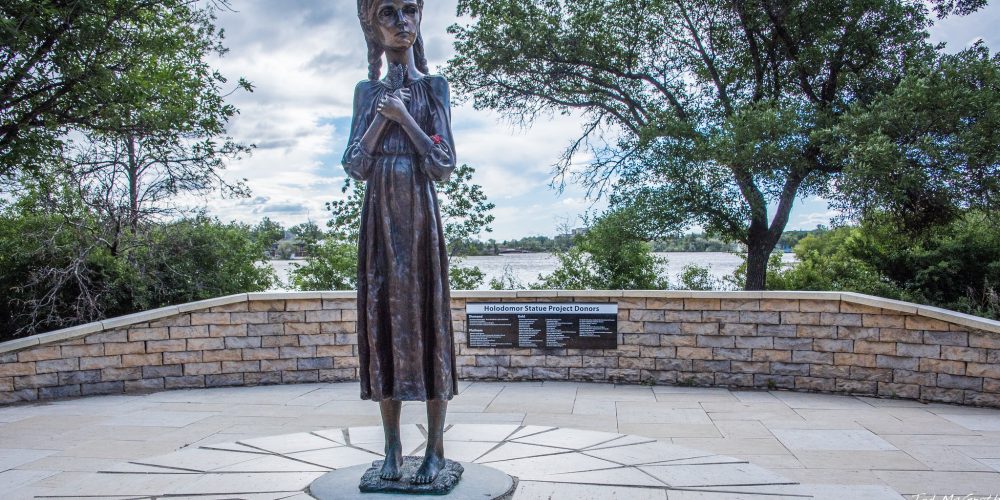
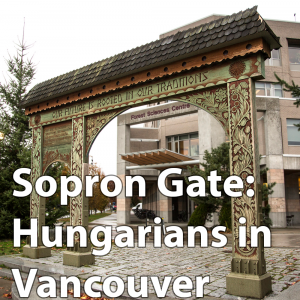
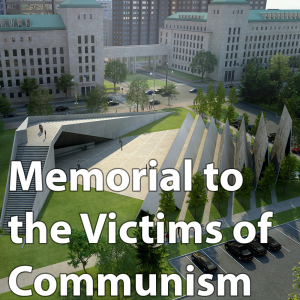
This course investigates monuments dedicated to these and other communities who immigrated from Central and Eastern Europe to Canada. Some of these monuments speak to memories that are integral to Canadian identity, such as the National Holocaust Memorial. Others, such as the Memorial to the Victims of Communism, represent interventions into controversial debates. We will examine the cultures of remembrance surrounding these public artworks from a variety of perspectives, including memory studies, art history, urban planning, cultural studies, postcolonial studies, and decolonization. At the same time, we will review the history that brought the settler communities from Austria, Czechia, Slovakia, Hungary, Poland, Ukraine, and Russia to Canada. Our focus will lie on communities and memorials that have featured prominently in public debates about Canadian identity over the past two decades.
Topics (Selection)
Click Images for More Information
Evaluation of Student Work
Two Midterm Exams (33% each)
Final Exam (34%)