Categories
Marketing Technology

Buick Shifts Gears

Daniel Barends’ blog entry about Blackberry’s brand repositioning attempts made me think of an even older brand currently reinventing itself. In both cases the idea is to attract new consumer segments, but can these brands really become everything to everyone, or will they end up meaning nothing to no one?

Not so long ago, the thought of driving a Buick would make many non-elderly people say “B-ew! ick!”. While I have always had a thing for large sedans (preferably with a vinyl roof and whitewall tires) General Motors agreed with those who saw a problem with the car division’s brand image. For the past few years, GM has used the 4Ps to reposition the conservative, affordable luxury Buick brand into a more youthful and up-market one.
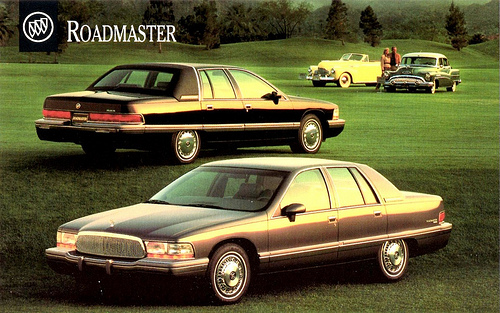
Buick was well known for its comfortable and conservatively styled models.

Product

Recent additions like the Enclave, the new Regal, and the Verano are more compact and style-oriented than their predecessors.
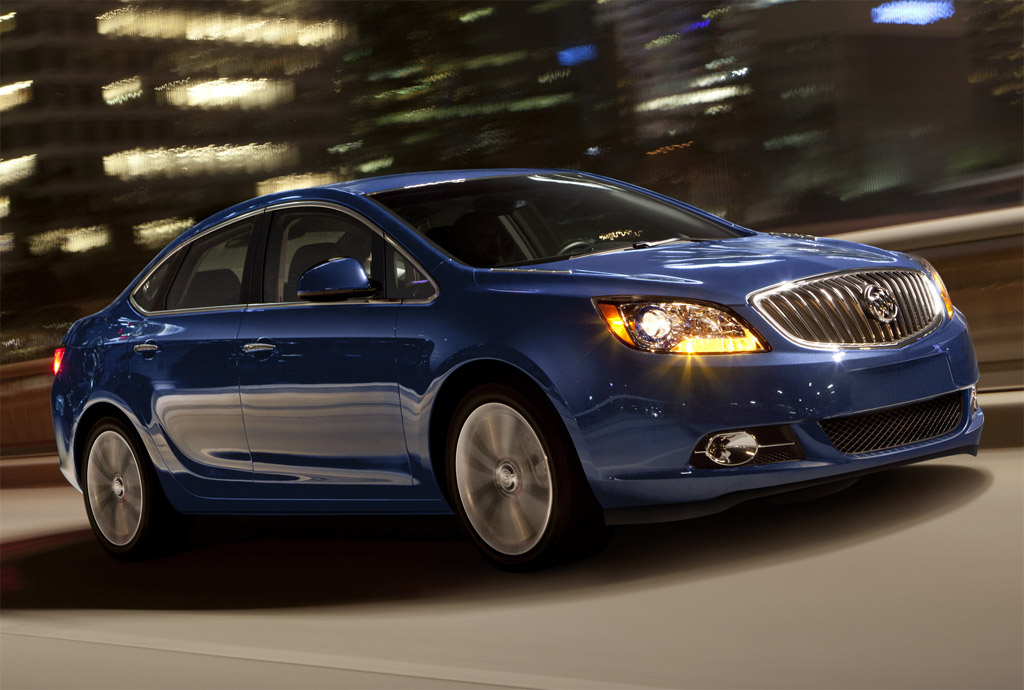
New models like the Verano feature more aggressive styling and sportier handling.

Price

The use of price incentives has been much lower with Buick than with the other GM brands. In addition, low-price fleet sales to car rental companies have been greatly reduced in order to improve resale value and shed the “rental car” image.

Place

In 2012 Buick introduced new design and amenity standards for its dealerships. Over the next few years, it hopes to have most of its 1,900 Buick/GMC dealerships renovated.

Promotion

No expense has been spared in communicating Buick’s new image. Famous middle-aged people like Shaquille O’Neal and supermodel Marissa Miller have been featured in advertisements, all of which stress the innovative features and stylishness of the new models.

So far the repositioning has slightly reduced Buick’s average buyer age and has increased retail sales by 80% since 2010. As for those of us who miss the old Buick, there is still hope that vinyl tops will make a comeback.

Categories
Technology

Chevy Volt Supply Chain Needs a Jolt

Image from egmcartech.com

General Motors’ “green” automobile is not bringing in much green.

Since before it was unveiled, industry experts questioned whether the plug-in electric Chevy could compete against popular hybrids with its $40,000 asking price. According to GM, the reception so far has been good. The Volt has managed to attract high income customers, 80% of whom are first-time Chevrolet customers.

So why is GM falling short of its goal of 10,000 sales in the first year?

One big reason is a slow supply chain. Hamtramck Assembly, the factory where Volts are assembled, only started to work at full capacity last month after being closed for four weeks for retooling. At the moment, over two thousand dealerships are still waiting for demo units to be able to begin selling the new car. With the one year anniversary of Volt sales just weeks away and sales at around 4500 units at the end of last month, GM will probably not reach its sales goal. The automaker is betting on the new technology however, and plans to produce 60,000 plug-ins in the next year when the Volt will be sold worldwide.

Categories
Financial Technology

Investors Sprinting from Sprint


Image source: nenfo.com

With market share falling, Sprint, currently the U.S’s 3rd largest wireless provider, is banking on technological improvements as well as the new iPhone to reverse its course. While in the long run the tactics may bring in new customers, the company is having to deal with shareholders who are unhappy with the short term outlook and who are doubting the worthwhileness of the investments. Overhauling Sprint’s sluggish 4G network will require the company to borrow substantial amounts of money, resulting in a negative cash flow for the next two years. Adding to the concerns is the fact that the carrier will be selling its iPhones at a loss, hoping to eventually profit from monthly charges.

In its strategy to gain more customers, Sprint has come up with some tactics that are sure to be effective as iPhones and faster service are in high demand. The conflict, however, arises from a disagreement on the time value of money. Investors are not satisfied with the profits they predict the upgrades will bring over the next few years.

It is safe to say that you will not be able to hear a “1-800-PIN-DROP” at a Sprint shareholders’ meeting anytime soon.

Spam prevention powered by Akismet