Categories
Editorial

App Store Pricing

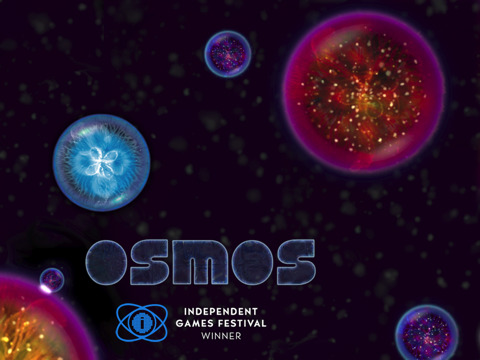
I was reading a blog post regarding the Apple App Store pricing model and how it affected the pricing strategy for Hemisphere Games’s iPhone/iPad title Osmos, and felt compelled to reply to the company.

The App Store is experiencing a very unique combination of competitor-based pricing and value-based pricing, which has put tremendous pricing pressure on developers. Since the barrier to entry in the App Store is very low (only $99.00 per year to release an unlimited number of apps on the store) and the developer tools to create apps are free, the store has seen a tremendous volume of apps since it opened in 2008. As a result, the competition for visibility on the store is intense, and prices have been forced downwards to the point that many believe pricing an app at anything above $0.99 is suicide. This has caused the perceived value of apps by consumers to drop considerably, regardless of the fact that many apps require large teams and upwards of 6 months in development time. The top selling $0.99 apps on the App Store have seen sales of up to 20 million copies, and as a result the pricing structure of the market has been sustainable. However, this structure is dependent on volume, and companies without a top 100 app are starting to find it difficult to recoup costs and turn a profit with such low prices.

To complicate matters further, Apple released the iPad this year with an App Store that is only partially separated from the iPhone/iPod Touch store. Developers now need to decide whether they release a “universal” app that is purchased once and works on the iPhone, iPod, and iPad, or release separate versions for each platform.

On their blog, Hemisphere Games addressed this issue very well, and although I agree fully with their reasoning, I had some additional ideas for a strategy that they could pursue.

I could probably write an entire essay on this topic, but for the time being I have kept it brief and to the point. Here is their blog post, and here are my comments on their strategy.

Categories
Reviews

Epic Citadel: Showcasing Epic’s Powerful New iPhone Engine


Epic games has created something truly amazing for the iPhone. At Apple’s latest press conference they showed off their Unreal game engine running on an iPhone, producing reflections, lighting, and textures that look more in line with what can be expected on an Xbox 360 than an iPhone. A demo of the tech, called Epic Citadel, is now available on the App Store and the results are stunning on an iPhone 4. The user can walk around a medieval castle and marvel as the sun casts realistic shadows on buildings, and trees sway in the wind, slowly dropping their leaves.

The engine can reproduce accurate reflections and shadows.

Epic Citadel is not a full product, and does not feature any real gameplay aside from walking around the environment and taking in the sights. However, hidden behind the lush visuals is a brilliant marketing strategy. By releasing a free demo before the engine is ready, Epic Games can increase developer interest in its platform, and promote the use of its engine to power their upcoming games.

If I was a game developer, I know I would want my game to look like this.

It really is amazing that games on the iPhone/iPod Touch platforms can look so realistic. Graphics like these were unthinkable on a personal computer ten years ago, and now they have already made the leap to portable devices. For more insight into the capabilities of Apple’s ever-shrinking, yet powerful, devices you can read Chang Jie’s Comm296 blog, and if you have an iPhone and would like to see Epic Citadel for yourself you can download it here.

Categories
Ads

Google Search Stories

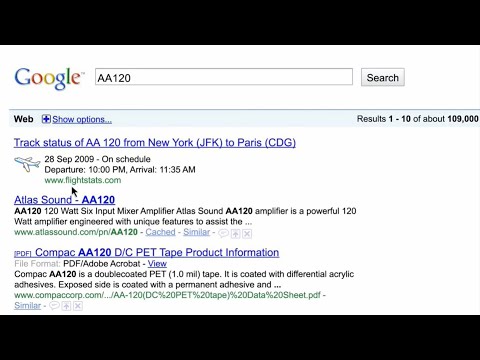
I’m going to begin my first blog post by linking to a really great ad campaign that started at the end of last year. The concept is very simple, but the ads really connect with the viewer on an emotional level as well.

When I first saw these Google ads there were just 3 Youtube videos that connected Google searches to real life situations, but now they have expanded the campaign to allow users to make their own versions of the ads. By doing so they are not only marketing Google search, but also promoting the use of Youtube: another one of Google’s services.

You can view the original ad below, or click here to view the full ad campaign.

YouTube Preview Image

Spam prevention powered by Akismet