Categories
Ads

Creative Advertising

I’ve collected a couple great ads this week to highlight some of the advertising concepts that we discussed in class. Many tech ads fail to break through the clutter into people’s awareness, let alone get them interested, but the ads below do a great job of both, by being creative and unique. Furthermore, they are effective at creating desire for the products they feature, and spurring consumer action.


This is an older ad, but it is an excellent example of a reminder ad. It features the recognizable hill from the original Windows XP wallpaper, but adds a man mowing the lawn and a small Norton Systemworks logo in the bottom right. The ad immediately caught my eye because it was something so familiar, and gets its point of taking care of your computer across very effectively.


This is a great example of an ad employing a very targeted pull strategy. It speaks directly to athletic individuals who like to bike, reminding them that the iPod Shuffle is a great device to exercise with.

YouTube Preview Image
This ad is both informative (it definitely gets the point across that the Google Chrome browser is fast) and creative. It gives the viewer a good reason to try out the browser, and addresses an issue that many have with their browsing experience: that it is too slow.

Categories
Editorial

Smartphone Subsidies


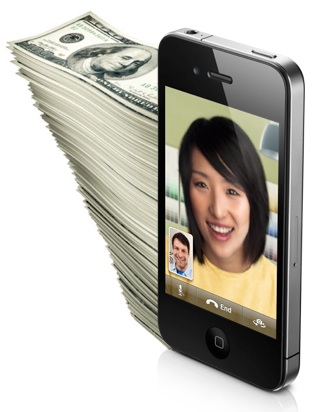
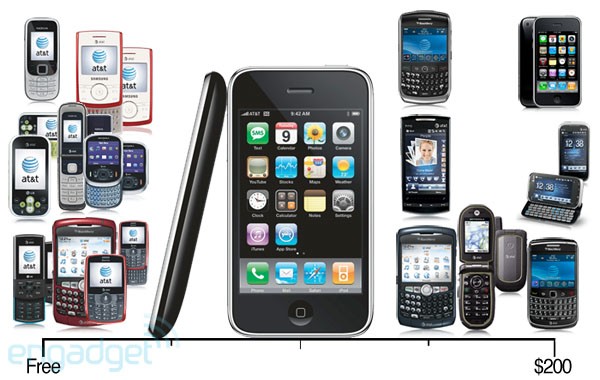
The market for smartphones has one of the most fascinating examples of creative pricing today. When a consumer walks into a Rogers store, they expect to be able to purchase a high-end smartphone for less than $200, or a simple feature phone for nearly free. What many fail to realize, however, is that the true cost of their $199 iPhone is nearly $700 when purchased off contract. This artificially creates a very low barrier to entry for consumers, and masks the true cost of ownership which comes in the form of monthly billing.

Cell carriers are willing to essentially give away devices, because the true cost of ownership for a high-end smartphone can exceed $3,000 in the first two years of the contract alone (in the United States contracts are typically two years, and in Canada they are generally three). By signing the two to three year agreement, consumers are essentially accepting overpriced data costs in exchange for a cheap phone.

This model, however, has also introduced an undesirable side effect for phone manufacturers: the devaluation of phone hardware in the eyes of consumers. In addition, it has created an extremely crowded, and competitive landscape, with severely limited pricing options. With the introduction of the $99 iPhone 3G (and the subsequent $99 iPhone 3Gs after the release of the iPhone 4) phone prices have gotten to the point that very little price differentiation is available. Even though the 3Gs is only one year old, it has set a very high benchmark for low to midrange phones to compete with, and provides very little room for cheaper phones to compete in. Furthermore, it makes it difficult for anything but the highest-end smartphones to be priced above $99 on contract.

In addition, consumers have developed a psychological price ceiling of $199 for almost any smartphone on the market, so there is also very little room above $99. The real problem then, is that there is no longer any way to effectively price smartphones, especially when all of the real money is being made on monthly plans.

In an Engadget editorial earlier in the year, Chris Ziegler gave his solution to the problem. European carriers have actually already solved it in a unique way, by offering any phone for as low as free, depending on the length of the term that you sign up for. Therefore, a cheap phone will not require as long of a contract, whereas an iPhone or Blackberry will require up to 24 months. This removes the issue of limited pricing options, and allows carriers to differentiate their mobile offerings more effectively based on the true cost of owning a smartphone — the plan. Therefore, Chris recommends that North American carriers follow the example set by their European counterparts, and I would completely agree with his assessment.

For more of Chris’s work you can follow him on Twitter @Zpower (and I have included a feed of his most recent tweets below).


Categories
Editorial

Mobile Operating System Pricing Strategies


I recently read an interesting editorial on Engadget that discussed the pricing strategies currently employed by mobile phone manufacturers for software updates. In the article, Chris Ziegler discusses the issues associated with providing updates for free, and the potential consumer benefits that could be attained by switching to a paid model.

Smartphones are, essentially, just computers themselves, but Ziegler makes the point that while paying to upgrade from Windows Vista to Windows 7 makes sense to consumers, new versions of smartphone operating systems are generally expected to be free. The primary issue with this “free upgrades” model is that consumers fail to realize that only the monetary portion of the price is going away: not the price itself. Without a monetary price attached, companies do not feel as obligated to support older products for as long, and consumers end up paying with their time (companies do not need to update older phones as quickly) and the overall utility of their phones (companies may drop support of older devices sooner). This issue has become particularly prevalent for Google’s Android smartphones, in which older models commonly have to wait months after release to get updated, if they get the updates at all.

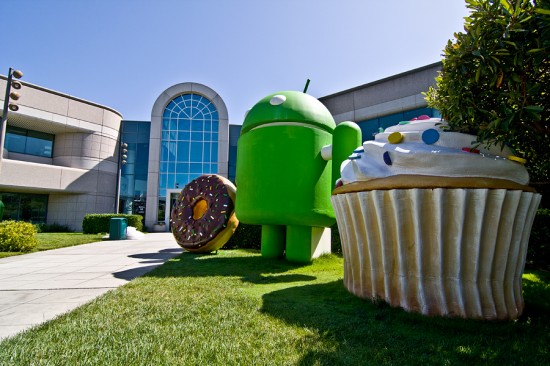
Google's software updates (named alphabetically after desserts such as Cupcakes, Donuts and Eclairs) are very commonly delayed for months on older devices, while new devices receive them immediately.

Ziegler suggests that companies begin charging for new updates, in order to create an additional incentive (aside from boosting customer loyalty) to support their products over the long term. It has gotten to the point where many companies only support phones that are still on sale, and even those who do support discontinued models do so on a delayed timeframe in order to achieve maximum “market impact” rather than serving their customers to the best of their ability.

I highly recommend reading the whole article, as it is extremely well written and poignant for mobile phone enthusiasts.

Spam prevention powered by Akismet