
Categories
Editorial Promotion

How Bad Publicity Can Be a Good Thing


Nearly everyone has heard the expression “there is no such thing as bad publicity” but no one has taken this concept quite as literally as Vitaly Borker. To this Brooklyn-based e-commerce entrepreneur, bad publicity has actually become a good thing.

Vitaly Borker, founder of DecorMyEyes.com, essentially discovered that by treating his customers badly, he was able to increase his PageRank in Google searches. The reason for this strange phenomenon, is that Google does not rate sites based on whether or not they are getting “good” or “bad” links. So when Borker swore at customers and refused to give refunds on counterfeit products, and consumers complained about the experience on reputable consumer review sites such as Get Satisfaction, his PageRanking actually went up.
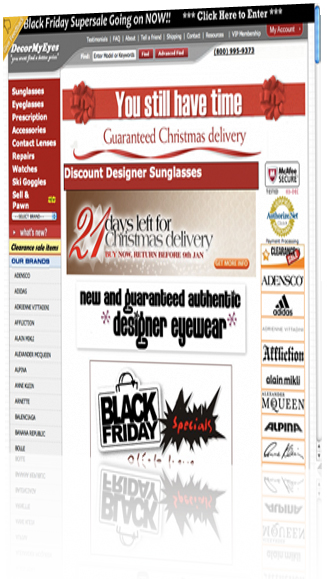
In an interview with David Segal of the New York Times, Borker admitted to trying regular search engine optimization first by paying companies to write positive reviews of his website, but when this tactic failed to get his site to the top of search results, he began to stop caring about pleasing his customers. It was at this point that he realized that negative promotion was actually more effective. People were far more likely to complain when something went wrong during a transaction than they were to post positive reviews after having a good experience, and since those negative reviews still came from a reputable site, they had the same “Google juice” to push his site to the top of results, and drive sales.

This tactic obviously falls squarely into the un-ethical category, and would definitely not be a very good long term strategy for most companies to pursue, but it is fascinating that someone could be so successful with promotion by essentially abusing their customers.

The New York Times’ David Segal reported on this amazing story last week, and actually got an interview with Borker, and his report on the subject is one of the most fascinating articles I have read all year. I highly suggest reading it.

Categories
Ads Editorial Promotion

Podcasts: A Growing Channel for Promotion

Radio, television, and Internet promotion are all well established media channels for marketers, but podcasts still tend to go underutilized, even as their effectiveness for value-based marketing grows.

By using a combination of advertising, sales promotion, and PR, marketers can reach a highly targeted audience of enthusiasts (who also happen to be the best people to spread the message even further by word-of-mouth to their friends and family). In addition, the marketing messages are endorsed by podcast hosts that listeners and viewers trust, so it is more likely that the message will reach the “Desire” and “Action” stages of the AIDA model.

Advertising and PR
As mentioned above, advertising is particularly effective on podcasts as they are often supported by endorsements for the podcast hosts as well. Not only can the advertisers tailor and customize their messages, but they also gain the PR benefit of sparking a positive conversation on the podcast following the ad about the product. In addition, many companies will not even have to pay for the hosts to talk about their product, and can provide press releases for podcasts to discuss as they go over the weekly news.

Sales Promotion
In addition to advertisements, marketers can also provide special limited time offers and coupons to listeners of the podcast. For example, Audible advertises on TWiT, but also offers TWiT listeners free books and a free trial if they sign up at a customized link (www.audible.com/twit2).

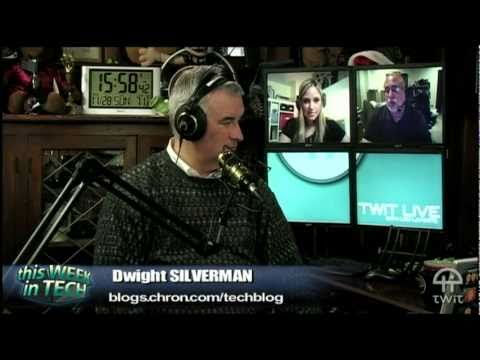
The true pioneer in this space is Leo Laporte, founder of the TWiT Network and host of a number of podcasts including This Week in Tech, and The Tech Guy. He founded his entire company podcasting, and has been extremely successful in building a loyal listener base, and enticing marketers into this new field. In the recent episode of This Week in Tech below, there are numerous examples of these promotional mix elements including the sponsors at the beginning (PR) and the breaks in between segments for endorsing advertisers’ products.

YouTube Preview Image

Spam prevention powered by Akismet