Categories
Course Material

Bandar Abbas

Hello 🙂

Since we didn’t talk about Bandar Abbas, I though its worth mentiong a breif information about it.

Bandar Abbas

Name: Perpetuating the memory of Shah Abbas the Great who founded the town after his naval victory over the Portuguese off Hormoz. Previously called Gameron or Qamerun. Situation and access: Altitude: sea level. Port in the middle of the straits linking the Persian Gulf to the Sea of Oman. 500 km to the south of Kerman by excellent road. Airport: regular flights by Iran Air. Railroad projected.

A combination of social, commercial, military, political imperatives and tourism – have turned Bandar Abbas into one of those Iranian towns where the desire of the centeral government to modernize and develop even the most outlying provinces as keenly as the big urban centers is the most manifestly spectacular. Controlling the Straits of Hormoz, one of the world’s neuralgic areas, Bandar_e Abbas occupies a strategic position of the greatest importance. In the 16th century already (in 1520 to be precise) the Portuguese, intent upon protecting their Indian Empire, took possession of the Isle of Hormoz. They were expelled in 1622, after a tough naval battle, by Shah Abbas the Great who founded the town which has been bearing his name ever since. At the present time, when the world’s mightiest tankers sail past its waterfront almost in bucket-chain fashion, Bander Abbas represents a trump card for world peace.

Close to the Arab world and, through the Sea of Oman, open to the oceans of Asia, Bandar Abbas is the natural maritime outlet for Iran. On the beach of the village of Tiab, some 100 km farther east, porcelain shards of great antiquity may be found, showing that the Chinese had one known this sea-route. Its significant today is enhanced by the modern docks which have been excavated there; cargoes of all nationalities call at the port to unload cement and cereals, motor vehicles and machinery.

“Traditional Architecture of a Mosque in Kish Island ”

A few hundred yard out at sea scores of fishing barges and small Arab sailing boats, with tall prows and forecastles reminiscent of another age, seem to be looking on indifferently. Their sombre silhouettes resemble the outlines of a fortress on the island of Qeshm after which they have been named. A considerable part of the local population lives on the proceeds of its fishing activities. They still employ the traditional net, but soon modern methods of preservation and transport will permit Iranian coastal fishing to be extended and brought up-to date. The drying sheds worked by wood smoke which the Danes installed a long time ago are now shown in the curing plants as mere museum pieces. Meanwhile the animal life of those warm seas, not yet overly polluted despite the presence of oil-tankers, is being studied in specialized laboratories. The great damp heat does not start before May and becomes unbearable only between June and September. The beaches are covered with silky sand, cleansed by fairly ample tides. Their gentle slope provides a safe playground for children.

“A view of Kish Island”

Another local tradition, which is bound to disappear within a very few years, are the masks worn by some old women. They are fairly hideous, semi-rigid contraptions, surrounding eyes and cheek-bones and covering the nose. They remind one of the facial armour worn by the Greek soldiers of Antiquity. But although this coastal area must have witnessed the homeward march of Alexander’s exhausted columns, it would be too bold perhaps to trace these masks back to Alexander’s soldiers! The Iranians maintain that no religious taboo explains the wearing of these masks: rather is it a fashion which originates from the period of the Portuguese occupation when ladies wished to walk about unrecognized or simply to protect their complextion from the scorching sun.

Categories
Course Material

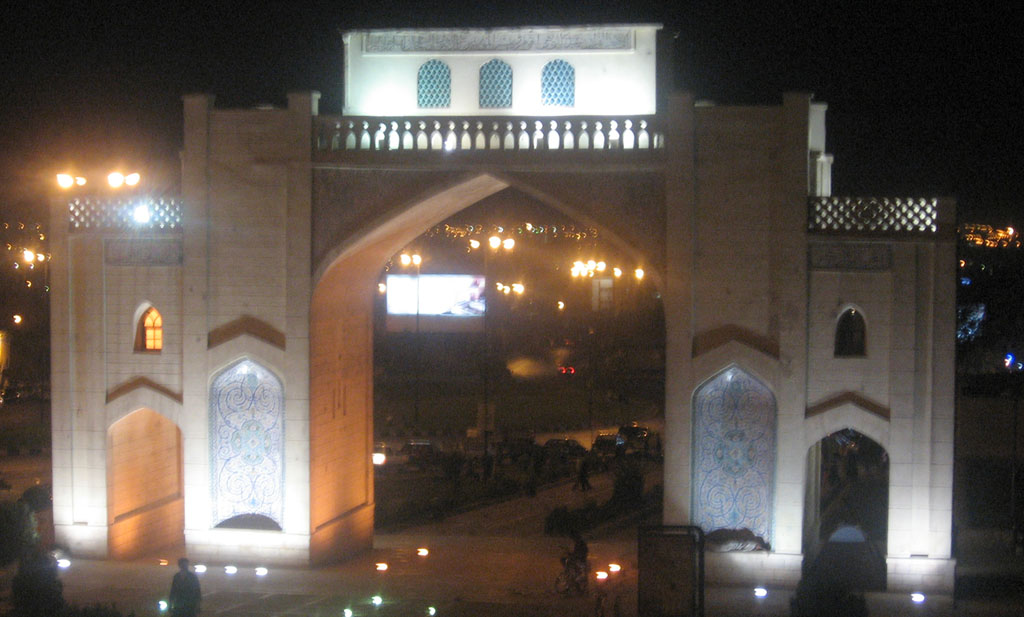
Darvazeh Ghoran

Hello,

bellow is a brief information about Darvazeh Ghoran in Shiraz.

Darvazeh Ghoran (The Koran Gate) was originally built as an ornamental entrance to the northern sector of the town about 1,000 years ago. Karim Khan Zand placed a volume of the holy Koran in the small room built on the top of the gate so as to bless those who pass under it guarantee them a safe return to their abode. The original gate was demolished in the early fifties and a local merchant erected the present one on its site.

Categories
Course Material

HAFIZ

Here’s a website about Hafiz:


http://www.tebyan.net/index.aspx?pid=27373


I know Farzad has covered him very well.

this is just a summarized version of what he’s talked about.


Special thanks to Farzad and Lena

Categories
Course Material

ROMAN ARCHITECTURE

We have talked all about Iranian architecture…

There were times we were referring to roman architecture or european ones…

Following link is a brief intro to the types mentioned above


http://www.2020site.org/rome/


I know you love it!


Arya

Categories
Course Material

A vey good website!…

Hey everyone,

I found the foloowing link a very interesting one in terms of architectural designs in Iran:

http://www.archnet.org/library/


Most of the monuments or buildings mentioned here have won a prize…


Enjoy


Ariiiiii

Categories
Course Material Guest Speaker Presentations

Iranian Architecture

Hi Guys,

This is a very nice slide show that contains a lot of material that Mr. Daniel Roehr presented to us in his lecture.

Enjoy,

http://www.slideshare.net/mhmohajerani/iranian-persian-architecture

Categories
Course Material Presentations

Iranian Architecture during Islam’s Invasion

This website is a very nice overview of the Material we have covered so far in our course during the Islamic period.

http://www.salamiran.org/CT/Culture/Arts/architecture/arch_cont.html

Categories
Course Material

Modern to Post- Modern

best web site you can find on modern to postmodern architecture 😀

http://www.theatre.ubc.ca/dress_decor/modern_architecture.htm

Categories
Course Material

palladian architecture

hey guys i was saying the “baghe feredos” architecture is very similar to ‘palladian architecture’ , here’s the wikipedia for it in case interested 😀

http://en.wikipedia.org/wiki/Palladian

Categories
Course Material

gushvareh!

After Nardin and Kian presentation, I was so curious about goushvareh rooms! I found this interview, well kind of, about Shams-ol-emareh and gushvareh … it’s in farsi I know!

I am still not sure but i thing it has a architectural aspect to it and the rooms were used to connect buildings to each other!

* عمارت شمس العماره به چه منظور ساخته شد و اساسا كاركرد آن چه بود؟

_ فضایی كه ما اكنون در مجموعه كاخ گلستان شاهد آن هستیم، بر اساس همان اصطلاح آن زمان كه فضای اندرونی و بیرونی گفته می شد، فضای بیرونی است و فضای اندرونی برای خانواده بود و فضای بیرونی برای مهمان. اندرونی كه حرم سرا هم شامل آن می شده همان بخشی است كه در حال حاضر وزارت دارایی در آن قرار دارد كه تخریب شده و چیزی از آن باقی نمانده است. در بیرونی بیشتر مسایل تشریفاتی برای مهمان ها در نظر گرفته شده است.
شمس العماره هم به همین منظور ساخته شد و جالب است بدانید در پشت عمارت دری وجود دارد كه به خیابان ناصرخسرو منتهی می شد. در واقع، در مجموعه كاخ گلستان بناهای موجود بر اساس یك كاركردی ساخته شده اند. مثلا عمارت بادگیر (كه البته قبلا هم در معماری ما وجود داشت) از چندین مناره تشكیل شده است كه در قسمتی به واسطه وجود دریچه های ضربدری ما را به داخل ساختمان هدایت می كرده و به نوعی تهویه هوا بوده است. از این عمارت برای روزهای تابستان استفاده می كردند. مثلا تاج گذاری مظفرالدین شاه به خاطر این كه در تابستان بوده و در عمارت بادگیر صورت گرفته است.
به خاطر همین غیر از تابستان در فصل های دیگر دلیلی نداشته كه از آن جا استفاده كنند. اما شمس العماره یك چنین چیزی نداشت. شمس العماره برای تشریفات مهمان ها استفاده می شده و بیشتر از طبقات پایین آن استفاده می كردند. و طبقات بالایی بیشتر به خاطر این ساخته شده بود كه می گویند عصرها ناصرالدین شاه از طریق آن به كلاه فرنگی می رفته و در حالی كه بستنی ای می خورده اطراف را هم نگاه می كرده و بیشتر جنبه تفرج گاه داشته تا رفت و آمد. چون رفت و آمد آن هم خیلی سخت است و پله های خیلی مرتفعی دارد كه حدود چهل یا چهل و پنج سانت است. البته این هم دلیل داشته با توجه به عرضی كه این پله ها دارد باید به پاگردها و پله ها یكسان می اندیشیدند به خاطر همین اگر می خواستند ارتفاع پله ها را كمتر كنند مجبور می شدند كه عرض پله ها را زیاد كنند كه به آنها جواب نداده است.

* در شمس العماره برای ورود به تالار اصلی از گوشواره استفاده شده است كه مشابه آن را در عمارت خلوت كریم خانی هم می بینیم. چرا در شمس العماره با این كه رو به روی عمارت ایوانی ساخته شده باز هم در گوشواره استفاده كردند؟

_ همان طور كه می دانید دو تا گوشواره دارد كه در دو طرف بنا قرار دارد و تالار و فضای اصلی وسط این گوشواره های قرار گرفته است. ما مشابه این معماری را در تخت مرم داریم كه از دوران زندیه باقی مانده است و این همان تاثیری است كه معماری دوره قاجار از زندیه گرفته است. در تخت مرمر یك ایوانی را می بینید كه از دو طرف به وسیله گوشواره ها به این ایوان راه دارد. همین شكل معماری را در عمارت بادگیر هم داریم. در واقع سه عمارت با یك شیوه معماری: تخت مرمر یا همان خلوت كریم خانی كه برای دوران زندیه است، عمارت بادگیر كه فتحعلی شاهی است و شمس العماره كه در زمان ناصرالدین شاه ساخته می شود. اما گفتنی است كه ابتدا وقتی ناصرالدین شاه این عمارت را می سازد به تبعیت از معماری غربی ورودی اصلی از طریق پله هایی كه در مقابل ایوان ساخته شده بودند انجام می گرفته با این كه گوشواره ها هم بودند. ولی وقتی از حیاط می آمدید از طریق پله های وسیعی كه جلوی ایوان قرار داشته وارد تالار اصلی می شدید. همان زمان با توجه به این كه همیشه فرهنگ بر روی معماری ما تاثیر گذاشته است این پله ها را حذف می كنند تا كسی مستقیما وارد فضای اصلی نشود. این مساله در خانه های معمولی هم رعایت می شده است.
وقتی وارد این خانه ها می شوید ابتدا یك هشتی وجود دارد، و این هشتی طوری ساخته شده است كه وقتی شما وارد آن می شوید نمی توانید داخل ساختمان را ببینید، و حتما باید از داخل هشتی عبور كنید تا داخل را ببینید. در عمارت شمس العماره به جای آن هشتی از این گوشواره ها استفاده شده كه همان كارایی را دارد.
از آن جایی كه عمارت شمس العماره جهت دار است، گوشواره های شمالی و جنوبی دارد، و از یكی از گوشواره ها مسیری دارد كه می توانید از طریق آن وارد طبقات بالاتر شوید. این هم دلیل داشته است. زمین شمس العماره مستطیل كامل نیست و یك مقداری قناسی دارد. همین كجی باعث شد تا در آن قسمتی كه عرض بیشتر دارد پله ها را بگذارند و از بقیه فضا برای ساختن اتاق ها استفاده كنند. به خاطر همین برای رفتن از این طرف شمس العماره به آن طرف در طبقات بالایی باید از پشت بام ها بگذریم.

Spam prevention powered by Akismet