Canadian scientists are in dire straits. They are faced with dwindling funding for training and research, a government which chooses to muzzle and undermine them, and a public that cares more about housewives in Atlanta than the state of Canadian innovation. This problem extends well past our borders. Many developed nations, faced with obscene national deficits, choose science as one of their first line-items to slash. Public resistance to those types of budget cuts are muted at best and, frankly, understandable. Why would people want to fund research when they don’t understand it, don’t see the value/application of it, and see scientists as disengaged and aloof???
Science has huge PR issues and I’ve discussed this in a prior post. There are solutions that scientists could implement that may help their position, however, I’ve come to the conclusion that they cannot begin to engage the public until they learn to engage each other – specifically in the realm of academia.
The way things work in the academic world is broken. Fighting for ever dwindling funds and elusive tenured positions, academic researchers are forced to focus exclusively on publishing in ‘high-impact’ journals. The publishing regime that currently exists is extremely flawed. Originally used as a platform for communication between scientists, for-profit journals have become academic ghettos where information is difficult to access, difficult to find, and nearly impossible to share. There are over 24,000 journals today and information – regardless of its importance or significance – gets lost in the cacophony. The pressure to stand out from the crowd has lead to a positive-findings bias in reporting, such that studies demonstrating null or negative outcomes are not getting published. This bias is detrimental to the research world as knowing what doesn’t work is just as valuable as knowing what does.
The worst part of this system is that publicly funded research gets sequestered into for-profit journals and the public is forced to pay again to access the information within them. Universities pay millions of dollars to access these journals, that funding often comes from government agencies and internal revenue. Often larger universities have larger budgets and can afford more access and those without the means cannot. The public rarely benefits from the research their taxes served to fund because of this restrictive access. That is height if inequity and speaks volumes on why the public doesn’t want to fund science.
Another issue is that scientists are also highly paranoid; most researchers I know are very testy about sharing their findings, discussing their methods, or even asking for advice from other researchers. This kind of insular thinking limits the growth of the field and cements the impression that scientists are out-of-touch and self-interested. The same pressure to publish and to make tenure pushes researchers to become fearful of being ‘scooped’ and limits their collaborative efforts. In addition, the time and energy committed to the publishing/tenure focus limits the ability for scientists to provide their expertise to open science initiatives. Think of how much time and effort a researcher could save if they were willing to discuss their methods, what they’ve tried and not and how things are working.
Despite this bleak outlook, there are signs things are changing. Open access journals are becoming more prominent, scientists and science commentators are starting to openly critique the current system, and the concept of open science is catching on (see video below). I genuinely believe that the tools of social media have contributed to this shift. It has allowed scientists to openly share their perspectives more easily, it provides tools for collaboration, and enables lower-cost and lower-effort publishing using open-source software that circumvents the traditional system. For this change to take hold and take over there are a few things that need to happen: researchers and their universities need to be more open to changing the existing publishing/tenure process and researchers need to start trusting and supporting each other rather than competing.
Obviously here are other large policy issues that need to be addressed as well as PR problems to be overcome but if scientists and researchers can work together they can use their collective voice to amplify their cause and affect change.
For more information on these topics there are 2 talks posted below;
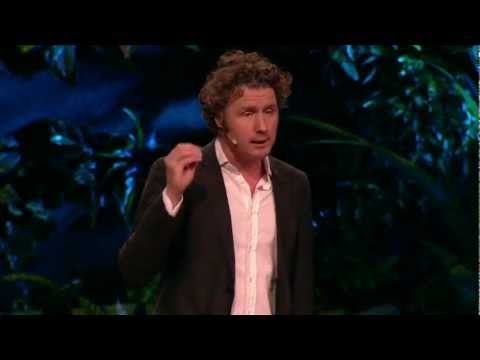
- This great presentation by Ben Goldacre really highlights the problem with bad science (it’s not all bad, I think the so-called peer-review system is bad and needs overhauling):
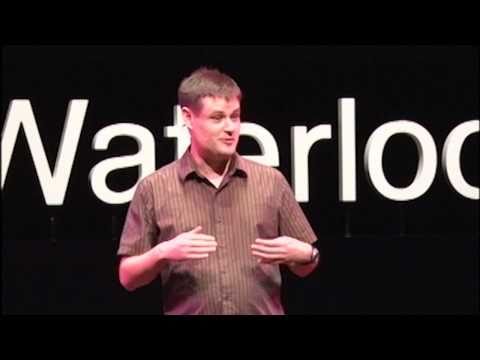
- This is a thought-provoking talk on the topic of open science by Michael Nielson can be viewed here:
Finally – this is my FAVORITE visualization of how science actually works. I think it really speaks to why some misconceptions about it exist.