FREE fragrances

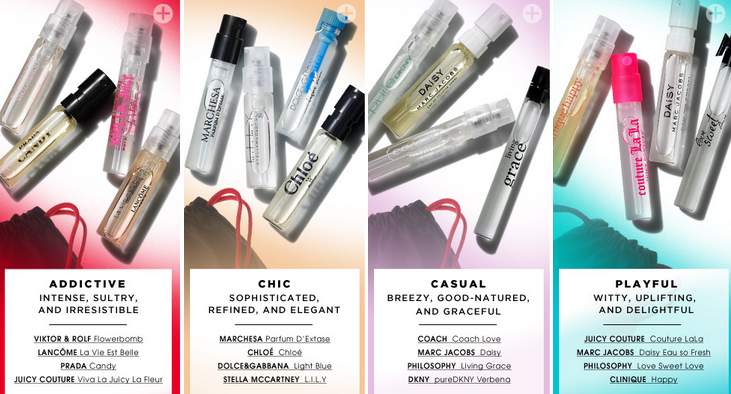
My recent trip to Sephora (situated in Pacific Centre) last weekend left me in very high spirits. I managed to snag a couple of items on offer for a relatively affordable price, along with a couple of free samples. Only after pulling items out of the little black and white Sephora paper bags did I begin to wonder why that was. Why was I so happy?


Why would Sephora willingly incur a few $100 dollars worth of lost potential revenue to give away commodities they’d otherwise make a profit out of?
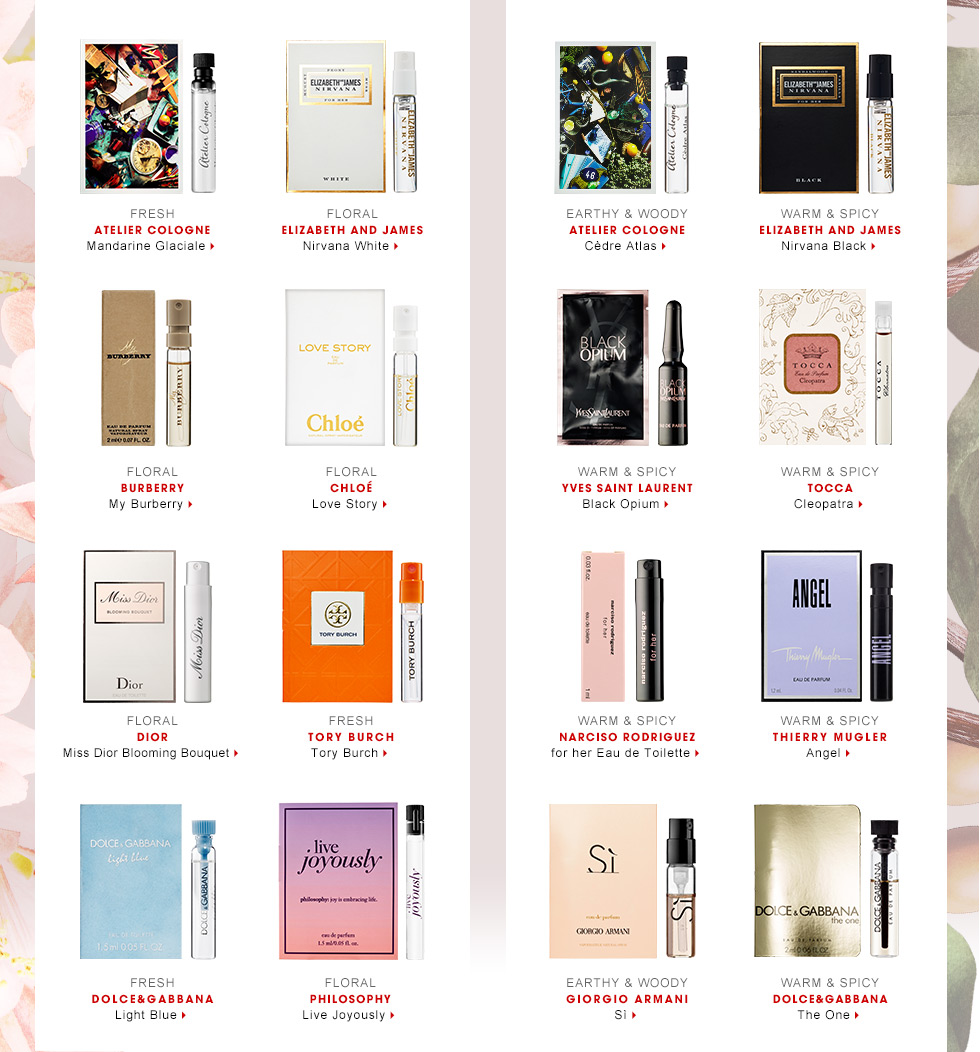
lp_mothers_voc_bag_products_05052015_image
The answer was simple. It was a strategy. Large businesses allocate enormous amounts of money into financing their marketing for the purpose of attracting customers and clients in order to grow their customer base, increase customer loyalty and build customer relationships in order to build up a positive, lasting brand image.


Compared to the large costs incurred by financing their marketing segments, spending a few $100 on free samples is arguably; albeit cheaper; a more powerful way of reaching customers and forging relationships with customers. The one-on-one interaction creates a bond of trust between the customers and the brand. It also serves as the brand laying the foundation for the potential customer to continue engaging with the brand.


With the introduction of a free sample, a company is able to get the customer to try a product without having to discourage them by placing a price barrier. In addition to being more likely to try out the product, customers also gain a sense of satisfaction from the encounter, thus connecting that positive feeling to the brand, forming positive sentiments of it within their minds.

This leads to a loyalty loop as their experiences and sentiments are shared with their peer/social groups, in turn influencing them and encouraging more people to try out the brand.


I have to admit, my favorite brand of facial cream was originally given to me as a free sample. I’d been eyeing it for some time but never really had the incentive to go out to purchase a tube. The power of free samples should never be underestimated!


image bib:

http://www.sephora.com/beloved

A little bird told me..

Whether it’s been a bad day stressing over your midterms or having a spectacular time at last night’s concert, sharing it has become a social norm amongst the digital generation. Humans are social creatures and thrive on interaction and sharing. Tweeting has been going strong amongst individuals of all shapes and sizes from the tweens the crowd around the corridor of their schools to iconic celebrities and idols backstage before a show, even large conglomerates have twitter accounts!

But how did the creators; Evan Williams and Biz Stone; dream up such a unique social platform?

That’s easy! They didn’t!

Mobile-Twitter-Wallpapers

Initially starting up as a platform to create, browse and share podcasts, they were swiftly kicked out of the industry when Apple decided to compete against them for market dominance. Not losing heart, Twitter began it’s transition with the aid of crucial market research on the dissatisfactions customers had with the existing social media platform, in turn coming up with a much simpler model by which thoughts and feelings could be shared, expressed and laced together in continuum. They identified that people are both curious and eager to share and learn, and as such found their niche, propelling them forward and pivoting their business to success.

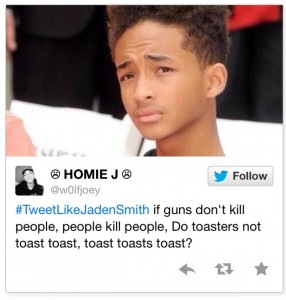
multipletweets

I believe that identifying and differentiating their product to cater specifically to a need (for simplicity) other social media platforms had failed to previously address could have only been accomplished with both reliable and specific market research on Twitter’s part. Without closely examining and honing into customer dissatisfaction in specific areas, they would not have been able to find and breach their way into this untapped market.At a glance – quick and precise – one get connected to what is happening in his/her immediate friend circle. This is great!

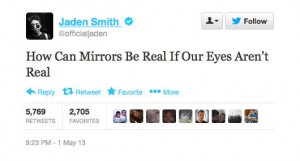
jaden mirrorstumblr_n8v5itq9aN1thpqoho1_1280

You’d only be lying to yourself if you said you could care less about that one kid who tweets endlessly about life.


Picture bib:

1)”Full HD Pictures.” 3D Twitter Wallpapers. N.p., n.d. Web. 15 Oct. 2015.

2)”SCOTUSblog Brings the Gavel Down on Trolls – American Journalism Review.” American Journalism Review. N.p., 01 July 2014. Web. 15 Oct. 2015.

Archetypes

Have you ever wondered why we like the things we do? Or perhaps why we’re drawn to certain ideas, themes and even people? These queer patterns in our behavior could better be explained by a company by the name of ‘Archetypes’. Or rather… could have been.

The company was one of the largest start up businesses in New York, securing $19 million in funding over two years, the company’s concept centered around helping people “discover” and better understand themselves by classifying them into different archetypes. It also provided a platform for like-minded users to connect, interact and unite. Despite it’s unique concept and trendy inlay, The Company found itself bankrupt by 2013. The huge Sunk cost the company incurred deterred stakeholders from shelling out anymore money as the prospects for reaping benefits looked grim. After having failed to raise $20 million , the company declared it’s bankruptcy.


In light of discovering the tragic end to this company, I realized something that had never previously occurred to me before.. Though much thought and effort had gone into the production and making of this company’s foundation; successfully making in popular – with over 100,000 sign ups; the company had lost sight of it’s main goal, and that was to generate revenue. Failing to rebound from the hefty sunk cost proved too much for the company to stay a float.

bib:

  1. “NYC Startup Archetypes Goes Bankrupt.” Pando. N.p., 04 Nov. 2013. Web. 10 Oct. 2015.
  2. “Archetypes, the Biggest NYC Startup You’ve Never Heard Of, Completely Unravels.” Pando. N.p., 03 Oct. 2013. Web. 10 Oct. 2015.
  3. “About Us – Archetypes.” Archetypes. N.p., n.d. Web. 10 Oct. 2015

video taken from

http://www.archetypes.com/about-us/

Spot Apple

Music is the essence of inner expression; it soothes the mind and soul. Pop artists greatly influence today’s generation, sifting and tweaking culture, practices and perceptions on a global scale. As such, music has become an integral part of our lives for many of us.

Spotify has successfully changed the way in which consumers engage in listening to music, by offering the relatively new service of live streaming. Because it was one of the first to claim and provide this form of service, it effectively embeds it’s brand image in the minds of its consumers for that said category. On that note, Spotify enjoys the recognition and top tier spot on the ‘ladder’ above it’s contenders (as consumers have already related it’s brand image to ‘streaming services’) Customer perceptions are hard to change once formed, making it difficult for rival contenders to overthrow the current dominant brand.

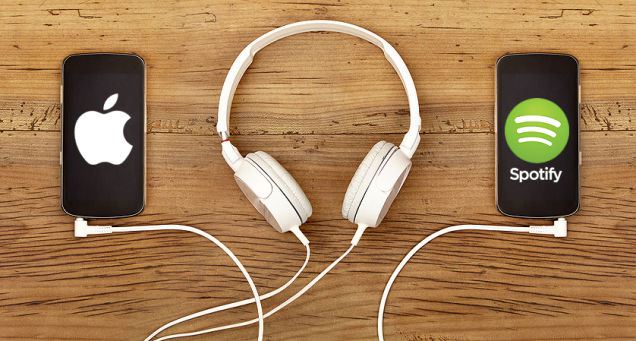
Apple-Music-Vs.-Spotify (1)

Apple recognizes that the market is slowly shifting from commercial in app purchases to music streaming and as such is quick to attempt penetrating this new market with it’s own ‘Apple Music’, where in it becomes a contender to Spotify. However with that being said, because Spotify is the first recognized brand to have provided this service, customers are more likely to associate the service with them, and thus in order for apple to gain some sort of footing in the market, it has to coin effective points of differentiation, in addition to it’s points of parities.

Both Apple and Spotify charge a monthly fee of $9.99, providing similar services. However, unlike spotify apple’s ‘Apple music’ does not require another seperate app download for apple users as updating the music app within the device automatically upgrades it to include the ‘Apple music’. It also provides free radio (Beats 1) where Spotify does not. Another recognized difference users have identified is that music by artist tailor swift is only present on Apple Music, and not on spotify


Being new to Spotify myself (despite it launching in 2008), I admit to also being amongst the majority of individuals that recognize Spotify as the first music streaming provider. This mindset is what companies trying to penetrate and gain market dominance over competitors need to take into account when marketing their new product. Being careful to abide by points of parity while at the same time having strong points of differentiation.

❉ ✱ ✲ ✴ ✵ ✶ ✷ ✸ ❇ ✹ ✺ ✻ ✼ ❈ ✮✦ ✧ ❂ ❉ ✱ ✲ ✴ ✵ ✶ ✷ ✸ ❇ ✹ ✺ ✻ ✼ ❈

Bib:

1.”What Is Apple Music and How Does It Work?” HowTo Geek RSS. N.p., n.d. Web. 03 Oct. 2015.

2.”Why I Ditched Apple Music for Spotify – CNET.” CNET. N.p., n.d. Web. 04 Oct. 2015.

3.”Apple Music vs Spotify: What’s the Difference? – CNET.” CNET. N.p., n.d. Web. 04 Oct. 2015.

Images taken from:

  1. “Apple Music vs Spotify.” Nerdy Talk RSS2. N.p., n.d. Web. 03 Oct. 2015.

Toshiba

When we think of big brands, words such as ‘Quality’, ‘Recognized’, ‘sought after’ and ‘Reputable’ come to mind.

‘Financial Fraud’ however, does not.

As multinational corporations dominate their industries respectively, building up a good, reputable corporate image becomes a key distinction that differentiates them from their competitors. They often choose to engage in charitable events or sustainable practices to both build up their brand image, as well as generate trust and expanding their current customer fan base. They make it a point to engage in such ventures and activities for the purpose of showcasing how aware they are toward their social responsibilities to bridge the gap between them and their shareholders by building a link of trust. But what happens when thatfaçade shatters under the eyes of public scrutiny?

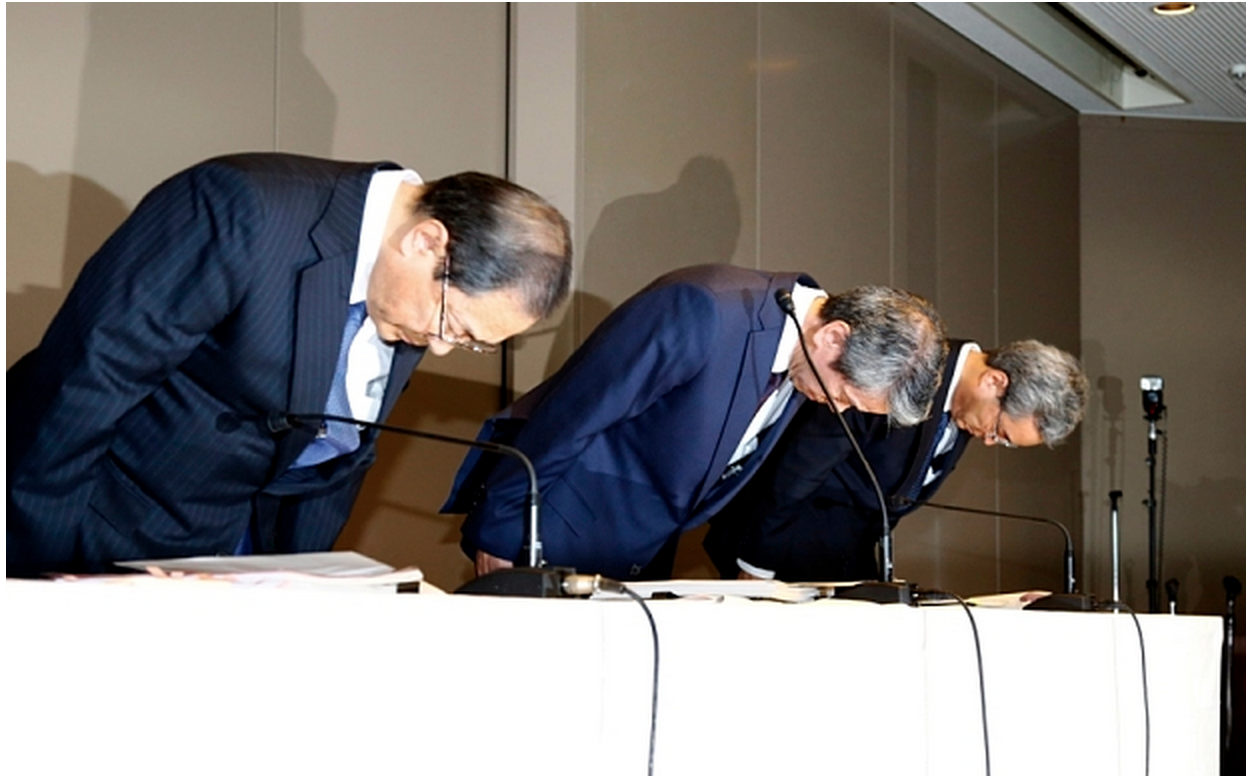
Screen Shot 2015-10-03 at 1.20.04 AM

Toshiba has generated heavy stirs in recent news wherein toxic corporate culture has driven an internal problem for another 4 years since it’s inception. Toshiba adopts a bureaucratic leadership, where in communication followed a one-way channel from top to bottom. As such subordinates were given nearly impossible targets to achieve. As such to make up the difference, subordinates engaged in tweaking financial reports, postponing loss reports and moving certain costs into future years in an effort to keep up with targets set by their superiors.

The company was reported of having overstated profits by 151.8 billion yen. In light of the huge scandal, Toshiba’s shares have dropped by nearly 20%. It’s CEO was also found to be guilty of both knowing and condoning such unethical behavior, and resigned.

Trying to repair it’s wounded image, Toshiba has chosen to approach the situation by becoming more transparent to it’s shareholders, releasing it’s reports in an attempt to rekindle some form of trust and minimize the damage incurred to it’s brand image.


Even though Toshiba’s actions are undeniably wrong and unethical, I would not be surprised if I should learn that other conglomerates and corporations have or will also be exposed on similar fronts. With that being said I feel that many businesses engage in such practices, the only difference lying in how severely they engage in it.


bib:

✦”Toshiba Just Lost Its CEO to a Huge Accounting Scandal.” Fortune Toshiba Just Lost Its CEO to a Huge Accounting Scandal Comments. N.p., 21 July 2015. Web. 01 Oct. 2015.

✦Members, Eight Board. “Toshiba CEO Resigns over $1.2 Billion Accounting Scandal.” CNNMoney. Cable News Network, n.d. Web. 01 Oct. 2015.

Picture taken from:

✦http://www.telegraph.co.uk/finance/newsbysector/mediatechnologyandtelecoms/electronics/11753462/Toshiba-shares-rally-as-execs-quit-over-1.2bn-accounting-scandal.html


Spam prevention powered by Akismet