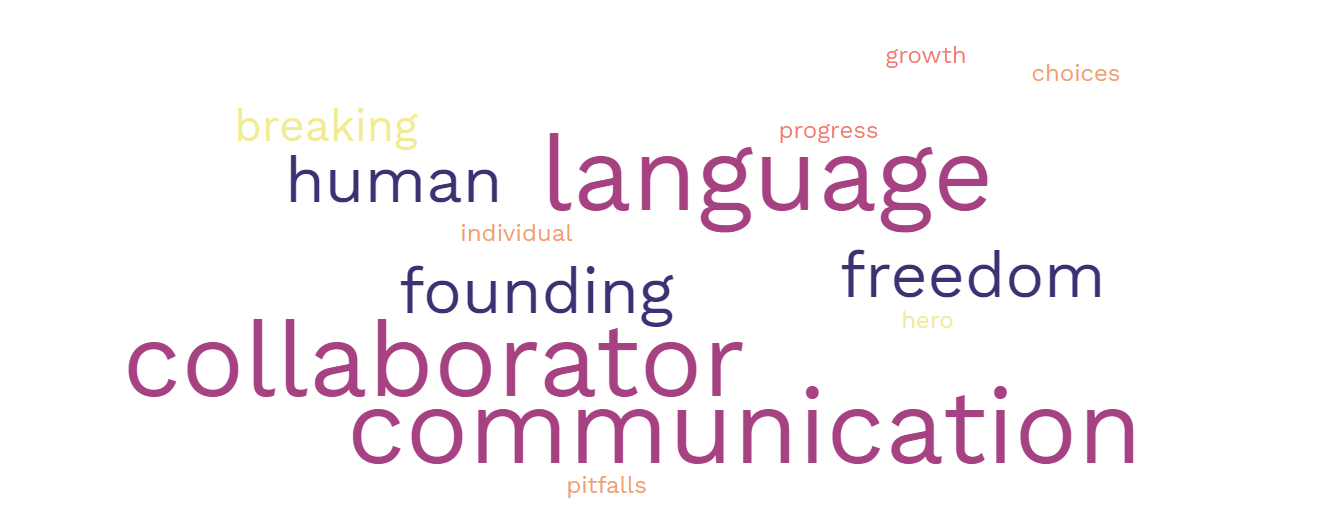
Who are they and what is intelligence?
Alan Turing – he proved that mathematics will always have uncertainties, which is revolutionary–at school students are taught mathematics always has an answer! He created the foundation for AI and computer science. A WWII hero, he broke German ciphers, but his era was not ready for Turing’s secrets, hence society broke him (Biography, 2020).
John McCarthy – Lisp language most often used to program AI. He was proponent of free speech, many projects deal with overcoming communication obstacles, such as the advice taker, which led to logic programming, and garbage collection methods to solve problems in Lisp. Believes human progress is sustainable (Wikipedia, 2022).
Herb Simon – he wanted to understand the decision making process. Argued that the number of alternatives plus knowledge gaps make the decision making difficult. Because of him, scientists began to understand data prior to predicting or choosing. He believed an advantage of humans is their ability to learn from each other so communication is key to scientific activities (UBS, n.d.).
Marvin Minsky – he believed that machines can replicate brain functions, but not yet human’s ability to see the grey parts of reasoning, which was his goal. He supported individuals in research, wary of the impact that companies could have on AIs growth (BBC, 2016).
Timnit Gerbu – a woman who lacked freedom because she works in the private industry. To move AI forward she wants us to step back and look for potential pitfalls to navigate, but those views alarmed Google, so she lost her job. Her experience validates Minsky’s wariness and shows people the influence tech companies have on the way users view and use technology (Hao, 2020).
All of these innovators see intelligence as a flexible and growing entity, thus communication and collaboration are vital aspects of intelligence. Having intelligence determined by one organization would be detrimental to its progress.
How do programming languages differ from natural spoken human languages?
Think of the word gay. In the past it used to mean happy, then in the late 20th century it was often used as an insult in slang, but now it is usually used to describe a person (most often a man’s) sexual orientation.
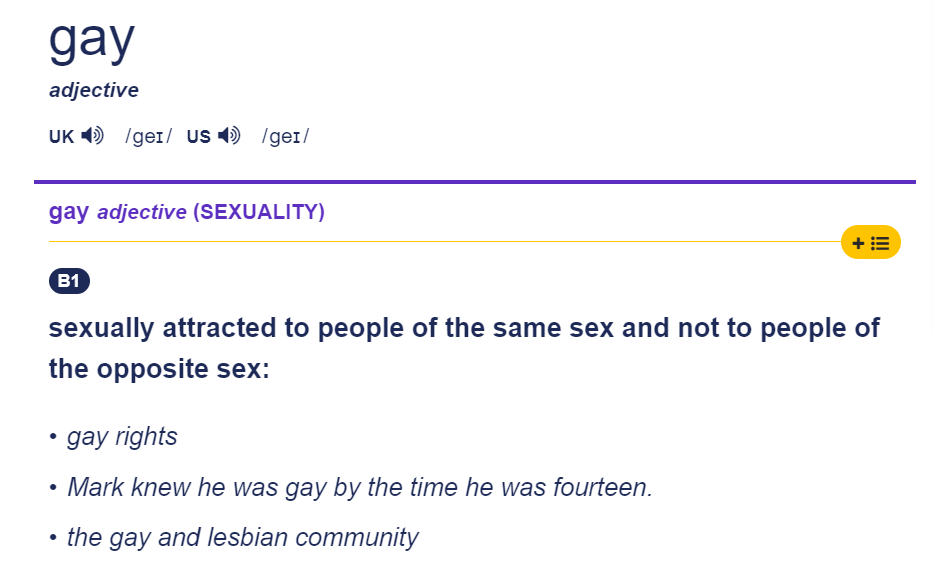
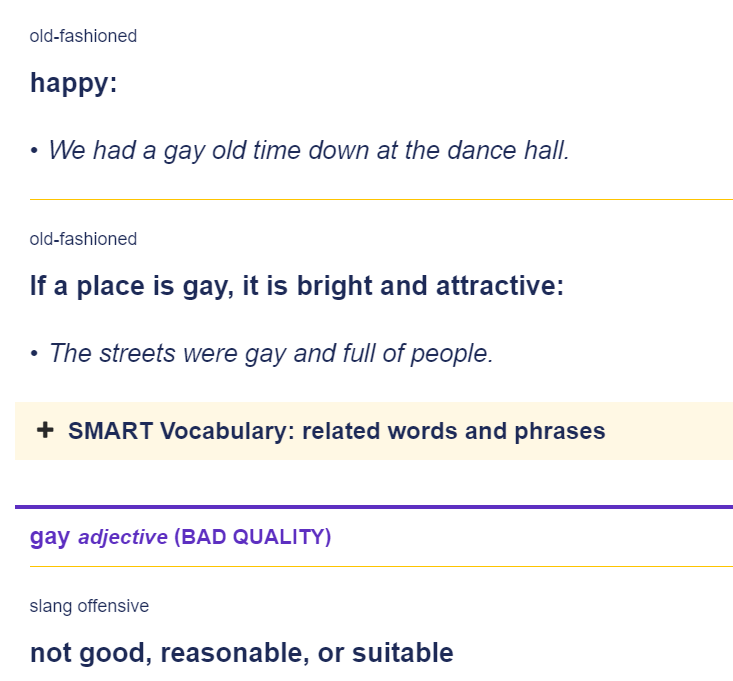
Natural human languages are used to interact with two or more humans and between the people involved, meaning is construed, broken down and rebuilt. Programming language is used to convey an idea or function that was already construed in the creator’s mind before being shared. There are no surprises in the construction of meaning when it comes to programming languages (Harris, 2018).
How does machine intelligence differ from human version?
When a decision is made by humans, different types of intelligences are at play. Both AI and I can identify a problem and suggest possible solutions, but only humans can use socio-emotional intelligence to appropriately present the solution so the people involved are receptive. AI can interpret vast quantities of data and consistently provide the correct answer for questions with a set number of solutions, but the final selection requires human input to choose the solution that considers the emotions of the people, cultural zeitgeist and emerging trends, which wouldn’t appear on AI’s radar until it has become a trend (Chollet, 2019).
How does “machine learning” differ from human learning?
Machines learn from data that is made available to them: data that already exists and training data set by the programmer(s) (Heilweil, 2020). Humans take longer to learn from the enormous quantities of data machines take in, but humans, if they are aware of their biases can compensate for that when they learn. It is argued that transparency in algorithms is needed in machine learning, even more so now with algorithms determining what humans are exposed to (Hao, 2020). While humans have the ability to choose what they learn, unlike machines, that is changing with the amount of time spent online increasing the influence of algorithms.
How do my answers to these questions differ from what a machine could generate?
The information I selected is based on what I think is most important to fit the word limit, whereas a machine will state the related information that appears most frequently, but they cannot form an opinion. A machine will copy and paste pieces of information from different sources to appear human and probably forget to provide citations. To accommodate the word limit machines might truncate their response or go over the limit. There are biases in my and a machine’s thinking, but my biases are based on my emotions and my experiences and can be explained in more detail, but a machine’s thinking is not transparent. I do not work for any private company involved in AI, so aligning with Minsky and Gerbu is probably not what AI would do because AI research is being funded by companies like Google and Facebook. My opinion is present throughout my answers, from the word cloud of important words, my statement that society broke Turing, the connection I made between Minksy and Gerbu and my comparisons between humans and machines. Perhaps the most compelling evidence my answers were generated by a human is a machine would not have submitted this assignment late-they can work 24/7!
References
BBC News. (2016, January 26). AI pioneer Marvin Minsky dies aged 88.
Biography. (2020, July 22). Alan Turing.
Chollet, F. (2019, November 5). On the Measure of Intelligence.
Hao, K. (2020). We read the paper that forced Timnit Gebru out of Google. Here’s what it says. MIT Technology Review.
Harris, A. (2018). Languages vs. Programming languages.
Heilweil, R. (2020 ). Why algorithms can be racist and sexist. A computer can make a decision faster. That doesn’t make it fair.
UBS (n.d.). Meet the Nobel Laureates in Economics: Do we understand human behaviour