Categories
Garden Stuff Uncategorized

Growing pet treats

I recently came across an organic seed mix for cat grass that includes oats, barley, rye and wheat. I had never really thought to feed my cats any kind of plant as they usually left our houseplants alone and I assumed that they get enough fibre from their dry and wet food. However, I am a doting cat owner and, since I like to container garden, I was sold on this cat grass seed mix immediately.

Upon further reading, there are mixed reviews as to whether or not it is necessary to make edible grasses available to your cat. One side says that it can help with kitty’s digestion and supplement her diet with fresh greens. Some even claim that cats crave grasses, though it may just be dependent on the individual likes and dislikes of your kitty. On the other hand, some argue that cats are carnivores and have no need for additional fibre in their diets.

Still others take a more moderate view and note that edible cereal grasses like oats, barley, rye, wheat and flax may not be particularly harmful or beneficial, but if it prevents your cats from eating potentially toxic houseplants or outside grass that may have been treated or fertilized with synthetic substances, then why not?

However, please do not confuse this with catnip, which is like a psychedelic drug for your kitties.
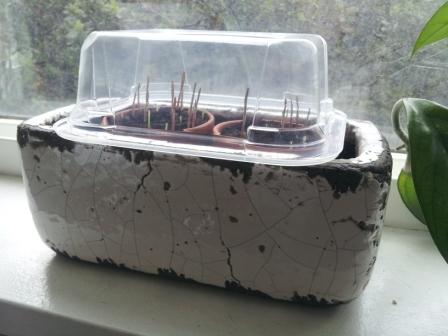
This is a picture of my cat grass planter; seeds were planted 5 days ago. I used small 2″ clay pots and filled the bottom of the planter with small gravel to catch and disperse excess water evenly. The planter is quite heavy, as my cats are quite clumsy and rambunctious, and a lighter-weight planter could easily be knocked off the window sill. The plastic dome is a recycled 7-layer dip container from the grocery store.

If you want to start growing cat grass for your kitties, here are some tips:

1) Fill a pot with growing medium (as for everything else, I use Sea Soil), tamp it down and lightly water it.

2) Sprinkle seeds to almost cover the soil.

3) Cover with approximately 1/4″ of soil and water lightly.

4) Place pot in window sill and ensure the soil is consistently moist, but not soggy. It can help to put a plastic bag or cover of some sort over the soil to keep the temperature up and soil moist until the seeds germinate.

5) Plant another pot about 1-2 weeks before you plan to discard the existing batch to ensure you have a constant supply.

For further investigation of your own, here are some sites to get you started:

Is cat grass healthy or harmful for cats? This article seems like a balanced consideration of pros and cons of making cat grass available to kitty.

Renee’s gourmet cat grass mix

How to grow oats for pets inside

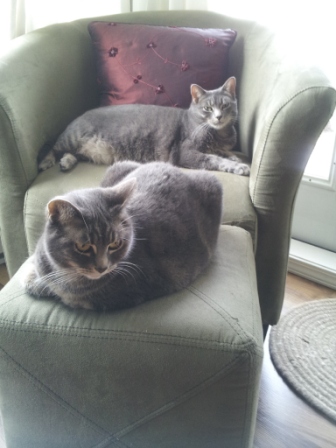
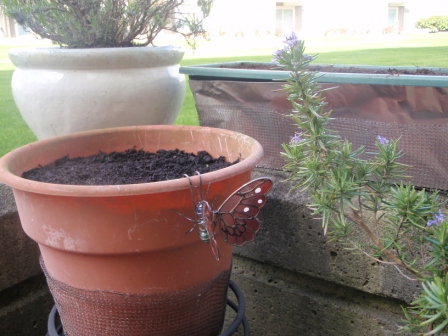
Just as an aside, this is one of my favourite cat pictures. It’s from the West Coast Seeds page for catnip seeds. Follow the link for more info on catnip.
 

Categories
Garden Stuff Vegetables

Light reflection for lower light areas

I was looking through the West Coast Seeds catalogue at the books they carry, and one caught my eye because it mentioned techniques to reflect light for small gardens. Although you should first and foremost make sure you can meet the light requirements of the plants you are growing and not rely on reflected light, reflecting additional light to your plants can help boost the intensity of the light that is available. A quick web search turned up a number of suggestions:

  • Use light coloured mulch (including white river rocks, pine shavings, white plastic) or large white pavers or stones around the base of plants to reflect light upwards.
  • Place white coloured garden decorations or pots throughout your garden, strategically positioned to reflect light to the plant (be careful not to create more shade).
  • Paint surrounding areas white, such as walls and fences, if possible. Because I live in a condo, I do not have control over the colour of our building exterior. However, I do wonder if the sunlight reflected from the windows on the other side of our courtyard make a difference in my garden.
  • Try mirrors or foil to reflect light, but be careful as these can focus sunlight too much and burn your plants. I am using the flat side of tin foil behind my peas to try to reflect light and warmth to them
  • Plant white, yellow or light green flowers and foliage around your garden which can also help to reflect light to other plants.

I have lined the outside of a long, dark green planter with the matte side of tin foil and a white pot surrounding my container of Little Marvel peas.


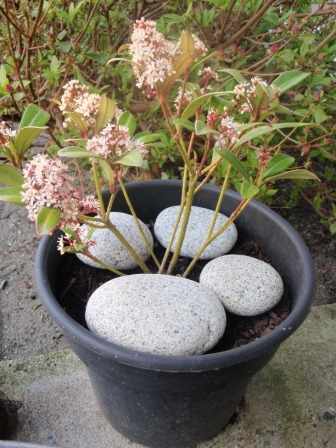
I also have a number of larger, light coloured stones that I collected from a river and that were once decoration in my fish tank. I have scrubbed the algae off and will use these around the base of my butternut squash plant. I know that I marginally have the minimum light requirements to grow a butternut squash plant, so I went into this with the mindset that this would be a bit of an experiment.


Some resources to check out:
.
Fresh Food from Small Places book

How can I reflect more light onto my outdoor garden?

Vegetable gardening (see section on Container Gardening)

Categories
Garden Stuff General Update Spring Vegetables

General update – Seedlings!

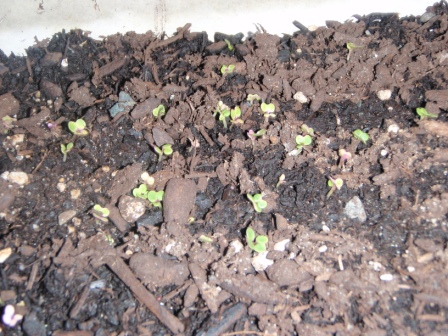
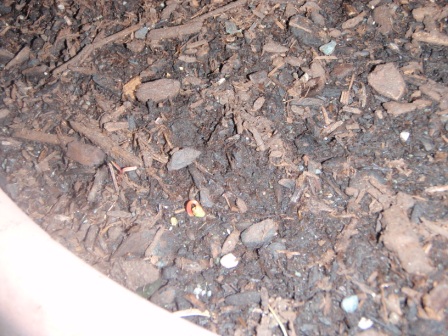
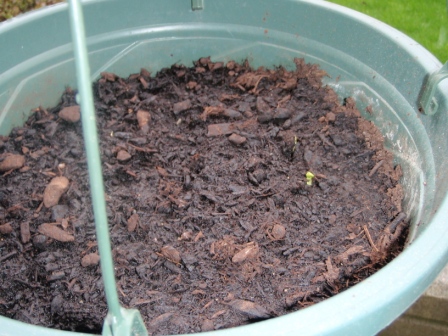
I went away for the Easter weekend, during which we had sunshine and warm temperatures. The weather, and likely just the few extra days, have led to seedlings in the garden!


Toy choy


Buckwheat


Oregon Sugar Pod


Last night I also pulled out my Aerogarden to start seedlings that will go outside in May. The Aerogarden is a counter-top hydroponic system for growing tomatoes, herbs, salad greens and flowers. I’ve tried the tomatoes and herbs, but I find it is better used as a seed starter rather than growing the seed pods they offer. It takes a fair bit of electricity to run this because it has a water pump (24/7) and lighting (17 hrs/day).

I have started ‘Bright Lights’ Swiss Chard (3 pots x 4 seeds) and Early Butternut Squash (2 pots x 2 seeds). I’ll also start my Baby Blue Hubbard Squash that will go in my Dad’s garden too, but have to pick up the seeds first.

Categories
Garden Stuff Vegetables

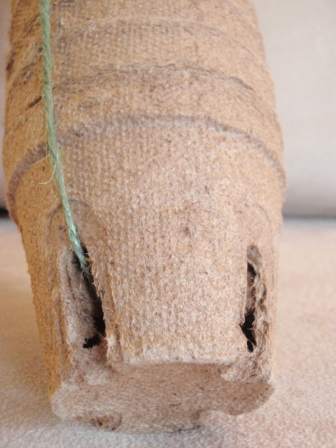
Peat Pots

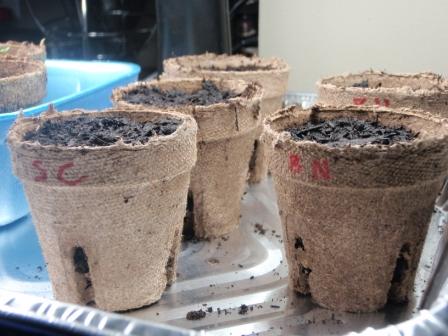
I thought I would give these peat pots from West Coast Seeds a try this year, instead of peat pellets or small plastic containers. In the past I have found that my peat pellets sometimes go mouldy, so perhaps these will be a bit better. The point of using these is so that you minimize shock when transplanting by not disturbing the seedlings’ roots. I plan on starting my squash seeds in these, so I’ll fill them with Sea Soil and hopefully I’ll have plenty of healthy Butternut and Baby Blue (Hubbard) squash seedlings.

*Just a note: I will try growing a Butternut squash plant on my patio, but not the Baby Blue Hubbard as they can be very big. My Baby Blues will live in my dad’s garden, which has a lot more room and a lot more sunshine!

Categories
Garden Stuff Vegetables

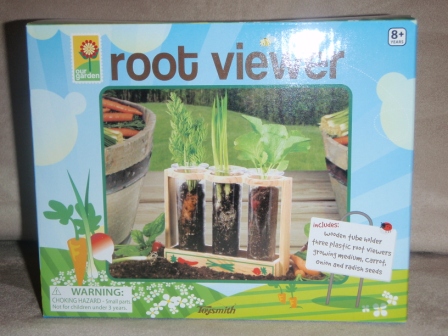
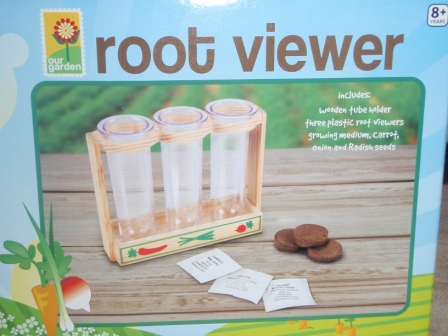
Root Viewer

I found this Root Viewer at West Coast Seeds and thought it would make a pretty cool birthday gift for my friend’s daughter. It comes with 3 plastic beakers, a wooden stand, and peat pellets & seeds. The point is that you can watch your veggies growing in the beaker with a view of what’s happening both on top of and inside the soil.


My friends have a community garden plot, and their daughter just turned 3. The box says ‘8 yrs and up’ so I think my friends will be the ones tending to the seeds, but I think she is old enough to appreciate the outcome. Then when it’s time to visit the garden plot, she’ll have a sense of what’s going on in the ground too.

Spam prevention powered by Akismet