Categories
Vegetables Winter

First official sowing of 2013

Timing

Although I have been working in the garden for several weeks now and throwing seeds into the soil randomly to see what would grow, my first official seed sowing was this weekend on February 16, 2013. This is about 4.5 weeks earlier than last year, and the purpose is just to experiment with the micro-climate on my patio.

Soil

Over the winter I have been watching some interesting YouTube gardening videos and have picked up some tips especially for container gardening. This year I am focusing on building my soil and amending the existing Sea Soil in my containers with the following:

  • Fresh Sea Soil compost (to add organic matter and maintain soil structure)
  • Vermiculite (a natural lightweight mineral substance to maintain moisture)
  • Worm castings (for nutrients and hopefully beneficial microbes)
  • Rock dust (to add/replace trace minerals beyond the usual N-P-K in fertilizers)
  • Dolomite lime (a few tablespoons, much of the soil has been in the containers for years and has never been limed, so is likely quite acidic)
  • Dry ‘organic’ fertilizer (a few tablespoons, just because I have it and to replace some N-P-K)
  • Crushed egg shells (run through the Magic Bullet, in theory it should add calcium to the soil, but I’m not sure it it is in a form that is available to the plants – the granular texture will also help with drainage)

Seeds

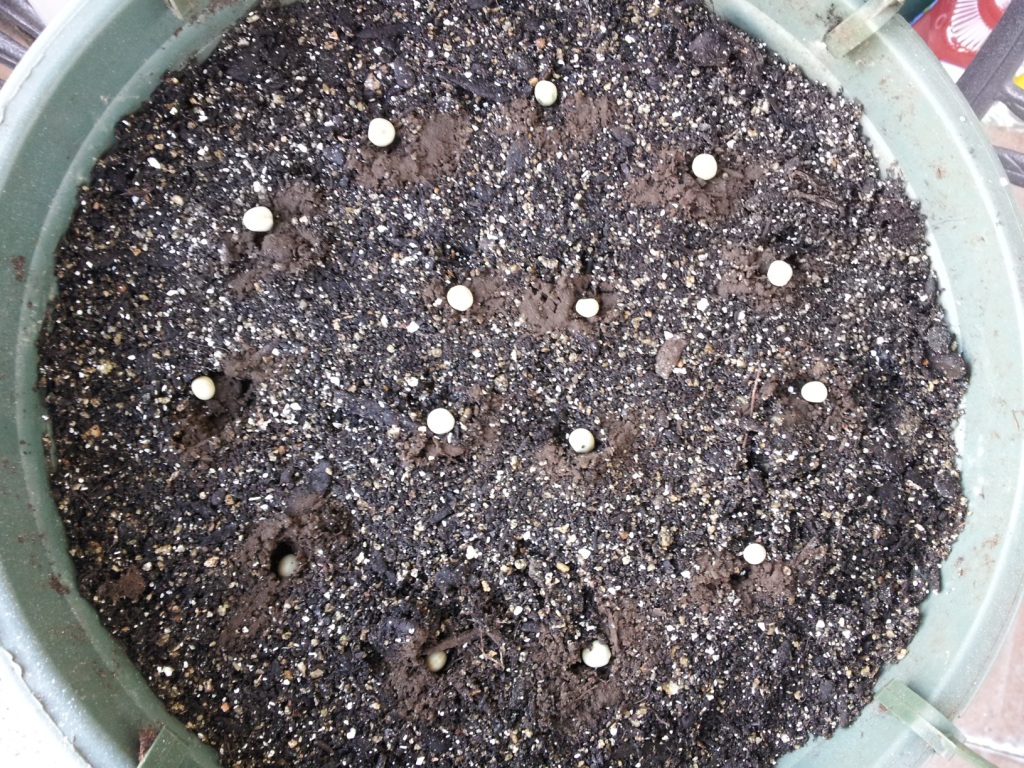
I sowed two containers of Oregon Sugar Pod, with both seeds that I had from last year and new seeds I purchased.  As I did last year, I planted in a hanging basket and a 12″ pot, and used innoculant to promote the nitrogen fixing ability of these legumes. I decided not to use the Little Marvel seeds… at least not yet, as I had to re-sow a couple of times last year, so obviously they do not hold up to the cold, damp winter weather as well as Oregon Sugar Pod. I also moved the 12″ pot closer to the house so it is warmer and slightly covered — because perhaps the location of the container last year slowed germination.
 

I also sowed some spinach, as it is a cool weather crop which tends to bolt when the days get too long and hot warm. I have sowed a 12″ pot (that used to contain my poor old woody lavender) with Tyee, which is supposed to be a good year-round variety for us on the west coast. It apparently germinates in temperatures as low as 5°C, so I thought I’d give it a try in mid-February.
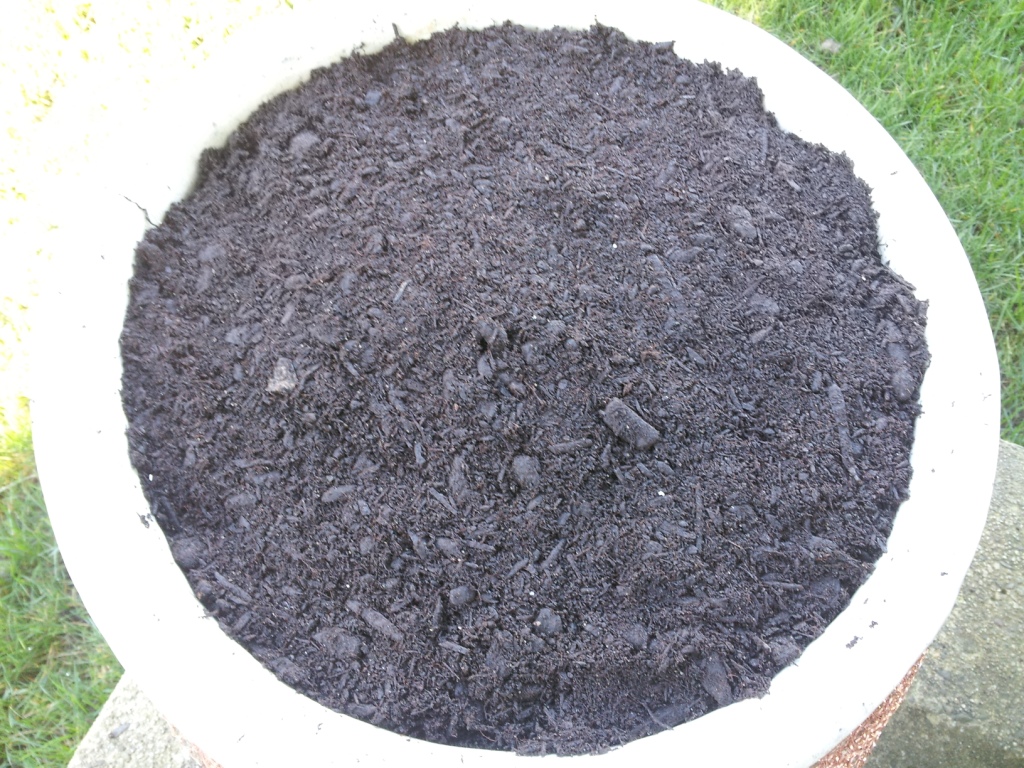
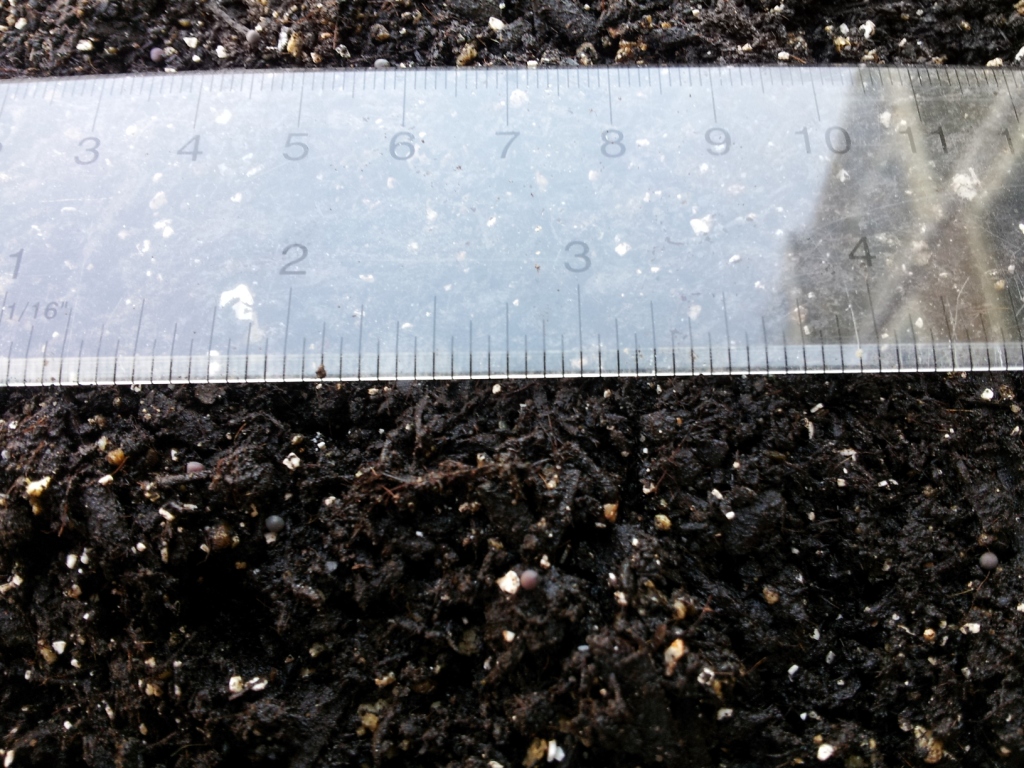
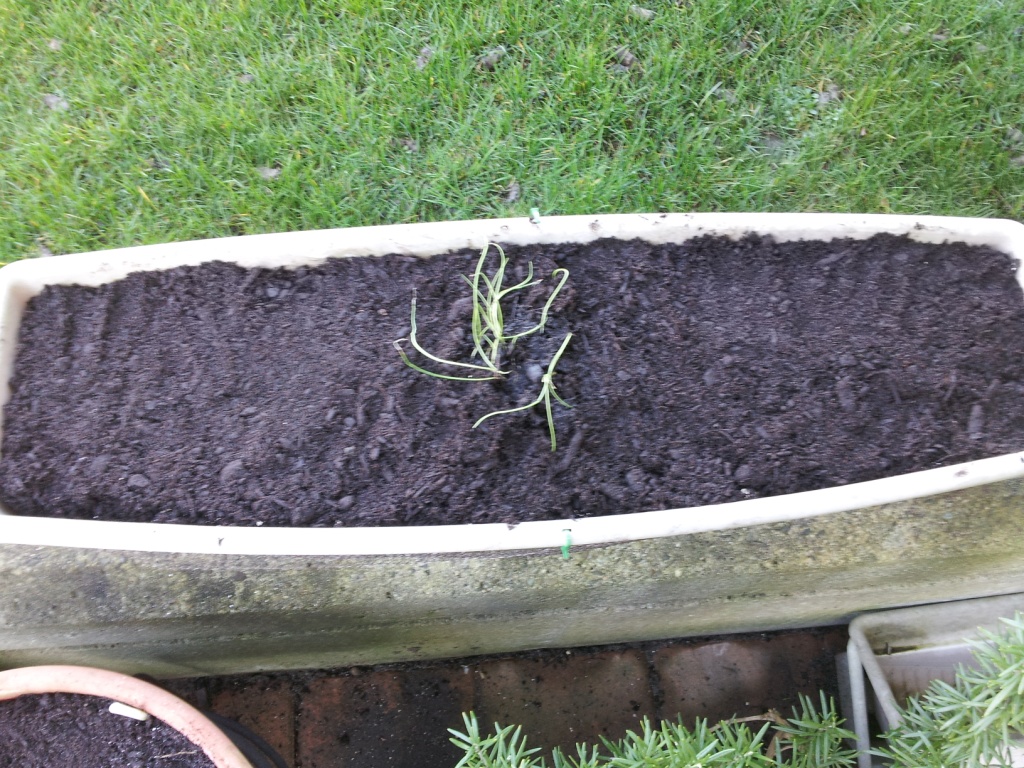
I also planted some Toy Choy, or baby bok choy. They grew quite well last year but we only got one real harvest from them as my second sowing bolted really quickly. So I thought starting a month sooner may help us get another harvest in. You may have to zoom in to see the seeds, but I sowed 3 rows in my long container. I also plopped in some scallion starts in the middle… which I’m unsure if they will make it this early in the year!
 

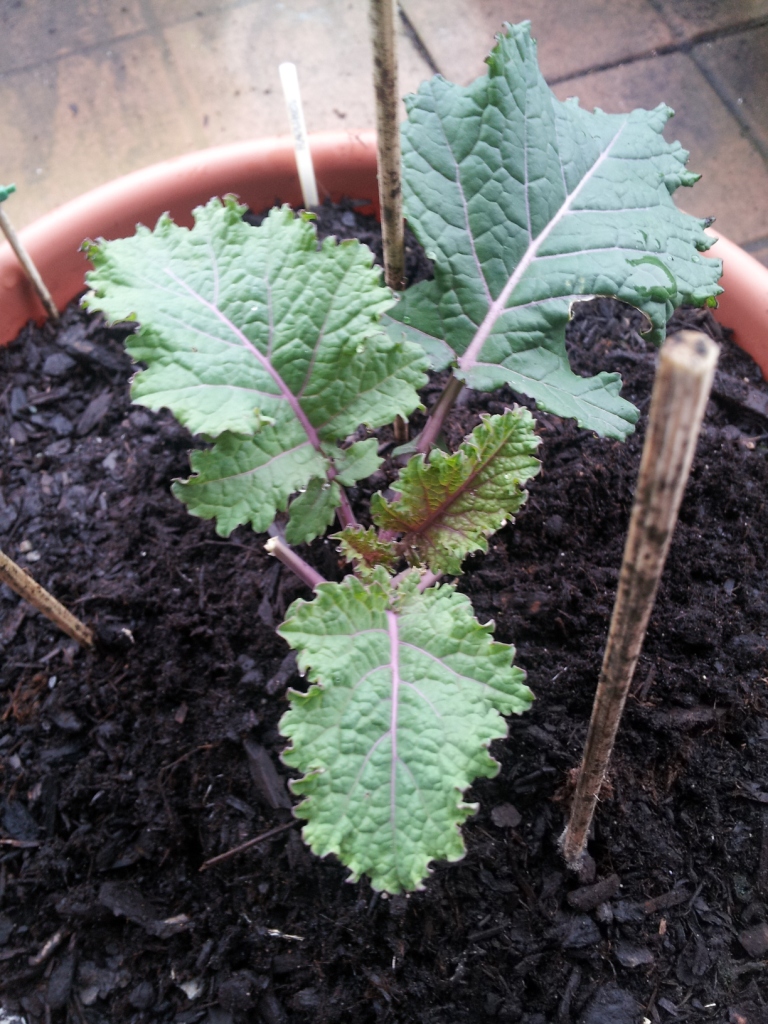
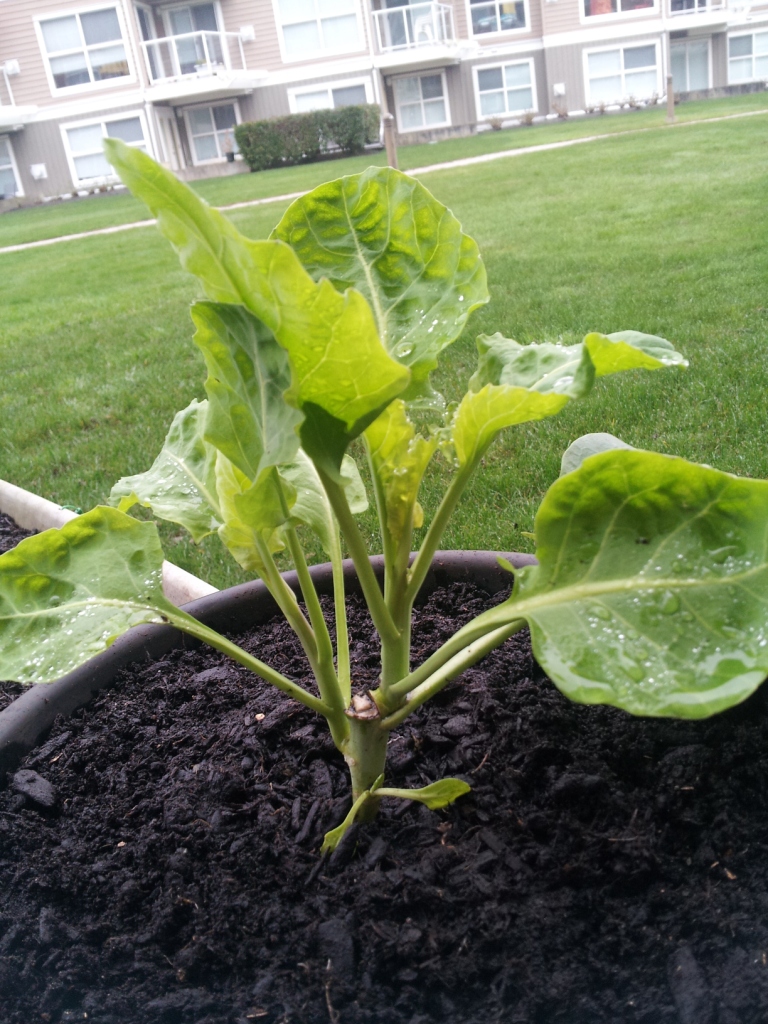
Aside from that, I am still slowly harvesting rainbow lacinato kale, gai lan, and beet tops every now and then, though next winter I will grow more so that I actually have more than a couple of leaves to eat at a time!
   

Categories
Vegetables Winter

Visit to a community garden

On Friday we visited the local community garden where we hope to secure a plot this spring. We wanted to check out the plot sizes and general condition of the gardens, and found some inspiration too!

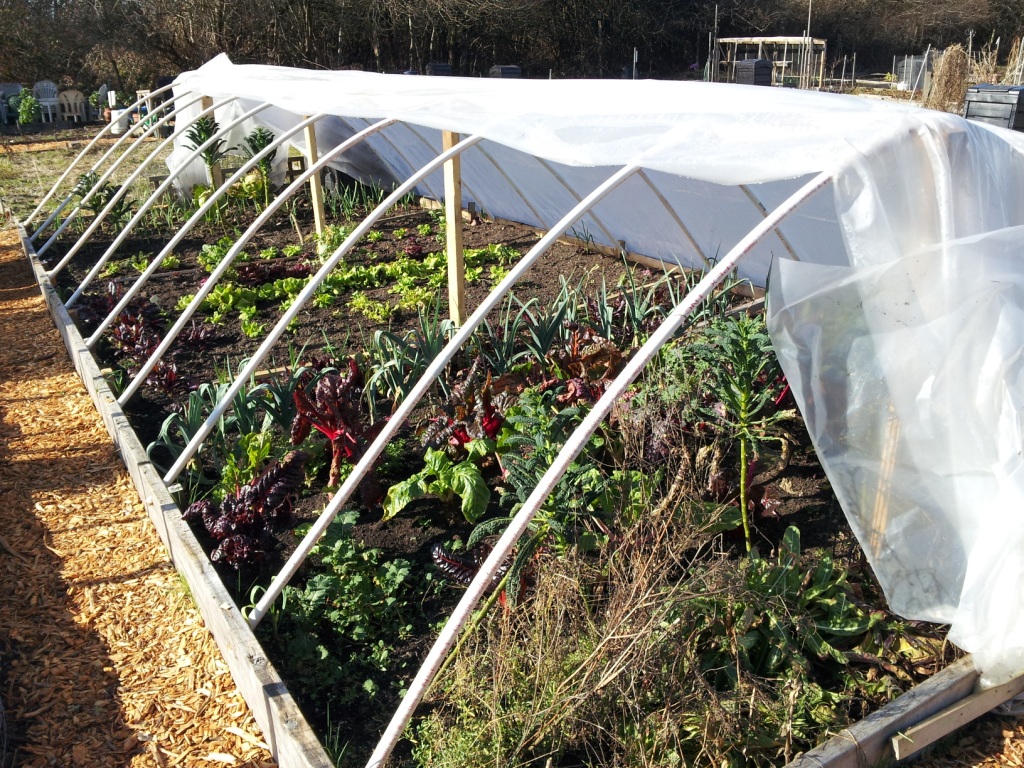
Amazing hoop house

This hoop house covered the entire plot, which we eyeball at 8′ x 16′. They used PVC pipe ribs which were pushed down into the ground against the wood border, and supported by 2’x4’s in the middle and along the top.

They used plastic film, though in talking with a neighbouring gardener, it seems the plastic gets too warm and damp inside. I will likely use heavy row cover in the winter and then switch to light-weight row cover in the summer to maintain air circulation.

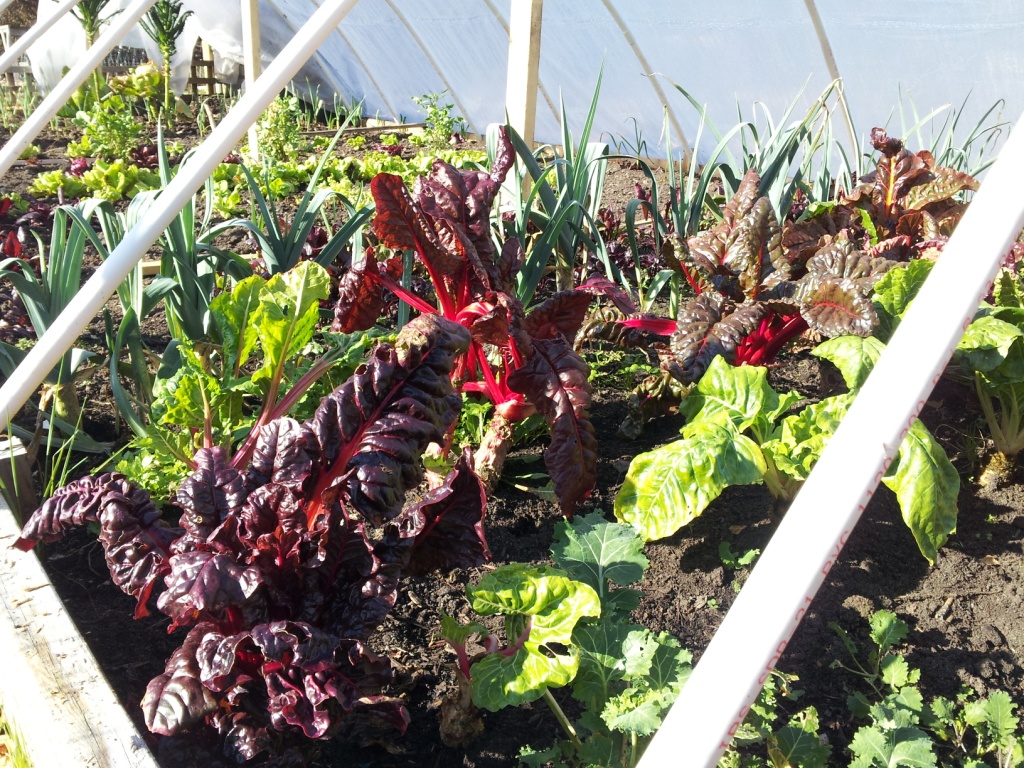
However, check out this amazing bounty (see pic below) these gardeners are growing in mid-Februrary.

Hoop house bounty

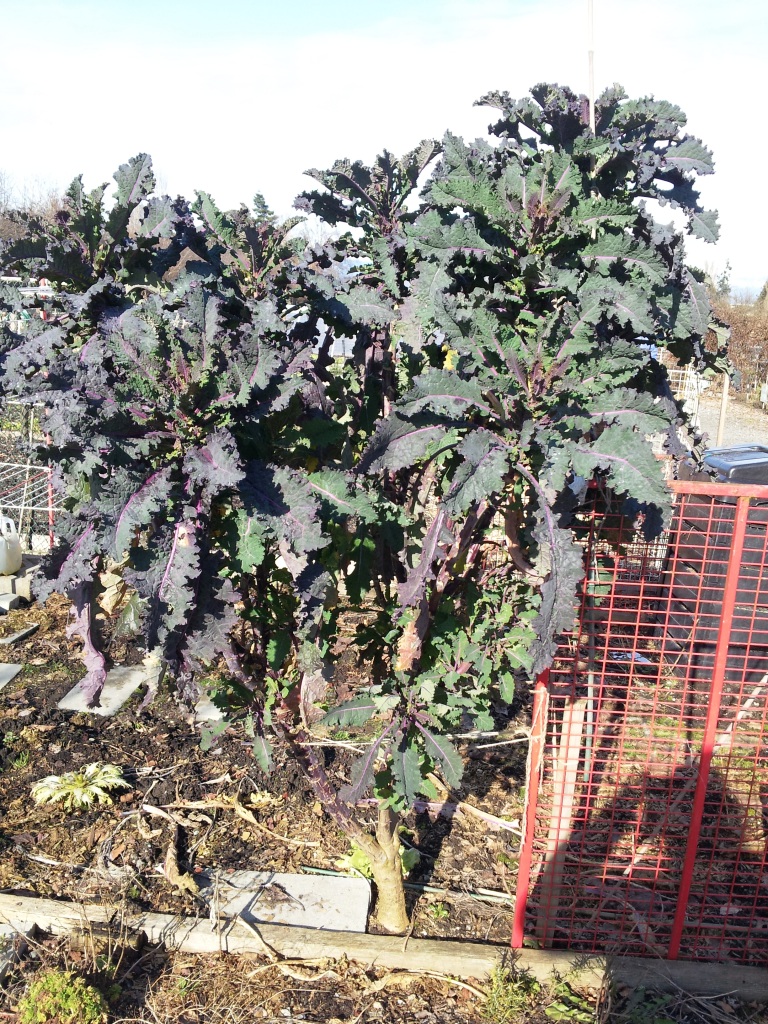
Another garden plot is growing some kind of kale… perhaps Red Russian? I don’t think it’s a tree collard or tree kale, but I guess our winters are so mild that it’s turned into a tree. The ‘trunk’ was almost 2″ thick!

Kale tree

Categories
Spring Vegetables Winter

Random seed sowing

Well, my green thumb is itching to get planting, so I randomly planted one of my long containers today with Swiss Chard, beets, and spinach in hopes of starting a cool-weather-tolerant container of leafy greens that will be ready in the next couple of months. We’ll see how this goes!

UPDATE: I also just checked the Environment Canada long range probability forecasts and it looks like we are likely to have a 70%-80% chance of below normal temperatures this spring. Looks like it will be cool weather veggies for a while.

Categories
Vegetables Winter

Theft in the patio garden!

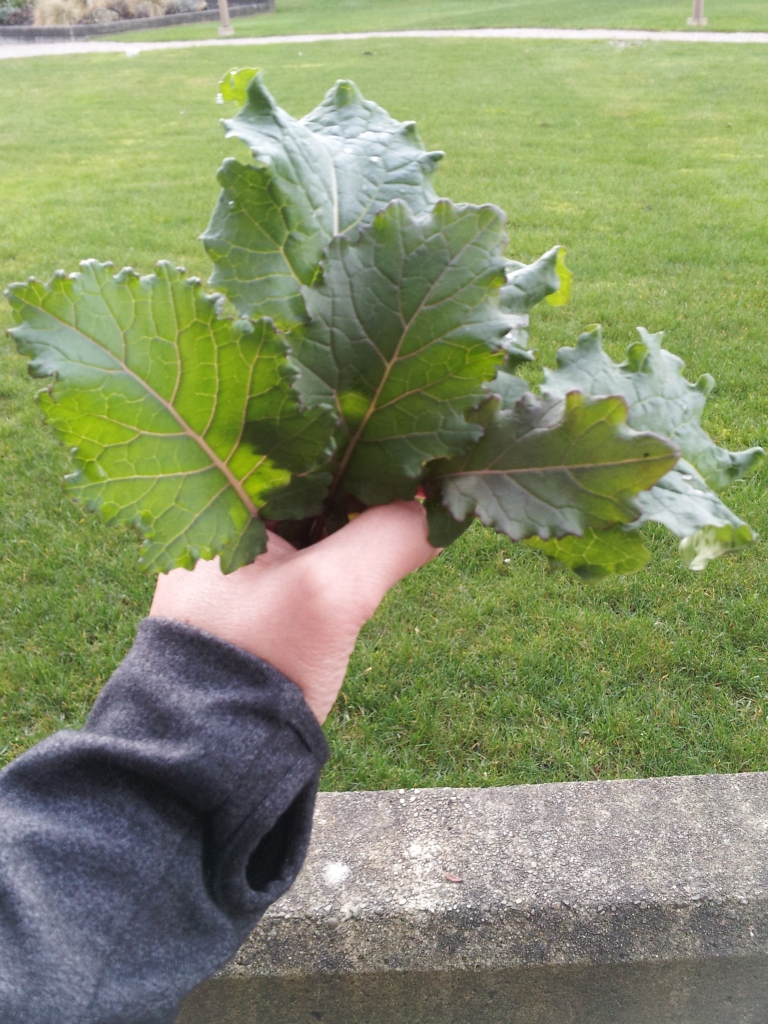
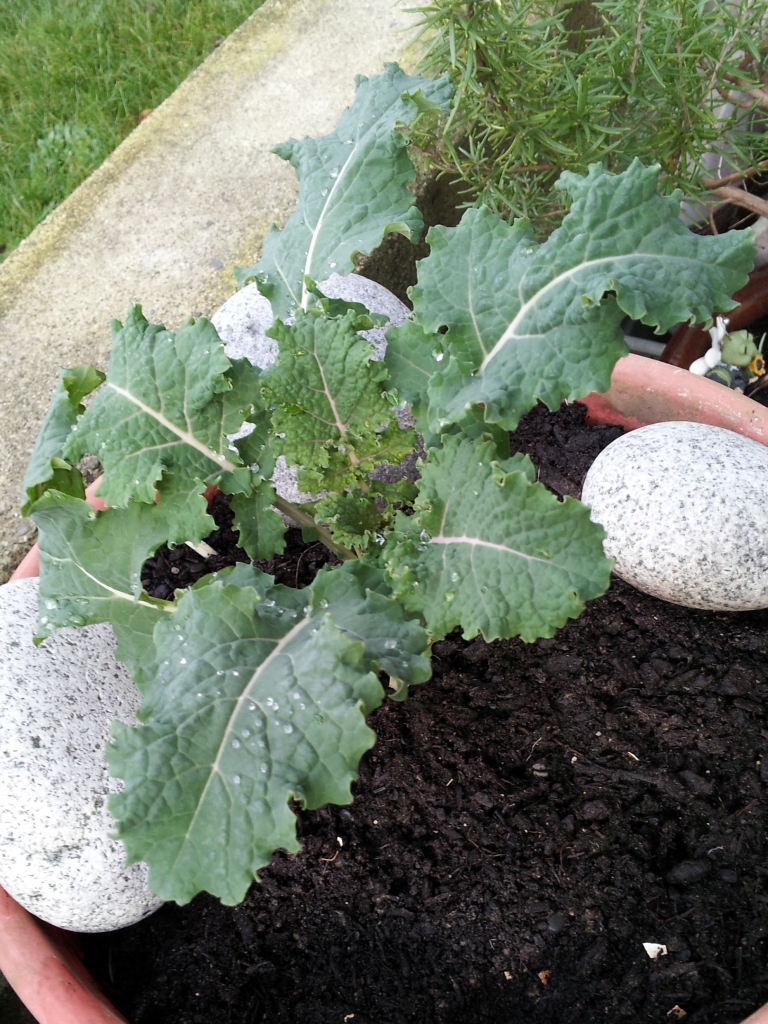
Although they got a late start, the Rainbow Lacinato kale was coming along nicely. I even got one handful of a harvest on January 2nd. It had been growing well under a lightweight row cover cloth, but seeing as how we were forecast to have a week+ of sunshine I thought I’d take the row cover off to allow as much sunlight as possible.

January 2, 2013January 2, 2013

I also decided to pull out the fish fertilizer to try to bump up the nutrients as much as possible… and then it happened!

January 17, 2013

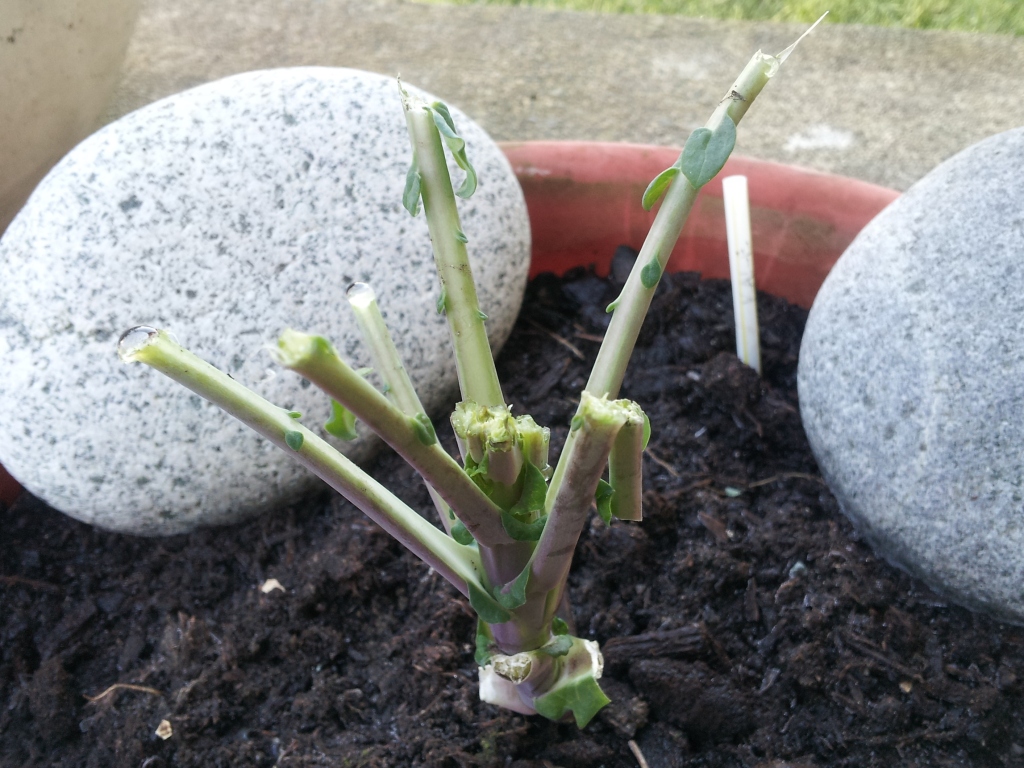
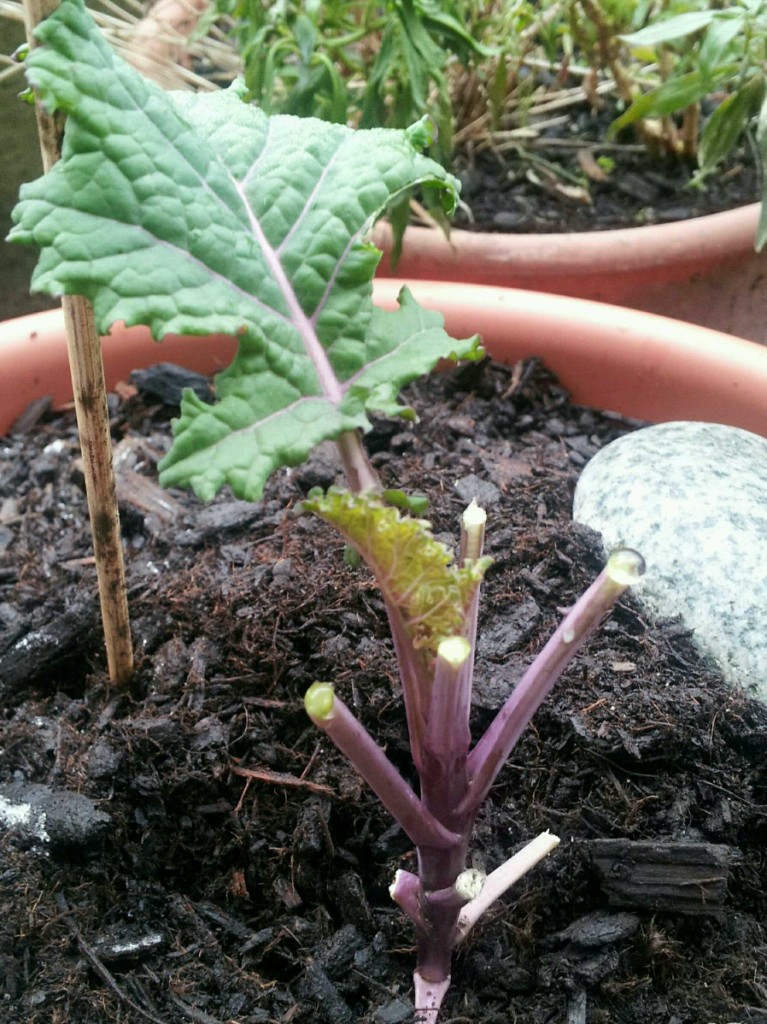
On Thursday morning I woke up to find that the kale plant closest to my patio edge was stripped down to the stalk.


January 18, 2013

On Friday morning I woke up to find that the thief had been back overnight, but at least this time had mercy and left a leaf and the growing tip.


The consensus on Facebook is that this is some type of rodent (rabbit, raccoon) coming by to eat the yummy leaves during this cold snap we are having. I have a feeling the fish fertilizer was the attractant.

Since the second plant may have a fighting chance, I have placed a toilet paper tube around the base and replaced the row cover. Hopefully this will be enough to keep the thief away. If not, I will use the GoPro and conduct some surveillance!

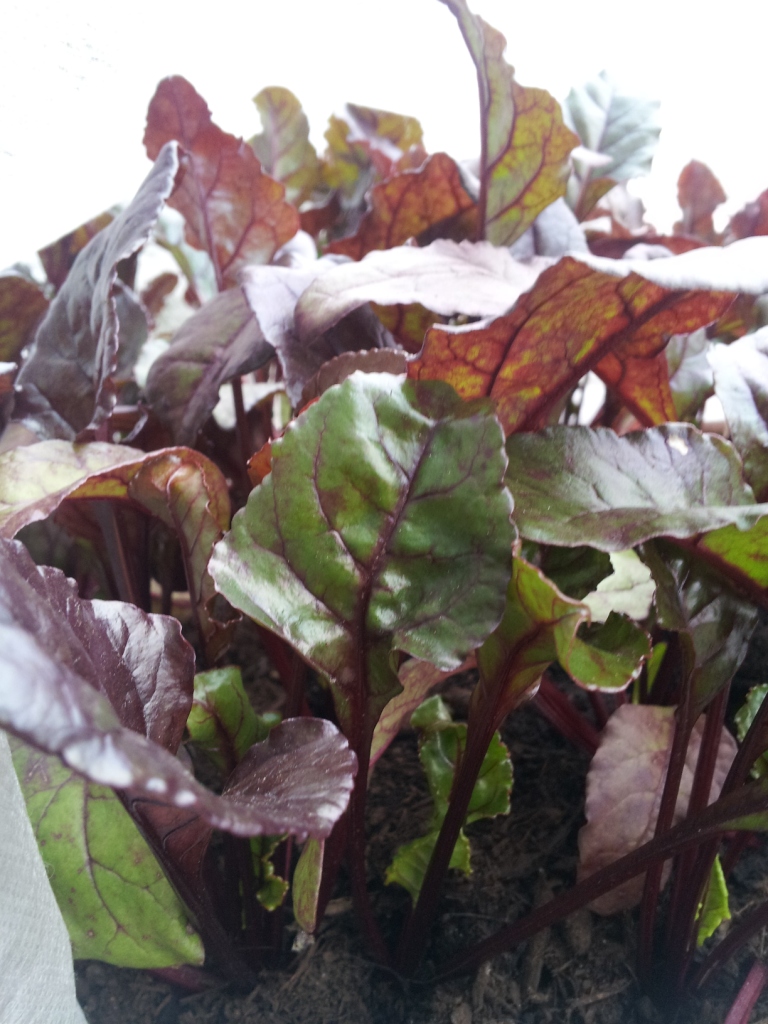
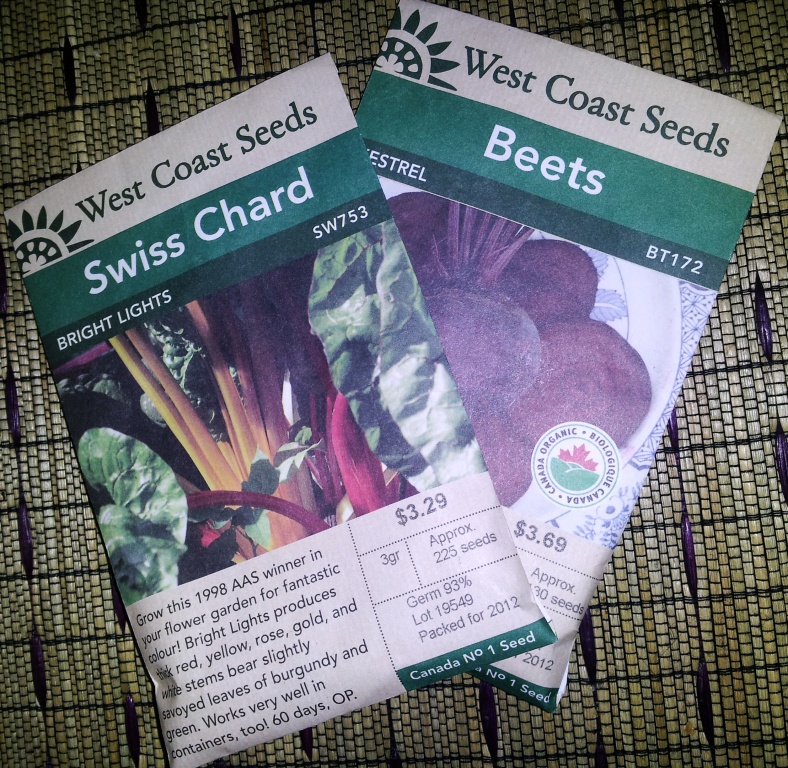
On another note the beets are still surviving, but I have my doubts that they are actually making any edible roots. It makes me wonder if these are the Kestrel variety I thought I got or if they are actually Bull’s Blood, which are grown for salad greens and don’t really make bulbs.

Spam prevention powered by Akismet