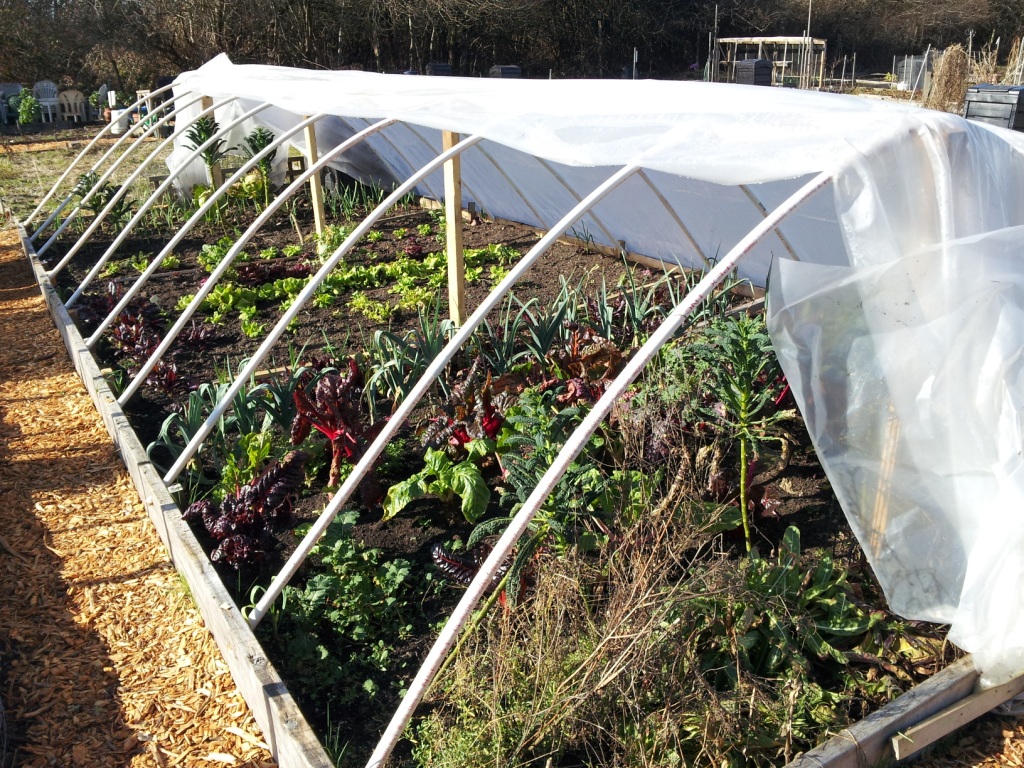
I may have mentioned that I am trying winter gardening this year.
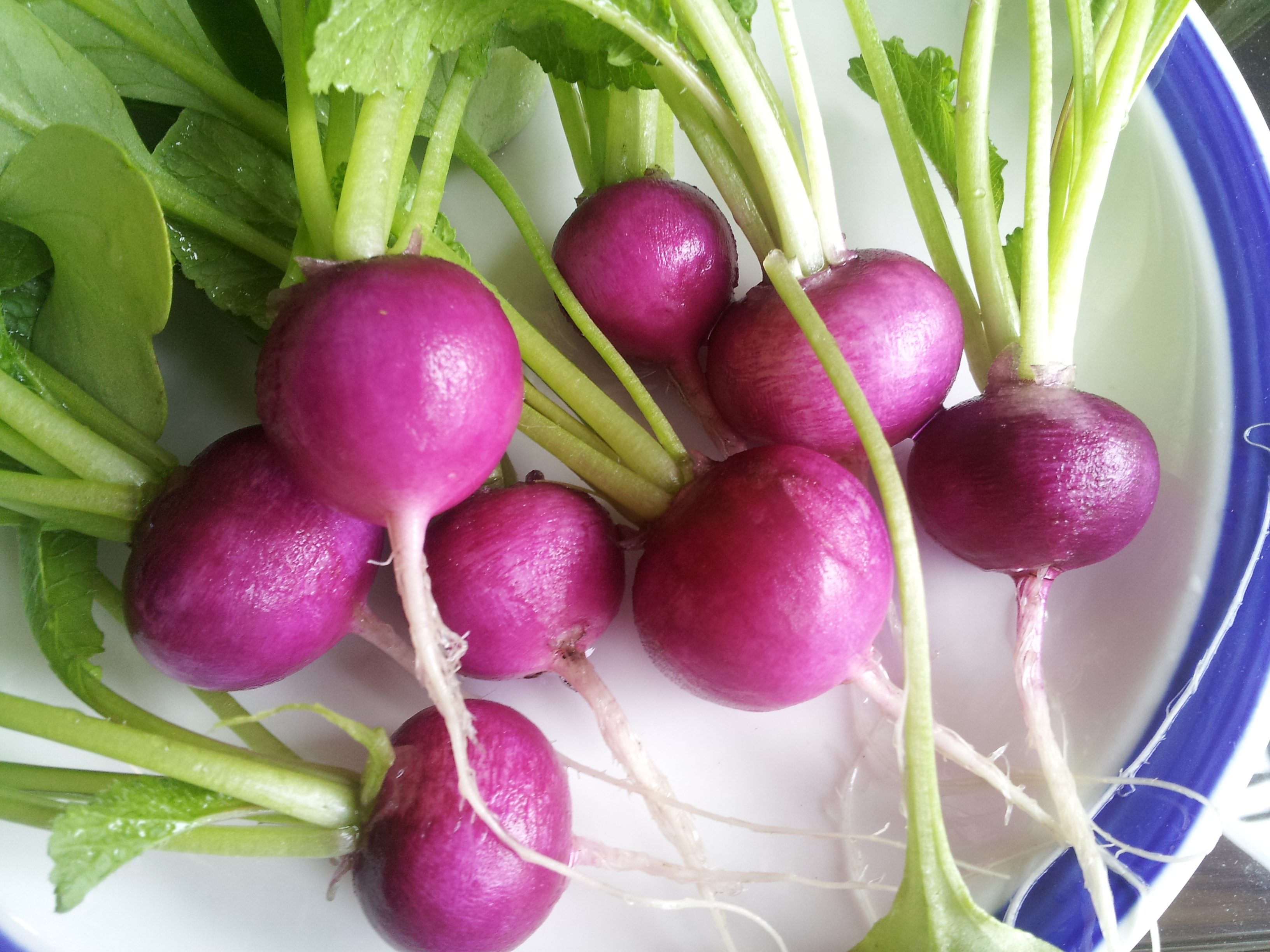
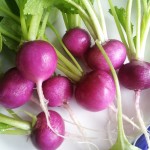 I have already harvested my radishes, which matured very quickly with our warm September. These were planted on September 10th and harvested the second weekend of October. We had an unseasonably warm and dry September this year, though I’m not complaining!
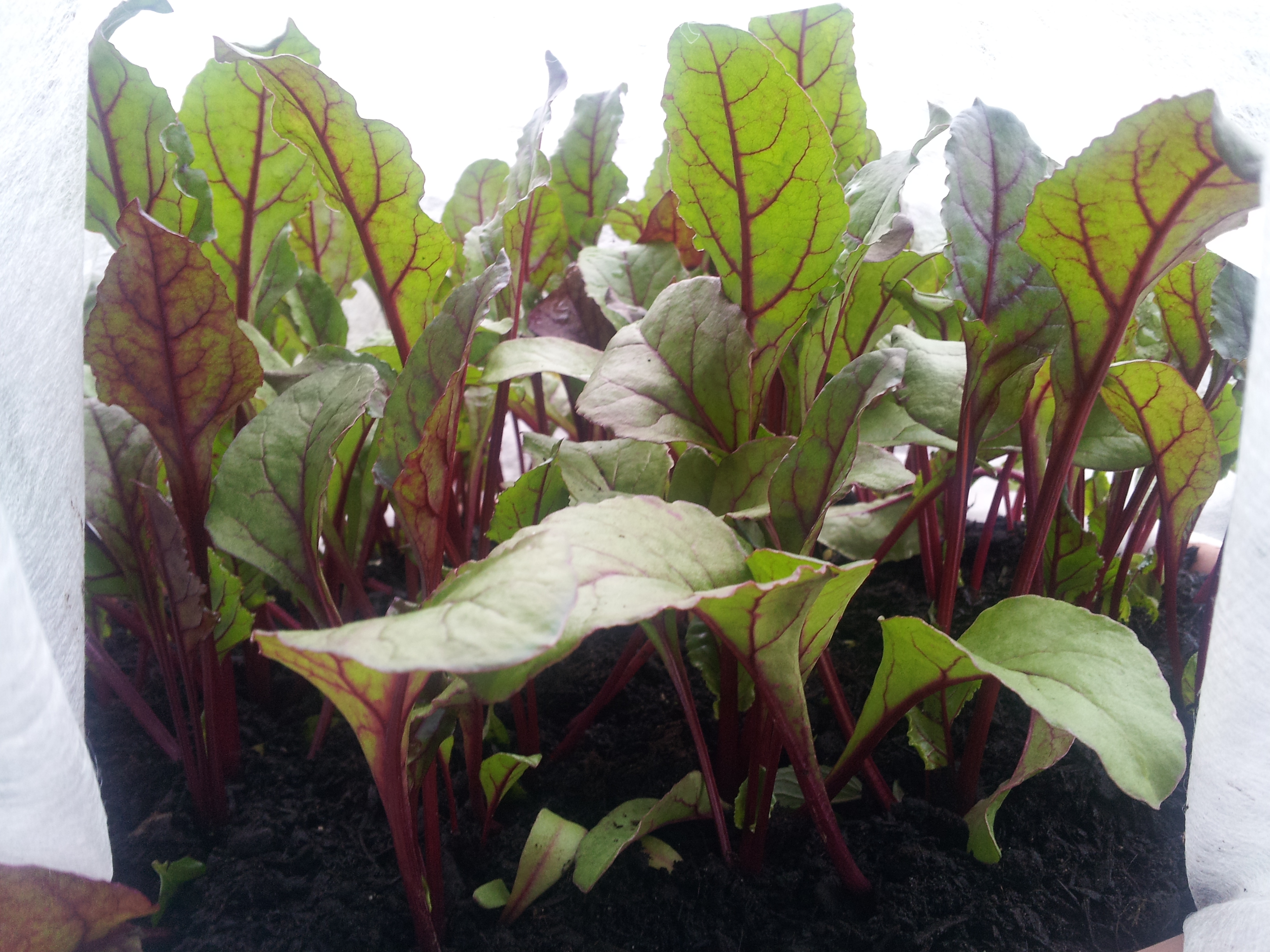
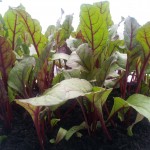 These Kestrel beets were also planted on September 10th and have been growing under a light weight row cover cloth to keep out pests. This progress picture was taken on November 2nd, and while I have added a layer of SeaSoil as mulch and moved the pot close to the building to keep them as warm as possible, it may still be a month before they are ready. These beets are growing in 18″ of soil.
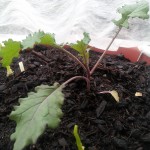
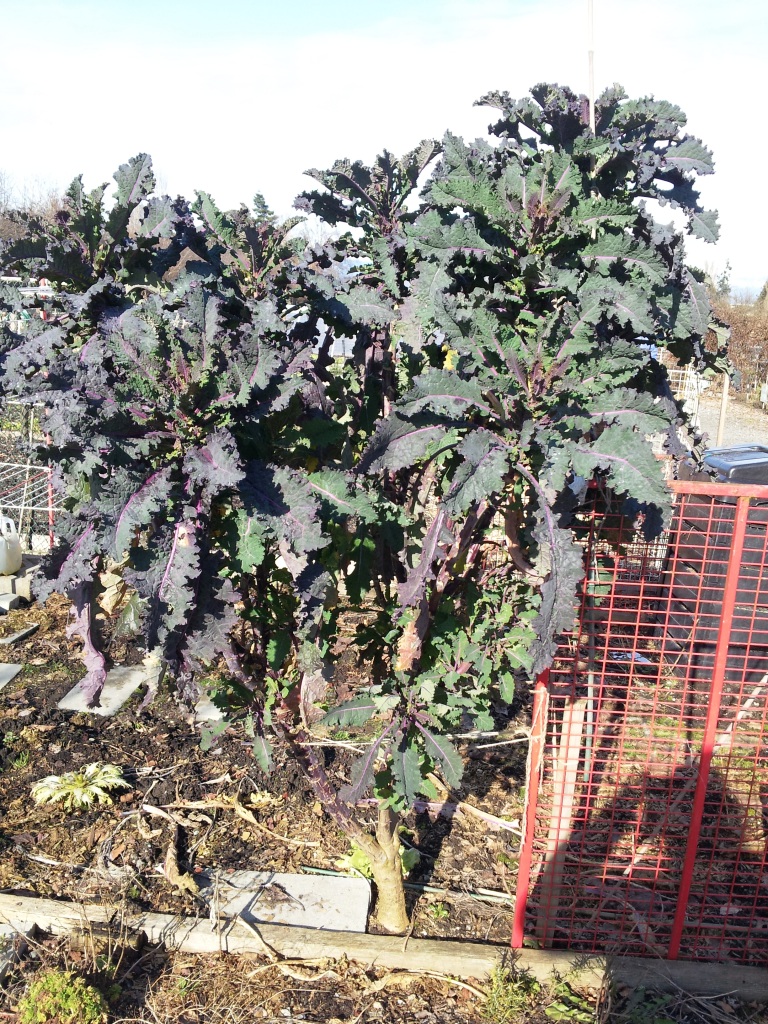
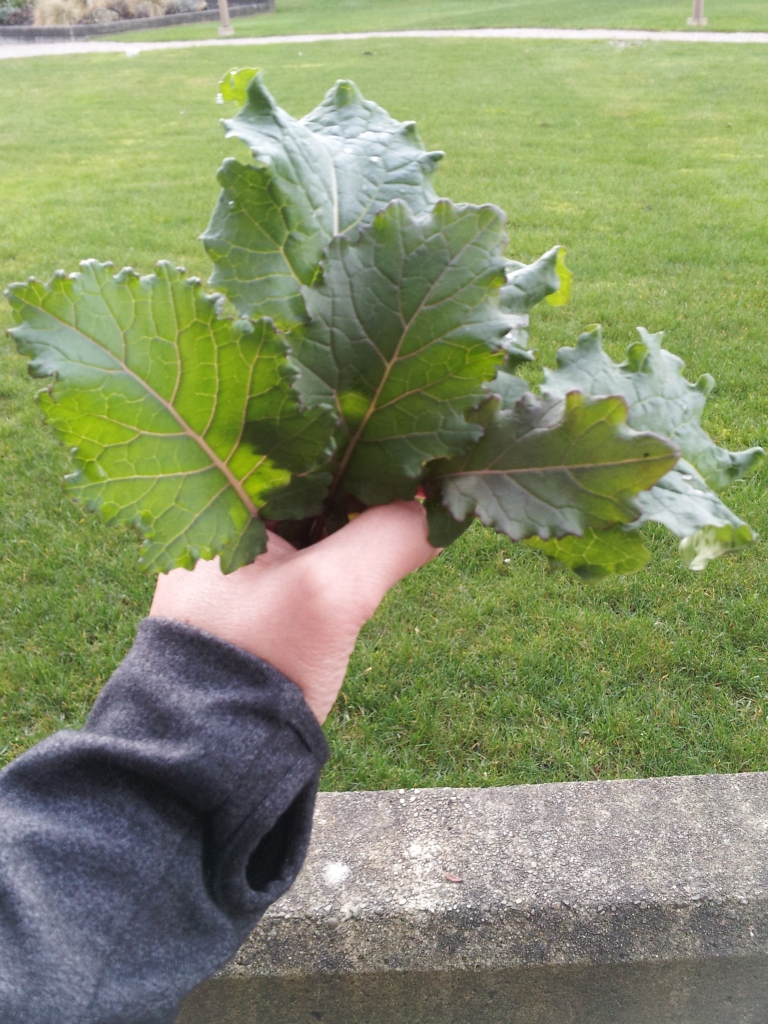
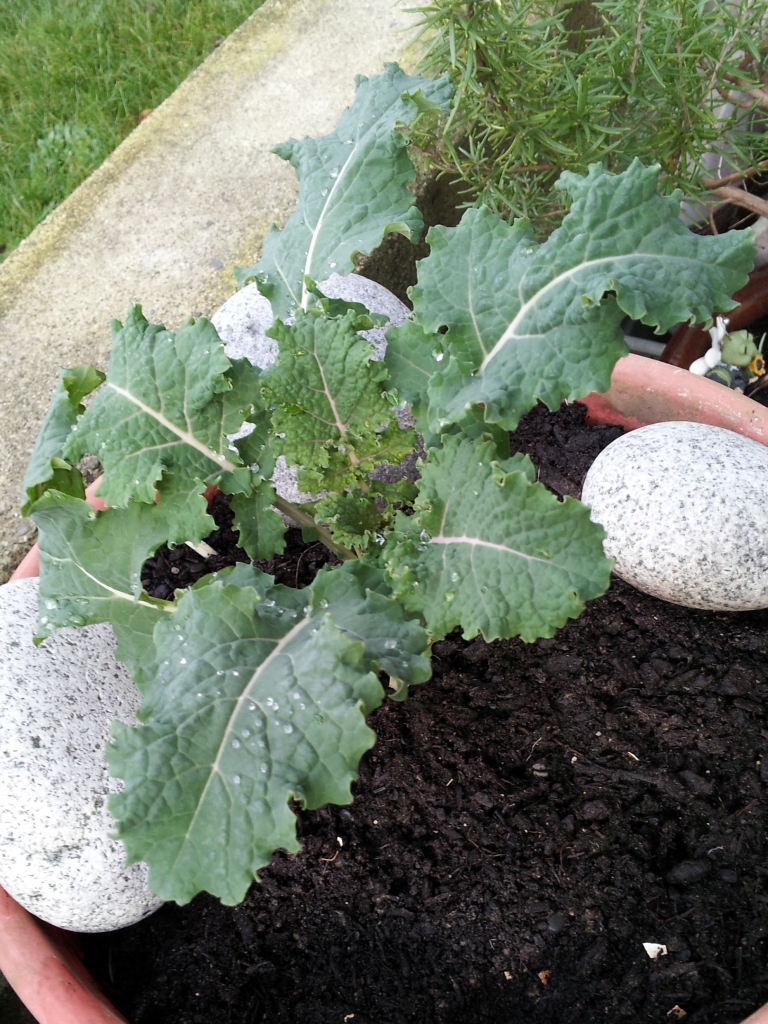
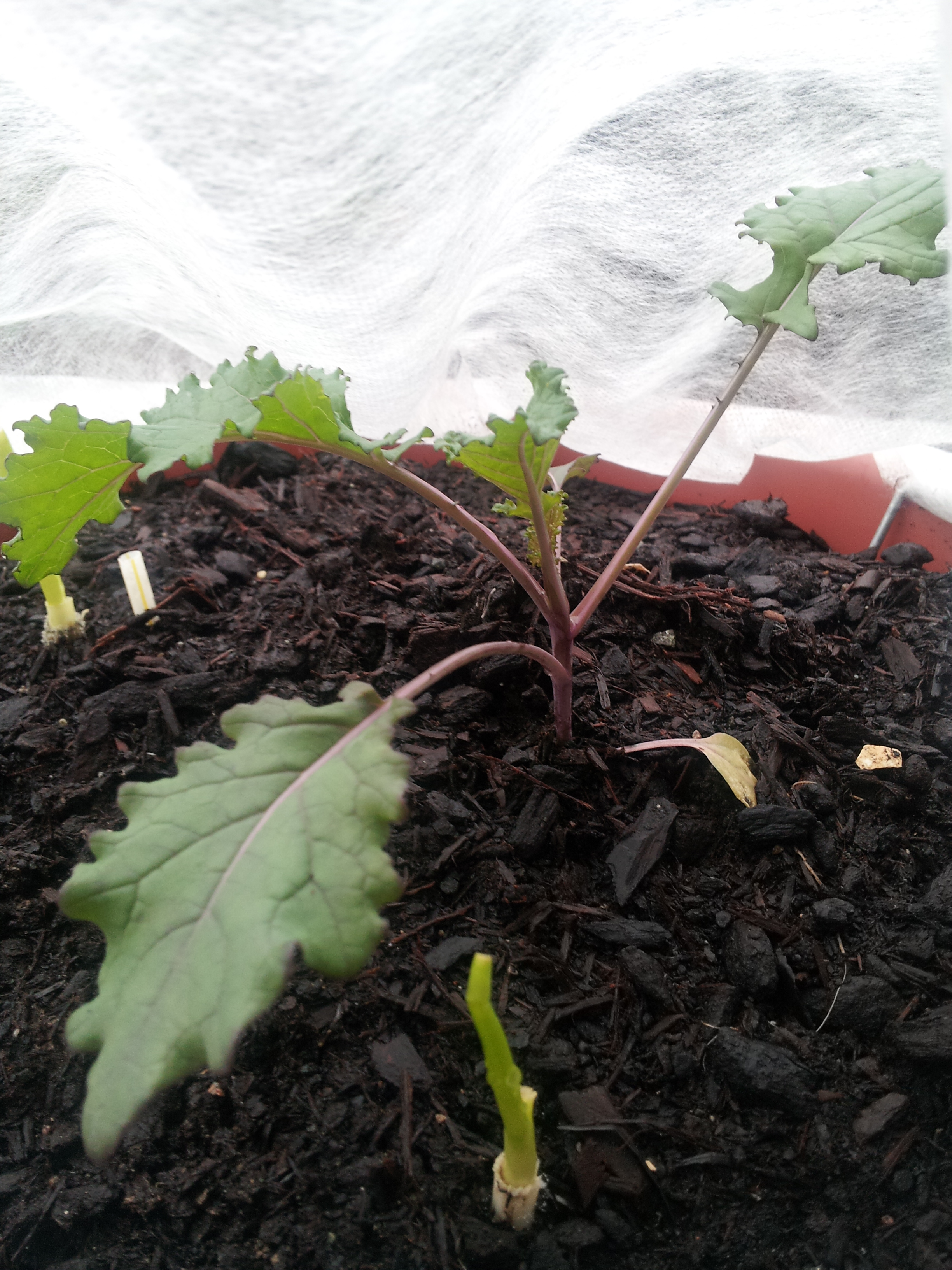
This is my first time growing kale. This is a Rainbow Lacinato kale, which is a cross between Redbor and Lacinato. This was also planted on September 10th and update photo taken on November 2nd, but I am a little disappointed in its growth. I know that through the fall growth will slow, but I will admit that since kale is a cold weather veggie I expected it to be huge by now! There is definitely new growth, and perhaps because this plant is growing where the Swiss chard lived in the summer time the soil may be a bit depleted. I can’t remember if I had added a bit of fertilizer prior to seeding, but regardless it may be too cold for the the fertilizer to break down and make the nutrients available. I just did a feeding of (stinky) liquid fish emulsion fertilizer. I have also topped it up with some new SeaSoil and dug in some glacial rock dust to amend the soil, so hopefully this all helps. My other Rainbow Lacinato which is growing in the pot that held the peas this summer seems to be doing a touch better. I’m guessing it is because the peas helped to fix nitrogen in the soil, especially since I used the inoculant.
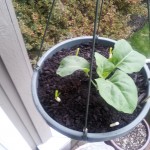
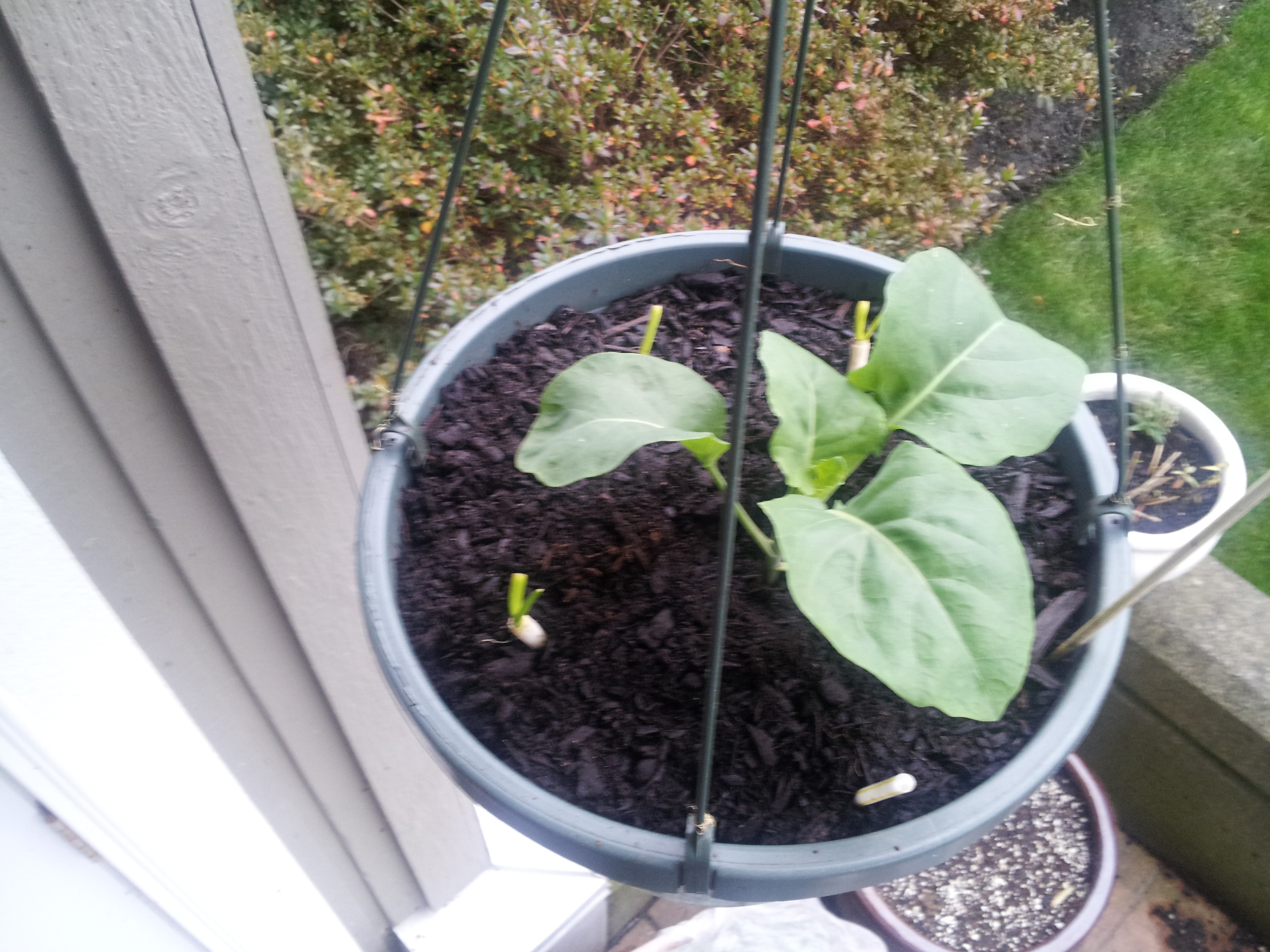
This is also my first attempt at gai lan, an Asian vegetable that is like sprouting broccoli or rapini. I didn’t really know how big these plants get (this is why it wound up in the hanging basket) so I’m not sure how well it will do. I don’t expect to harvest anything until closer to February, but it seems to be doing well. Again, it could be due to the fact that it is in another planter which held peas and therefore there is good nitrogen content in the soil. Next year I may have to plant more of these if we actually want a meal of gai lan.
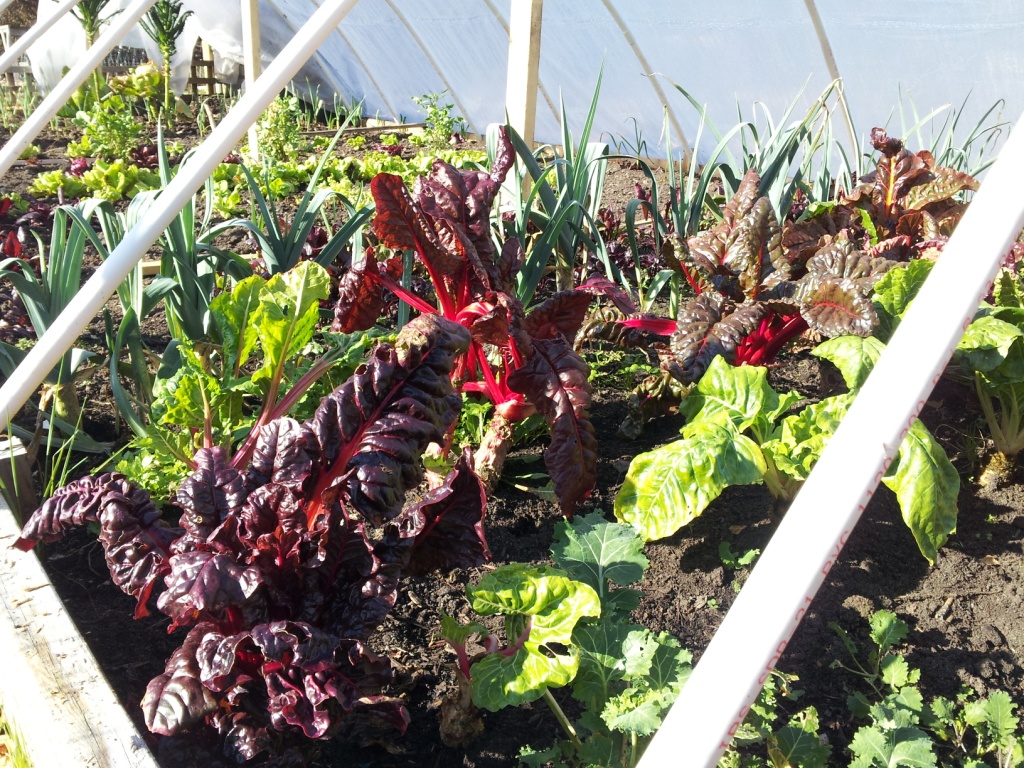
One vegetable that did not do well when I started it from seed in September was my new batch of Swiss chard. The plants I had throughout the summer had started to bolt, so I popped some seeds into one of my 6″ deep planters, but alas they are still a whole one centimeter tall.
You will also see that there are a few scallions popping up in some of the photos. I put out the roots from scallions we bought from the grocery store just to see if they would sprout again. Lo and behold even in the cold snap we had during October they sprouted up like it was nothing! I have started some more seeds indoors, and actually I even started some outdoors just to see what happens. The worst that can happen is, well, nothing! I’ll update in the future on how these little seeds do: Tyee spinach, Rouge d’Hiver lettuce, and Little Gem lettuce. The seeds I’ve got started indoors include Rouge d’Hiver, Little Gem, and Cimmaron lettuce, as well as Apache scallions.