Categories
Biological Sciences Science in the News Uncategorized

An aspirin a day keeps the cancer surgeon away?

Photo credit: Personal Health

Aspirin in our lives

After a long hard day, you come home and you are ready to relax. But beforehand, you want to alleviate you headache first. Naturally you pop up an aspirin. Aspirin is also known as acetylsalicylic acid and it is commonly used as a painkiller, anti-flammatory drug and antipyretic to reduce fever. However, many people underestimate the power of aspirin. The truth is that aspirin can play huge roles in improving our health, such as preventing heart attacks, strokes and bowel cancers.

Lynch Syndrome

             In a recent study done by Newcastle University’s professor Dr. Sir John Burn, two pills a day for two years reduced the incidence of bowel cancer by 63% in a group of 861 at-risk patients. All the patients had Lynch syndrome, which is also known as HNPCC( Hereditary nonpolyposis colorectal cancer ). This syndrome is a genetic condition which has a high risk of bowel cancer as well as other cancers in stomach, ovary and small intestine. This increased risk for these cancers is because patients with this syndrome have genes that fail to detect and repair damaged DNA. Since cancer is made of cells that grow uncontrollably, if your body cannot fix damaged DNA, you are more likely to develop cancer in many parts of the body.

Photo credit: Personal Health

The research

                  What is marvelous about this new study done by Sir John Burn is that it provided an overwhelming evidence of a way that patients with Lynch Syndrome can reduce the development of bowel cancer. Over the two years, those who were given 600 milligrams of aspirin every day developed bowel cancer 63% less than the patients who simply took the regular medications for at least two years.

Therefore Sir John recommends that “people who’ve got a clear family history of, particularly, bowel cancer should seriously consider adding low dose of aspiring to their routine and particularly those people who’ve got a genetic predisposition.”
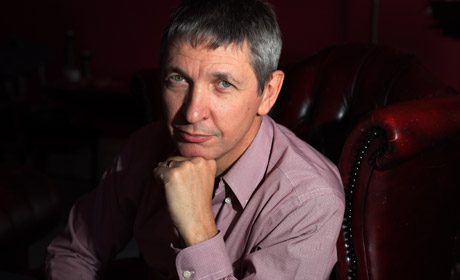
 

Photo credit: Journal Live

The ugly side effects

             Although aspirin may help to prevent developing bowel cancer, it has some potential deadly side effects. Some of them include gastrointestinal bleeding, angioedema (swelling of skin tissues), ulcers, and strokes caused by aspirin. Therefore, one of the questions that arise is that whether healthy people with no family risks should take aspirin to prevent cancer development. Sir John said that it was a “finely balanced argument” and that he decided the risks were worth it for him.

“I think where we’re headed for is people that are in their 50s and 60s would look very seriously at adding a low dose aspirin to their daily routine because it’s giving protection against cancer and heart attack” 

 In a way, aspirin is a double edged sword. It can be hugely beneficial for those who have lynch syndrome but it could also bring the unwanted side effects. Even though this may be a breakthrough in preventing cancer development, we must remember that it is us, the patients, who have the power to choose what is the best for ourselves. Therefore, we must educate ourselves and decide what is the most suitable option for our bodies.

More Resources:

The BBC News articles :

Daily aspirin ‘blocks bowel cancer’ by James Gallagher

http://www.bbc.co.uk/news/health-15475553


Aspirin : What are the risks and benefits?

http://www.bbc.co.uk/news/health-11936078


References

Burn,John, et.al.  Long-term effect of aspirin on cancer risk in carriers of hereditary colorectal cancer: an analysis from the CAPP2 randomised controlled trial. (2011 )The Lancet . DOI: 10.1016/S0140-6736(11)61049-0

http://www.thelancet.com/journals/lancet/article/PIIS0140-6736(11)61049-0/abstract

Categories
Biological Sciences Environment Public Engagement

Do not let your “waste” go to waste!

HAITI

Most of us remember, back in January 2010, the devastating earthquake occurred in Haiti which caused over 250,000 deaths. Then came the outbreak of cholera, which is an infection of the small intestine that causes severe diarrhea and vomiting. This outbreak is due to lack of sanitation and clean water and has caused over 400,000 Haitians became infected since the natural disaster.

It is not as if Haiti needed the earthquake to gain international attention; it had many problems even before. Two main problems were sanitation and agriculture. Currently, only 16% of rural Haitians and 50% of those in the cities have access to adequate sanitation facilities. Moreover, agricultural output is low due to poor soil fertility, soil erosion and lack of fertilizers.

           Photo credit: CBC news


 SOIL – Sustainable Organic Integrated Livelihood

Although it was amazing to see how much international attention Haiti received, there were a group of people long before 2010 that dedicated their hard work in improving the lives of Haitians.  Please allow me to introduce the group SOIL – Sustainable Organic Integrated Livelihood.

Sasha Kramer, Executive Director and co-founder of SOIL, has been living and working in Haiti since 2004. She first came to Haiti as a human rights advocate, and in 2006 co-founded SOIL with Sarah Brownell. During that year she also received her Ph.D in Ecology from Stanford University.

Photo credit: http://www.oursoil.org/


Dry Toilet

Together, they have transformed the idea of human waste into something more valuable than gold in Haiti. They started something called “ecological sanitation,” which is a low cost approach to sanitation where human wastes are collected, composted and recycled for use in agriculture and reforestation.

Within the toilet, called dry or composting toilet, the liquid and solid parts are separated. Then after a year of composting, it becomes a nutrient rich fertilizer, which can help the agriculture by doubling the yield.  SOIL have already installed more than 50 public ecological toilets for schools and community group across Northern Haiti and they are planning on expanding their project throughout the country

Photo Credit: http://www.oursoil.org/


Since the earthquake, Sasha and her team relocated to Port-au-Price to assist in relief efforts there. After weeks of distributing emergency aid, SOIL began to set up an office in Port-au Prince   in response to the outbreak of cholera and sanitation crisis.

People like Sasha and organizations like SOIL reminds us two things: one- that one person indeed have the power to make a different, and two- we have all the knowledge and resources to do so. Thanks to their hard work, a country with depleted resources is having a second chance to rebuild themselves through sustainable resources.

More Resources:

The New York Times article :

http://www.nytimes.com/2010/12/02/opinion/02kristof.html?_r=1&ref=nicholasdkristof

Sasha Kramer’s Blog :

http://www.oursoil.org/blogs/sashakramer


References:

“Quake death toll may top 100,000: Haitian PM”. CBC News. January 2010.

http://www.cbc.ca/news/world/story/2010/01/13/haiti-earthquake.html

Sustainable Organic Integrated Livelihoods (SOIL)

http://www.oursoil.org/

Categories
Biological Sciences Public Engagement Science in the News

The Ugly Truth of Fast-Food Playlands

When you go into a typical fast food restaurant, you see workers busily cleaning the tables and washing the floors to make sure everything are sanitized. However, do you ever ponder how often and how well they clean the children’s playgrounds in the restaurant?

Dr.Erin Carr-Jordan, a child development professor and a mother of four children from Arizona, has visited dozens of restaurant playgrounds in 11 states and over 50 restaurants, such as McDonald’s, Burger King and Peter Piper Pizza, to test them for cleanliness. After taking samples from each playground, she sent the specimen Legend Techincal Services Inc., which is a commercial laboratory that analyses the types of bacteria or pathogens present.

Dr. Erin Carr-Jordan checking playgrounds' sanitation levels


The results were even more shocking than the horrible physical conditions of the playgrounds. Not only were some playgrounds covered with filth and contamination, it was full of harmful microorganisms. The lab analyses have shown a widespread of presence of pathogens. Two strains of bacteria called Streptococcus pneumoniae was found, which causes meningitis. There are two forms of Meningitis, viral and bacterial, and bacterial meningitis is more serious since it can cause severe disease that can result in brain damage and even death.


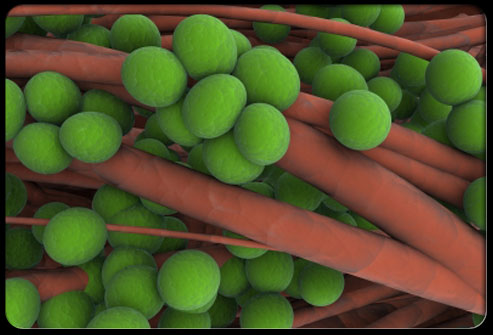
In addition, the results revealed four strains of Staphylococcus, which is a group of bacteria that can cause a multitude of diseases as a result of infection in various tissues of the body. Over 30 different types of Staphylococcus can infect

humans, but most common one is Staphylococcus aureus. It causes Staphylococcal infection, which can progress to crusting or inflammation of the skin. If the bacteria enter the bloodstream, and spread to other organs, a number of serious infections can occur. Staphylococcal pneumonia can affect the lung and lead to abscess formation within the lungs. The infections are contagious and can be transmitted from person to person. Since children, who have weaker immune system, are the ones who use playgrounds, it is appalling to see how contaminated these places are.


Although Dr.Carr-Jordan has a Ph.D. in developmental psychology, she is not an expert in microbiology. Therefore, Philip M. Tierno Jr., director of clinical microbiology and immunology at NYU Langone Medical Center in New York has surveyed Dr. Carr-Jordan’s results to authenticate her claims. He strongly agrees with her by saying “There are very high counts, and that means these places are not cleaned properly or not cleaned at all.”

This is an excellent example of how scientific testing is used to in our daily lives to improve the public facilities. I wish the article covering the story in the New York times would have explained the procedures of the analyses so the public learns what happens when specimens enters the laboratories. Nonetheless, Dr.Carr-Jordan’s efforts in fighting the fast food restaurants for cleaner playground has been successful due to her evidence found in scientific analyses. Now the ugly truth has surfaced, it is time for all fast food restaurants to make the efforts to make the playground a safer and healthier place for children to play in.


 VIDEO

Dr.Carr-Jordan talking about her sanitation investigation

Spam prevention powered by Akismet