
Below is my full conversation with Microsoft Copilot regarding image creation. Full conversation here: https://copilot.microsoft.com/shares/vbQN4rPSXD1bS6WFGgGrH You said Can you generate an image of a person using a computer, with a teacher watching over their shoulder Copilot said Your image is ready now — click the card above to…
Leave a CommentEducationalTech Posts

Task The goal of this task was to create a game using Twine. Background Info: What is Twine? Twine is a free, open-source tool for creating interactive, nonlinear stories using hypertext links. It allows users to build “choose your own adventure” style games through text and hyperlinked navigation. No coding…
Leave a Comment
>> Click here for Manouchehr’s post for Task 9 >> Click here for my post for Task 9 After reading Manouchehr’s post on Task 9, I was surprised to see that someone else had very similar rationale for choosing what 10 tracks to put on their Golden Record. In the…
Leave a Comment
Angela’s Manual Scripts and Potato Printing >> Click here for Angela’s post >> Click here for my original post I chose to reflect on Angela’s Task 4 – Manual Scripts and Potato Printing because the photo of her print immediately caught my eye. The backwards letters made me know I…
Leave a Comment
ETEC 540 – Linking Assignment – Task 4: Manual Scripts and Potato Printing ETEC 540 – Linking Assignment – Task 9: Network Assignment Using Golden Record Curation Quiz Data ETEC 540 – Linking Assignment – Task 11: Text to Image ETEC 540 – Linking Assignment: Task 3 Voice to Text…
Leave a Comment
Introduction In this assignment, I reflect on how the design choices in the game “User Inyerface” influenced my behaviour as a user and heightened my awareness of manipulative design practices in online spaces. The “Attention Economy” Digital platforms are constantly competing for our attention. The “attention economy” describes the ongoing,…
Leave a Comment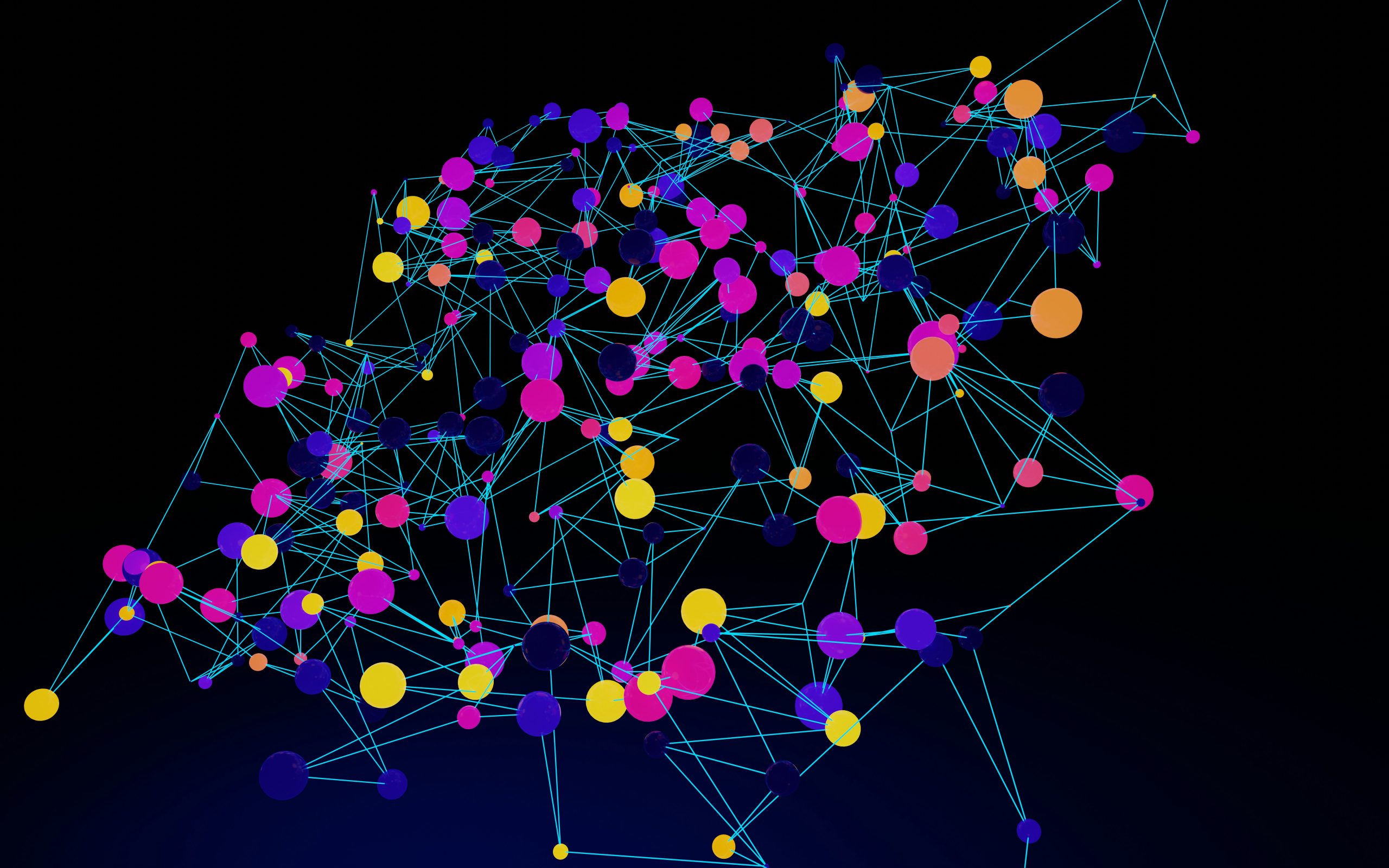
BACKGROUND INFO: TERMINOLOGY NETWORK STRUCTURE AND GRAPH THEORY Vertices, vertex, nodes = an entity and we can ascribe some value to; each person or song in the visualization is a node; they have static properties that can be quantified. Edges, links, ties, relations = can be defined as a relation…
Leave a Comment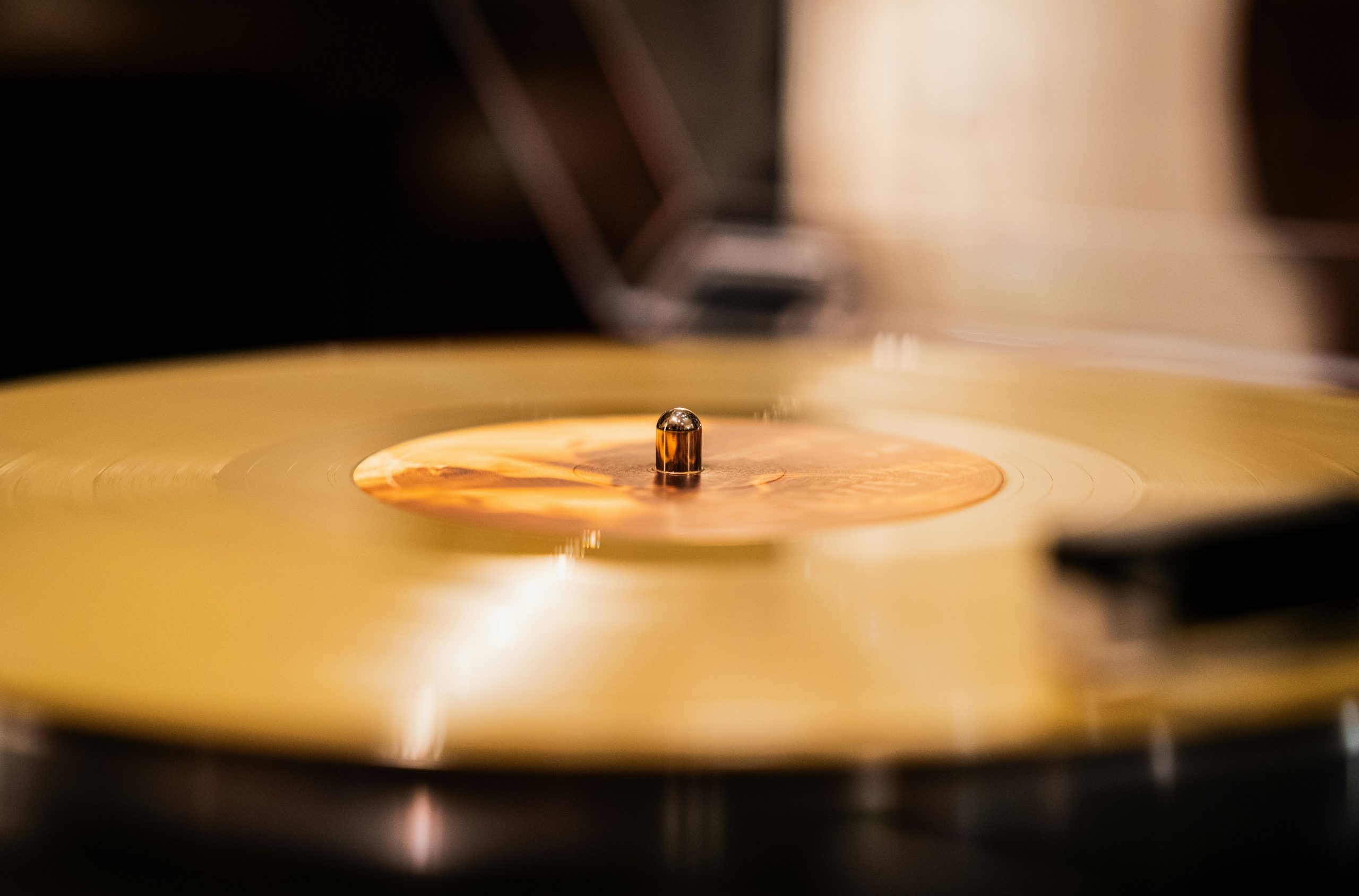
What is the Golden Record? Voyager 1 and Voyager 2 were launched in 1977 and are currently the most distant human-made objects from Earth and the first to enter interstellar space. On board each Voyager is a Golden Record containing music, voice greetings, photos, as well as images etched onto…
Leave a Comment
Your browser does not support the video tag. If the animation doesn’t appear to be working, follow this link Introduction Writing today is increasingly transmodal – a process where different media such as text, sound, and image interact to create new forms of meaning (Murphy, 1969, as cited in New…
2 Comments
For Task 4, I selected the Potato Printing assignment, blending my love of crafts with coursework. I chose the word “IDEAS” as it reflects both what one could carry in a tote bag and what a sketchbook represents. Preparation Using supplies on hand, I gathered yellow and sweet potatoes, vintage…
Leave a Comment