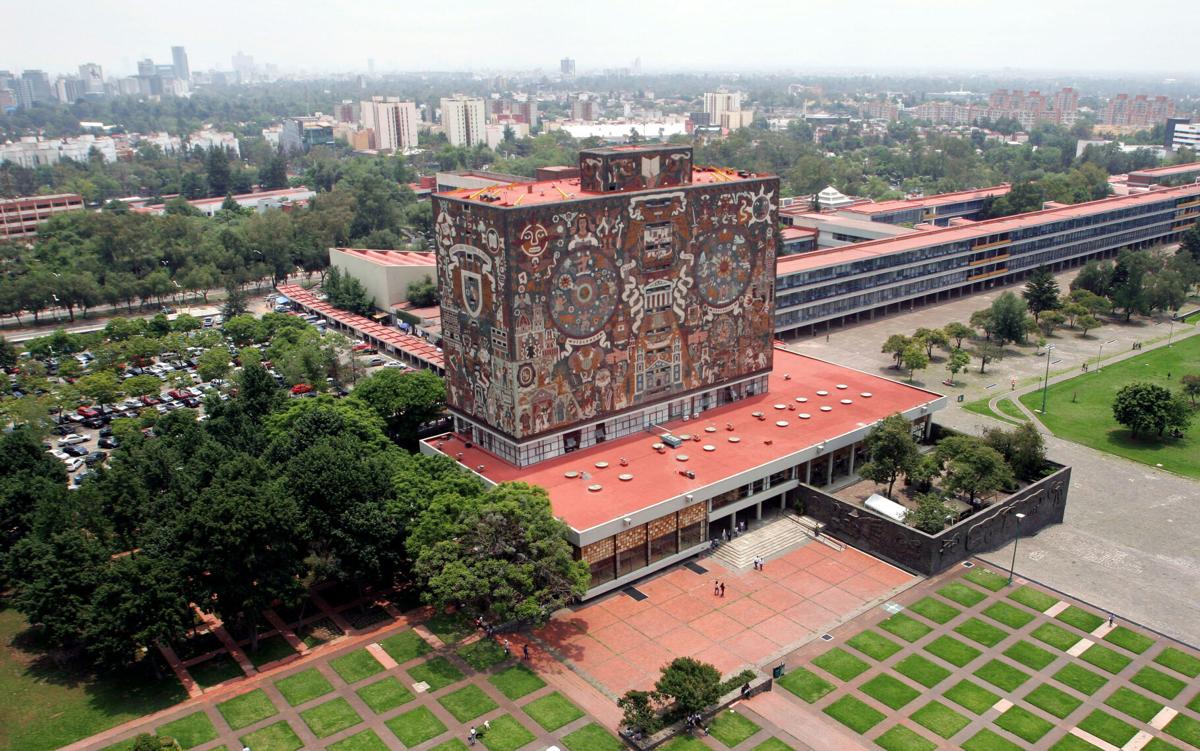
I just finished reading Amulet by Roberto Bolaño. It must say, it was quite the experience. I was expecting the story to unfold in a very different manner than it did. I thought that it would be a more typical survival story that focused on how Auxilio Lacouture managed to survive during that time and descriptions of how the invasion by the army unfolded. Auxilio did describe some of her survival techniques, such as the detail about how she ate toilet paper, however, the details pertaining to her methods of survival were more or less the same as what was revealed in chapter four of the second part of The Savage Detectives. Putting expectations aside, I was captivated by Amulet and very much enjoyed reading it. About halfway through, I realized that this will not turn into a typical “survival story” in which the narrative is focused on the experience of trying to survive a life-threatening situation. Instead, Amulet is a portrait of the life of a woman, filled with stories that are intricately woven into the main story. The portrait is surreal. It’s oneiric. It warps time. Bolaño plays with the notion of temporality, as the narrative moved back and forth in time, revealing to us the past and future of Auxilio’s life. When Auxilio states, “[…] as if time were coming apart and flying off in different directions simultaneously […]” (p. 30) and “[…] images rose from the bottom of the lake, no one could stop them from emerging from that pitiful body of water, unlit by sun and moon, and time folded and unfolded itself like a dream” (p. 32), I thought to myself that these were apt descriptions of how time moves in this dream-like novel. Although sometimes I found it to be a bit hard to follow and (I tried my best to create a timeline in my head), I found this aspect of the book to be intriguing, as if I had stumbled upon a puzzle that needed to be put together. I didn’t have time to reread much of the book, but I plan on reading through several parts again, since I still haven’t put together every single piece of the story. There were times when I was asking myself, “Is she dreaming?” or “Is she hallucinating?”. At the beginning of the book, she mentions that she has a very active imagination, but I figure that she probably also started to hallucinate at certain points while she was stuck in the bathroom. Dream-like sequences, such as when she was trudging through the snow on the mountain, were inserted into the narrative and these parts caught me by surprise. I very much appreciated how Bolaño weaved in and out of stories. It was if there is a story inside of a story that is inside of another story; several layers of storytelling in an enigma. But the most impactful part of the book was the ending, when Auxilio describes how she hears the singing of the “children”, representing the students that were protesting at UNAM. It was chilling how she describes them marching towards their death as they sing, as well as how she perceives them as “ghosts”, demonstrating the tragic endings that many of them had.
It was an ending that was both haunting and beautiful.
Now I want to read it all over again.
Here is my question for the class: How did reading Amulet compare to the experience of reading chapter 4 of The Savage Detectives? Were you satisfied with how Bolaño expanded on Auxilio’s story, or did you have unmet expectations?