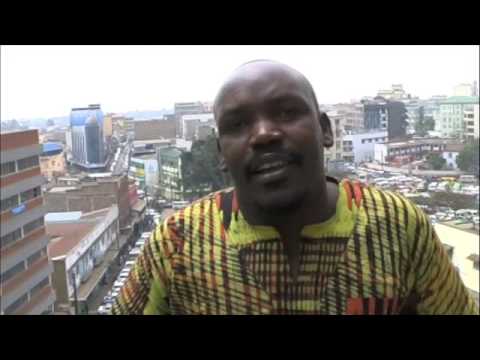

This video asks the question why the job of the US Treasury Secretary is important for the world. It goes on to talk about the importance of expanding debt concessions. This is especially important given the large role that the US and the international financial institutions such as the World Bank and IMF play.
The video highlights the important power that the US treasury has, in that it has the ability to veto a vote and make reforms in institutions, which form policies
The video argues that the governance and management of these international institutions should address policy concerns that are harmful to economic development as well as expanding debt consolidation to many African countries that are heavily indebt and impacted. Furthermore, debt is often used by corrupt leaders to finance operations that oppress the poor.
The video argues that these international institutions need to address development needs. The video says that debts need to be repaid, however the model of paying debts should be closely related to what the US is going through in regards to the credit crunch.
This video is important as it highlights the importance of “North-South relations for understanding development” as development geography is “…mapped onto the global South to the exclusion of Northern societies” (Lawson, 2007, 3). The need to rethink development and debt relief in particular is reinforced by Bono’s view in regards to debt relief. Bono argues that Debt should be cancelled to give the African countries a fresh start. However, the bureaucracy and Red Tape that goes on in Congress inhibits the debt relief. These videos also highlight the concept of Big D and little d development. Little d development is considered the first step as little d development refers to “unscripted shifts in economies and societies of landscapes of investment, production, consumption patterns, global flows of debt payment, the emergence of political alliances among workers, feminist, environmentalists, indigenous people, transnational migrations and the like” (Lawson, 2007, 6). Cancelling the debt in these African countries, little d development, would allow big D development (development policies such as building infrastructure) to occur.
The video also highlights the “continued dominance of western ways of knowing” (Can the Subaltern Speak 110). Rather than questioning the role of the US, and other Western countries, by allowing the subaltern, such as ordinary Africans express themselves, these videos highlight the continued focus that the Western nations such as US and the international financial institutions that they control, such as the World Bank and IMF have on many countries in global south such as Kenya, Africa. There is a common acknowledgement for the need of the US to adjust their policies to allow Africa to thrive rather than focusing on how development is “situated knowledge” (Can the Subaltern Speak, 116). These videos highlight that although the subaltern, is speaking, there is an insistence for him to remain in the centre, and interpreted through the Western power grid rather than focus on alternative models in regards to development that does not involve the continued dominance of the West such as the