Categories
Biological Sciences General Public Engagement

What Are You Doing Right Now? Get To Sleep!

Everyone has adjusted their watches, clocks, phones and laptops an hour earlier on November 6th. It may be that we all got “25” hours on the day, but let’s face it and allow me to ask, what have we done with the extra hour? With all the assignments and projects from different courses, social events with friends, schedules working times, most of us probably were not in our bed, sleeping.
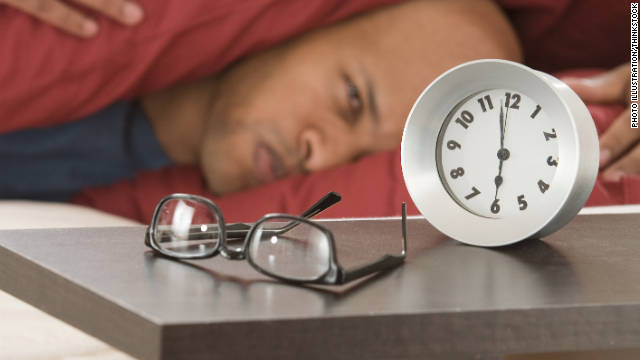
Sleep-deprived individuals are usually associated with 10 out of 11 health risk behaviours, including smoking, drinking alcohol, lower physical activities, sexually active, feeling sad or helpless, suicidal thoughts, etc. Dr. Lisa Shives mentions “Chronic, partial sleep deprivation affects our ability to think straight, make good decisions, and impacts our behavior”, and that is the reason why we were always told to get a good night’s sleep before a test or exam.
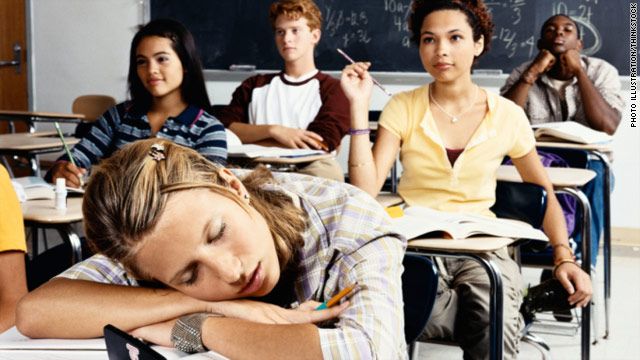
In fact, researches had proved that lack of sufficient sleep means we are prone to increase our risk of high blood pressure, explained Dr. Susan Redline, Professor of Sleep Medicine at Brigham and Women’s Hospital and Beth Israel Deaconess Medical Center at Harvard Medical School in Boston. When we have inadequate amount of sleep, especially with the lack of deep sleep, we tend to be tired during the day and wake up frequently during our sleep. Not getting enough sleep, i.e. at least six to eight hours of sleep every day, could also reduce our efforts in losing weight, even if we are on a diet and exercising regularly and properly.

Now, we might just assume that if we sleep-in on a weekend, we would make everything up during the week. However, Banks et. al. (2010) proves to be not enough to recover the effects of sleep loss. Just because we sleep 12 hours on a Saturday, it does not make up for the sleep debt accumulated during the weekdays.
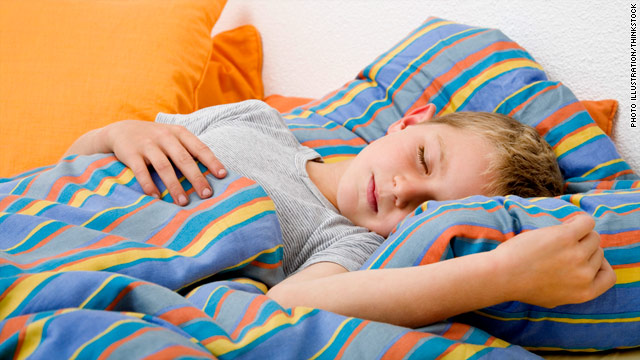
So the next time you plan to stay up for whatever reason, have a second thought about it, because what is lost is lost, and there is no way to recover that.

For those of your who wish to improve your quality of sleep, please refer to this blog post by Dr. Lisa Shives. (http://nssleep.com/blog/sleep-disorders/insufficient-sleep-makes-losing-and-keeping-weight-off-more-difficult/)

References:

http://thechart.blogs.cnn.com/2011/09/27/sleep-deprived-teens-take-more-risks/
http://thechart.blogs.cnn.com/2011/08/29/study-lack-of-deep-sleep-raises-blood-pressure/
http://www.aasmnet.org/articles.aspx?id=2332
http://www.aasmnet.org/articles.aspx?id=1817
http://www.journalsleep.org/ViewAbstract.aspx?pid=27855
Categories
Biological Sciences Issues in Science New and innovative science

See Anything Different? Cloning, The Controversy.

Image: Getty

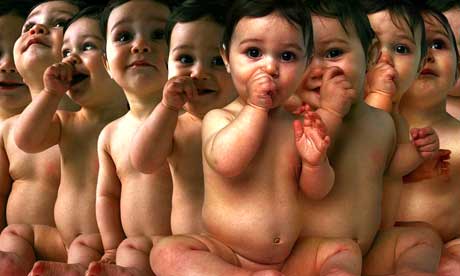
Imagine yourself walking on the street, surrounded by mirrors. You would be seeing myriad of yourself straying alongside and pass you. That may be how the world would be like if cloning is to be successful and legal.

Image: The Roslin Institute

The most renowned successful case of cloning is undoubtedly Dolly the sheep. Born in 1996, Dolly was a shock to the scientific world. However, it raises ethical concerns. Should we be cloning animals?

May it be to bring back the dead to live, to preserve the looks of a being, or for whatever other reasons, cloning is still considered unethical, illegal or both in most countries.

Image: Yorgos Nikas/Getty

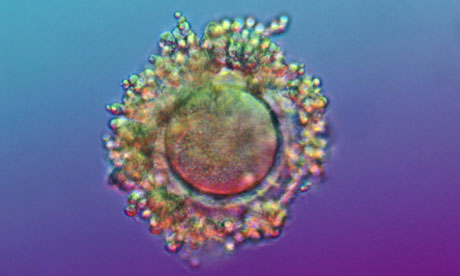
Dr. Panayiotis Zavos had been continuously attempting to clone the first human being, working in a surreptitious lab in the Middle East. Over the past 10 years, he had been implanted numerous embryos into anonymous surrogates, though none of the women had become pregnant or gave birth to any infants. As Sample mentioned in his article, “almost every attempt to clone a new animal species has been married with birth defects or worse.”

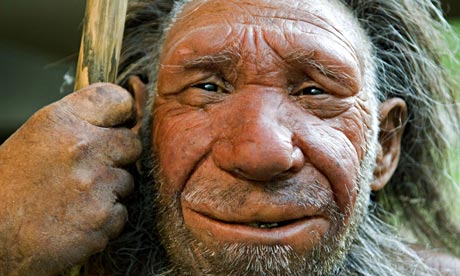
Cloning animals could give rise to many other problems too. Debates had been carried out on whether we should clone Neanderthals, or resurrecting mammoth from the ice age. Bringing these back to life may be chaotic and cause disorders in the nature’s ecosystem. The food chain could be stressed and scrambled, with new species being re-introduced. Organisms could become extinct, while many others would have to strive for survival.

Image: Action Press /Rex Features

If it does happen that we clone the extinct species from their DNA, we have to be responsible for any difficulties caused. It is difficult to map the whole DNA sequence of a species to clone it without any deficiencies especially if no live specimen is present for comparison.

Despite the arguments over cloning an individual, extensive effort had been put into the researches of therapeutic cloning. Therapeutic cloning, also called “embryo cloning” is the use of embryos and stem cells to generate specialized cell in the human body. This technique is still under research for improvements in human development and disease treatment.

When the technology is mastered, whole healthy organs can be produced from a single cell to replace the damaged ones, and treat diseases and disorders that normally require transplants or other complicated procedures.

Nonetheless, cloning still remains as one of the biggest controversies in the society and will carry on regardless of whether the technology of cloning is improving or not.

Categories
General Public Engagement

Supermarket Psychology: Are you a Shopaholic?

Oniomania, or more commonly known as “shopaholism”, is defined as “an abnormal impulse for buying things”.

Often time consumers do not realize that they have swiped their credit card to purchase items that were unnecessary, only until the day the bill comes in do they realize their monthly budget had been overspent.

Not only do the discounts and sales the stores put up intrigue customers, there is a science behind that magnets them for purchases. These experts put this science fully into use to juggle with their customers’ mind into purchasing more of their products. This science is called, marketing psychology.

One of the major contributors to attract customers is the general layout of the store. As a customer enters the market, he/she is most likely to encounter the fresh food section. A portion full of fresh fruits and vegetables makes the entire area a more relaxing and clean environment, which would in return create a sense of emotional involvement in the shopping experience. The vivid colors of the fresh food appeals to most consumers and induces them into a “shopping mode”, where they would unconsciously spend more than then would have if the fresh food section was located elsewhere. To enhance the effects of vegetables and fruits, most markets would spray water on these fresh foods consistently, to build an illusion such that the products are only recently delivered from the nearest farms. Imagine if the first sight upon entry to the market is a shelf of canned, pre-prepared, frozen, or boxed food, the desire of shopping in such a market would be greatly reduced, as it would not provide a sense of freshness as vegetables and fruits would.

watch?feature=player_embedded&v=yzRDEKyqIJs

The location of products proved to be pivotal in drawing the customers’ shopping desire. Most consumers do not walk up and down the aisles to shop as it would be too time consuming. The major products (i.e. vegetables, fruits, meat, dairy products, etc.) are located around the market since these major products provide the largest profit margin to the market owners (Harrison, 2008). For other products, in order to gain maximum exposure to the customers, they are placed at the ends of the aisles, where people would pay attention to while shopping for the major products. As for the center of the aisles, the varieties of products are decreased as they are less frequently visited by the consumers. However, in order to intrigue customers to the center of the aisles, products at the end of the aisles are more familiar brands, or products on sale, which serves as a directional road sign to the shoppers.

watch?v=RmEI3_NhZj4&feature=player_embedded

Now knowing what is tricking us into purchasing large amount of unnecessary goods, hopefully we, as customers, could be able to control ourselves. Next time we see our monthly bills, maybe it would not be as high as it used to be.


Further Reading:

Harrison, P. 2008. Supermarket Psychology. Supermarket psychology | tribalinsight [online]. Available from http://tribalinsight.wordpress.com/2008/08/19/supermarket-psychology/

Mandhachitara, R., Shannon, R. 2008. Casual path modeling of grocery shopping in hypermarkets. Journal of Product & Brand Management. 17 (5): 327-340.

Spam prevention powered by Akismet