Categories
Biological Sciences Final Project Interview Project Issues in Science New and innovative science

Unraveling the Web of Alzheimer’s Disease

In January 2010, Dr. Cheryl Wellington and her team of researchers at the University of British Columbia made great strides by determining a potential treatment to relieve the loss of brain function caused by Alzheimer’s disease.

Alzheimer’s disease (AD) is the most common form of dementia. It is an incurable disease that progressively deteriorates mental function and causes memory loss as well as an inability to effectively communicate, reason and use one’s problem solving skills. Currently, over 26.6 million people suffer from it worldwide.

From a scientific point of view, Alzheimer’s is caused by an accumulation of misfolded proteins in the brain. When these misfolded proteins group together, they produce plaques. As a result, these plaques can cause swelling and damage to the brain, which leads to the symptoms seen in Alzheimer’s patients. In the most severe cases, not only does AD inhibit mental function, but it also interferes with how the body regulates its basic functions (e.g. respiration and heart rate), and this can cause death.
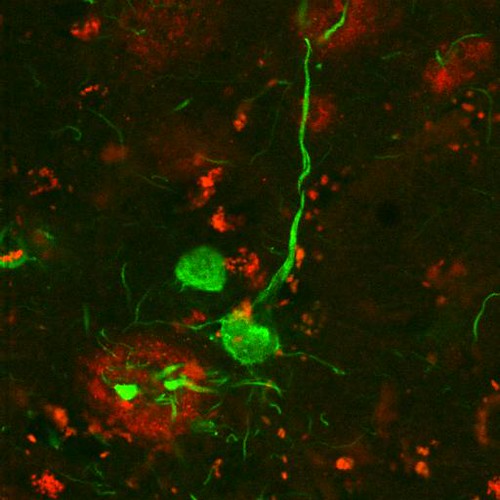
 

AD-2 by Flickr user Zerd: The image above illustrates plaques (red) and tangles (green) in a brain affected by Alzheimer’s disease.


In the podcast below, Dr. Cheryl Wellington gives more insight into Alzheimer’s and how it progressively disables mental function in a patient. She also outlines the steps that people can take in their mid-life to help prevent the onset of the disease.

Audio clip: Adobe Flash Player (version 9 or above) is required to play this audio clip. Download the latest version here. You also need to have JavaScript enabled in your browser.


As mentioned in the podcast, there are currently no drugs on the market that can stop the disease in its entirety. However, this is where Dr. Wellington’s research fills a knowledge gap and sets the foundation to find a potential drug that can be marketed to all AD patients.

 Wide Brain by Flickr user Enrique T: An image illustrating the plaque deposits present in an AD mouse.


In this video, we introduce Cheryl’s research, explain the drug that she works on and illustrate how she uses mice models to determine the drug’s effect on Alzheimer’s disease.

[youtube=https://www.youtube.com/watch?v= q2IZW1fvz2M&w=640&h=385]


One of the major difficulties that Alzheimer’s presents is its target population: a majority of people diagnosed with AD are over 65 years old. For this reason, the sufferers heavily rely on caregivers and close relatives for assistance. Consequently, the disease can create extreme stress and hardships within a family and financial burdens on our healthcare system. To this end, even though Cheryl’s research is promising, it is important to remember that Alzheimer’s isn’t part of normal aging: steps can be taken to prevent this disease altogether. By maintain a healthy lifestyle and exercising on a regular basis (especially in your 40’s and 50’s), you can diminish the likelihood of Alzheimer’s taking root in the brain and starting the plaque-building process. But don’t wait until your 40’s to start exercising!  Develop these habits at an early age – you’ll thank yourself later!


Further reading:

http://www.cfri.ca/our_research/researchers/search_researchers/researcher_detail.asp?ID=146

Dr. Wellington’s original research paper:

http://www.jbc.org/content/285/44/34144.short


Categories
Biological Sciences Final Project Interview Project Issues in Science

DNA, Prepare To Be Eaten!

DNA Uptake
Can you imagine working on something that is neither a plant nor an animal? Dr. Rosemary Redfield makes it her mission to study bacteria. Too small to see with the naked eyes, bacteria are unicellular microorganisms that do not have organelles or a nucleus. Some bacteria can be harmful to humans, whereas others can be beneficial. For example, some bacteria cause infections such as a strep throat whilst others aid in our digestion.


Many scientists commonly believe that it must be beneficial for bacteria to incorporate  DNA sequences into its own genome. They believe that this process of acquiring the DNA from the environment exists to make new random combinations of genes. These new combinations would replace the genes currently residing within the cell. However, Dr. Redfield did not simply accept this theory to be true; she began to question exactly what the purpose behind this process is. To her, the idea that the bacteria would take up genes lying around in the environment is not probable. One possible explanation is that the foreign DNA is left behind by dead cells; thus, they are unlikely to be useful. Dr. Redfield proposes that regardless of whether the DNA uptake will be beneficial to the bacteria or not, the accumulation of the DNA sequences in the cell would still occur.

The Redfield Lab

Dr. Redfield hypothesized that the bacteria were either making new combinations of the genes by accident or it could have been a side effect from another important process. Nevertheless, Dr. Redfield believes that the bacteria uptake DNA for food, which is a radical idea for many scientists.

Audio clip: Adobe Flash Player (version 9 or above) is required to play this audio clip. Download the latest version here. You also need to have JavaScript enabled in your browser.


Haemophilus influenzae bacteria By SCIENCE PHOTO


To test her theory, Dr. Redfield needed to choose a type of bacteria that were “picky eaters.” Most bacteria do not have a preference for the DNA sequences that they uptake. However, she found two unusual types of bacteria that turned out to be picky eaters: Haemophilus influenzae and Neisseria gonorrheae. They both have a preference for the specific sequences of the DNA that they will accumulate; and these chosen sequences are similar to their own.


https://www.youtube.com/watch?v=LoQ16P0K4b0&feature=g-upl

How is Dr. Redfield’s research relevant to you?
Her research probably will not impact you drastically in your daily lives, but that does not mean that it will never affect you in the future. Scientists are now interested in how and when bacteria are able or unable to reproduce. Once they discover the types of DNA the bacteria eat and how they acquire their food, scientists will be able to control their growth.

Further research on this field will prove to be very essential for medical purposes.The knowledge of how bacteria work is crucial to humanity. Bacteria are all around us and they deserve our time for they can be beneficial, and yet harmful to our society.

Photo with Dr. Rosemary Redfield Taken By: Hanna Oh at The Life Science Building


Credits for Podcast:
Script written by: Hanna Oh, Cha Tumtaweetikul, Jacyln Wiebe, Steven Xian
Interviewee: Dr. Rosemary Redfield
Narrated by: Hanna Oh, Cha Tumtaweetikul, Jacyln Wiebe, Steven Xian
Soundtrack credits to: suonho, Puniho, FreqMan, mansardian, BristolStories, digifishmusic, milton. and Setuniman.
Editted by: Steven Xian
Equipment and advices: Bruce Dunham, Eric Jandciu, Jackie Stewart, Andrew Trites from SCIE300.


Resources:
We would like to thank Dr. Rosemary Redfield for her interview and her Uptake Video animation and also the SCIE300 professors and teaching assistants: Bruce Dunham, Eric Jandciu, Jackie Stewart, and Andrew Trites for their advice.


For References and More Information, Check out Dr. Redfield’s Lab:
http://www.zoology.ubc.ca/~redfield/index.html
Categories
Biological Sciences New and innovative science

Will this New Drug End the Obesity Epidemic?

Orlistat. Sibutramine. Rimonabant. Metformin. Exenatide. Pramlintide. These are the six main anti-obesity drugs that are prescribed to patients suffering from morbid obesity. The reason these names are not better known is because of the side of effects that each of these drugs possess. Only in a last ditch effort, are these drugs prescribed, where the benefits outweigh the potential side effects.

Red Pill or Blue Pill?

For example, the use of Sibutramine, a now withdrawn drug, resulted in higher blood pressure, higher incidence of strokes and heart attacks, and even seizures.  What is worrying is that it was recently withdrawn in 2010.  This speaks volumes on the now-prescribed weight-loss drugs, all of which possess side-effects of their own, but only serve to suppress appetite or increase metabolism.


Adipotide, the potential cure

Fortunately, another drug is now posed to join the fray.  Adipotide, an experimental drug, has recently been tested on obese rhesus monkeys by a team of scientists at the University of Texas Anderson Cancer Centre.  This new drug acts on white adipose tissue, the unhealthy type of fat that is found under the skin and engulfing the abdomen, and is also a predictor of mortality.


Adipotide destroys the blood supply of the white adipose tissue.  With the use of a homing agent, the drug binds to a protein on the white adipose tissue, and uses a synthetic peptide to trigger cell death.  The fat cells, having lost their blood supply, are then reabsorbed and metabolized.  This is completely different from the six above-mentioned drugs, which indirectly control obesity by suppressing appetite, while Adipotide attacks the problem directly by cell death.

Fat Monkey
Overweight Primate


The obese monkeys that were administered Adipotide lost on average 11 percent of their body weight, lowering their body mass index (BMI) and abdominal circumference (waistline) as well.  The rhesus monkeys that were in shape did not lose any weight, demonstrating that the drug only has an effect on obese subjects.  Only one side effect was noted for the kidneys, which was said to be dose-dependent, predictable, and reversible.  Furthermore, the monkeys did not experience any nausea or food avoidance. A prior study testing Adipotide on obese mice resulted in 30 percent weight loss.

Fat Rat
Fat Rat


Anti-obesity drugs that are developed to work on rodents tend to fail when administered to primates, due to the vast differences in metabolism and control of appetite.  With Adipotide’s stellar results, the team of scientists are preparing for a 28 day clinical trial on obese prostate cancer patients, seeking to improve their condition through weight loss and reduction of the associated health risks that come with obesity.

Obesity rates
America: From Seam to Splitting Seam

Obesity is a serious condition, especially in the United States, with approximately 75 percent of Americans overweight or obese.  It increases the possibility of breast, ovarian, prostate, and colon cancer, and diabetes.  Furthermore, it has been cited as a contributing factor for up to 400,000 deaths in the United States per year.  One problem lies in the terminology used in the explanation of Adipotide’s method of weight control: Cell death.  While it may sound worrisome to the uneducated, the fact that cell death occurs at a rate of 50 to 70 billion cells per day in the average human adult should settle the uneasiness that comes with the word “death”.  With the advent of Adipotide, can the obesity epidemic be ended?

References

http://www.sciencedaily.com/releases/2011/11/111109143009.htm:

http://www.forbes.com/2007/02/07/worlds-fattest-countries-forbeslife-cx_ls_0208worldfat_2.html

https://www.youtube.com/watch?v=ybbVHTnmI4A&feature=related

Karam, Jose A. (2009). Apoptosis in Carcinogenesis and Chemotherapy. Netherlands: Springer. ISBN 978-1-4020-9597-9.

Media:

http://upload.wikimedia.org/wikipedia/commons/8/82/USObesityRate1960-2004.svg

http://www.geninv.net/wp-content/uploads/lipozene-weight-loss-pill-truth-lipozene-medicine.jpg

http://3.bp.blogspot.com/_j4SmoTqBAQA/SEkTtrKdPJI/AAAAAAAAAPo/kkOQFyJEn-0/s400/ohama_fat_monkey1.jpg

http://autotechie.com/blog/wp-content/uploads/2008/11/fatmouse.jpg

Categories
Biological Sciences General Issues in Science Science in the News

After the Fukushima Nuclear Disaster- The Effect of Radiation on Human Health


  There was Fukushima Daiichi nuclear disaster on March 15th 2011 which released radioactive materials due to equipment failures and nuclear meltdown. Concern remains over the potential effect on human health from radiation leaks at the stricken Fukushima Daiichi nuclear plant.


What is radiation? 

Thinkstock: radiation sign

  Radiation is a process in which energetic particles or waves travel through a medium or space. The energy comes from a source and travels through space and may penetrate various materials. Iodine and cesium are examples of radioactive elements. There are two types: ionizing, and non-ionizing. Both types can be harmful to organisms while ionizing radiation is more harmful as it can cause DNA damage.

   We are all naturally exposed to background radiation from radon (Rn), colourless, odorless chemical gas found in soil, water and air.  We are also exposed to unnatural sources such as X-rays which deliver about 10days’ worth of naturally occurring radiation.


  Symptoms

 Symptoms of radiation sickness occur when the body is damaged by a very large dose of radiation over a short period of time. The more radiation a person absorbs, the sicker one will get. The best way to prevent harm is to prevent exposure. The strength of the radiation itself and distance from it are key factors in the severity of radiation sickness. 

 Nausea and vomiting often begin within hours of exposure, followed by diarrhea, headaches and fever. Since radiation destroys infection-fighting white blood cells, the greatest short-term risk after exposure is infection and the spread of infectious diseases.


 Human impacts 

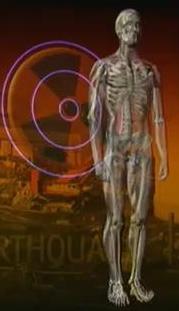
abcnews: radiation and the body

 Ionizing radiation damages the body’s internal chemistry. Our bodies are able to repair effects of radiation on tissues, but too much radiation can cause DNA damage that the body can’t repair, leading to cancer. 

Vulnerable areas include:

  • -Thyroid gland
  • -Bone marrow
  • -Cells lining the intestine and stomach

  Babies and young children are more sensitive to radiation exposure because their cells typically divide faster than adults; increasing their risk of developing a radiation-related cancer later in life.


 Treatment

  Drugs can stimulate the growth of white blood cells and help people fight off infections. Exposed individuals can also be given capsules containing a dye that binds to thallium and cesium and helps the body get rid of these radioactive elements.

 Potassium iodide tablets are often given out to people at risk of contamination. The compound prevents or reduces absorption of radioactive iodine, through the thyroid gland, which uses iodine to produce thyroid hormones. But potassium iodide cannot prevent radioactive iodine from entering elsewhere in the body and does not affect the absorption of other radioactive elements, such as cesium, which stays in organs, tissue and the environment much longer than iodine.

  We must watch out our nuclear plant cells since one disaster may cause series of problems. There are many nuclear plants that can potentially become  problems and we should find ways to minimize or avoid further disasters.

Categories
Biological Sciences Issues in Science Science Communication Science in the News

Are YOU a snake-lover or an ophidiophobia (snake-phobia)?

A picture of Burmese Python. Source: CBC News

Are snakes one of your favourite animals or are they your least? Although some may adore them, I am among the people who are terribly afraid of them, or what people call an ophidiophobia. Who would have known that, “pythons’ big heart [could] hold clues for human health[?]” (The Associated Press). Scientists now learned that when the pythons undergo digestion, their hearts expand to the size similar to that of an Olympic athlete. How is this relevant to human? Scientists now look for clues from the pythons’ powerful heart muscles that could potentially benefit human’s hearts. A molecular biologist at the University of Colorado in Boulder, Leslie Leinwand, found that the pythons’ hearts expand because they are building up more muscles.

There have also been studies done on the pythons’ digestion pattern. For instance, reptile biologists observed that Burmese pythons could survive for almost a year without food. Furthermore, once they resume the meals, their metabolism would increase up to more than 40-fold. After digestion, their organs, except the brain, would grow larger in size. Leinward notices this distinct observation and tries to make a connection to human heart diseases. For people with chronic high blood pressure, their hearts are not able to circulate the blood as well as normal hearts. However, vigorous exercise might be able to enhance the recovery and strengthen heart muscles just like those of the pythons.

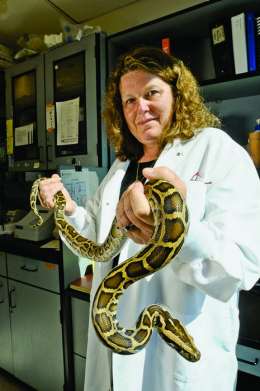
Dr. Leinwand working with the Python. Credit: Thomas Cooper

How is the research being conducted? Dr. Leinwand and her team worked with baby pythons to study their internal organs in details. Dr. Leinwand came to a conclusion that for these pythons, the fatty acids increase up to as much as 50 times during digestion. Theirs cells grow bigger, thus resulting in a larger heart size. Python’s blood is also full of fat, mainly three specific fatty acids in a particular combination, that enables this capability. Do these fatty acids have negative impacts on their hearts’ conditions? No, instead, they act as the heart protection. The pythons can rapidly burn the fat, turning it into fuel for energy. In contrast, humans’ metabolisms are not that efficient so the cells would accumulate fat and the accumulation might contribute to various heart diseases. As for the pythons, they already have enzymes to protect their hearts from damages during digestion.

A video on Dr. Leinwand’s interview in her laboratory.

One of the main researchers, Cecilia Riquelme, studied the applications of this knowledge. First, she bathed a rat’s heart cells with the plasma, blood cell, from the snake. The result turned out that the content of the python’s blood made the heart cells grew bigger and stronger. Researchers now continue to study that if putting fatty acid from the pythons’ blood into the rats would lead to any beneficial growths.

This is relevant to us because if these rats could benefit from the fatty acids and have their heart muscles strengthen, it implies that the pythons could be the key in helping human with heart diseases. Pythons may after all become our heroes!

Further Resources:

http://www.newscientist.com/article/dn21099-a-shot-of-snake-blood-makes-the-heart-grow.html

References:

http://www.cbc.ca/news/technology/story/2011/10/28/python-heart.html

http://cen.acs.org/articles/89/i44/Fatty-Acids-Heart.html

http://www.voanews.com/english/news/health/132940113.html

Categories
Biological Sciences General Public Engagement

What Are You Doing Right Now? Get To Sleep!

Everyone has adjusted their watches, clocks, phones and laptops an hour earlier on November 6th. It may be that we all got “25” hours on the day, but let’s face it and allow me to ask, what have we done with the extra hour? With all the assignments and projects from different courses, social events with friends, schedules working times, most of us probably were not in our bed, sleeping.



Sleep-deprived individuals are usually associated with 10 out of 11 health risk behaviours, including smoking, drinking alcohol, lower physical activities, sexually active, feeling sad or helpless, suicidal thoughts, etc. Dr. Lisa Shives mentions “Chronic, partial sleep deprivation affects our ability to think straight, make good decisions, and impacts our behavior”, and that is the reason why we were always told to get a good night’s sleep before a test or exam.

In fact, researches had proved that lack of sufficient sleep means we are prone to increase our risk of high blood pressure, explained Dr. Susan Redline, Professor of Sleep Medicine at Brigham and Women’s Hospital and Beth Israel Deaconess Medical Center at Harvard Medical School in Boston. When we have inadequate amount of sleep, especially with the lack of deep sleep, we tend to be tired during the day and wake up frequently during our sleep. Not getting enough sleep, i.e. at least six to eight hours of sleep every day, could also reduce our efforts in losing weight, even if we are on a diet and exercising regularly and properly.

Now, we might just assume that if we sleep-in on a weekend, we would make everything up during the week. However, Banks et. al. (2010) proves to be not enough to recover the effects of sleep loss. Just because we sleep 12 hours on a Saturday, it does not make up for the sleep debt accumulated during the weekdays.

So the next time you plan to stay up for whatever reason, have a second thought about it, because what is lost is lost, and there is no way to recover that.

For those of your who wish to improve your quality of sleep, please refer to this blog post by Dr. Lisa Shives. (http://nssleep.com/blog/sleep-disorders/insufficient-sleep-makes-losing-and-keeping-weight-off-more-difficult/)

References:

http://thechart.blogs.cnn.com/2011/09/27/sleep-deprived-teens-take-more-risks/
http://thechart.blogs.cnn.com/2011/08/29/study-lack-of-deep-sleep-raises-blood-pressure/
http://www.aasmnet.org/articles.aspx?id=2332
http://www.aasmnet.org/articles.aspx?id=1817
http://www.journalsleep.org/ViewAbstract.aspx?pid=27855

Categories
Biological Sciences Science in the News Uncategorized

An aspirin a day keeps the cancer surgeon away?

Photo credit: Personal Health

Aspirin in our lives

After a long hard day, you come home and you are ready to relax. But beforehand, you want to alleviate you headache first. Naturally you pop up an aspirin. Aspirin is also known as acetylsalicylic acid and it is commonly used as a painkiller, anti-flammatory drug and antipyretic to reduce fever. However, many people underestimate the power of aspirin. The truth is that aspirin can play huge roles in improving our health, such as preventing heart attacks, strokes and bowel cancers.

Lynch Syndrome

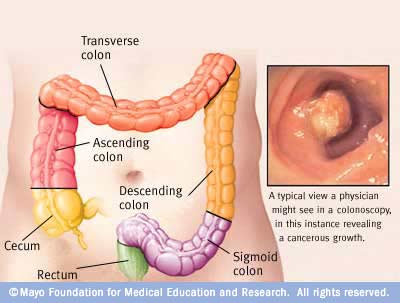
             In a recent study done by Newcastle University’s professor Dr. Sir John Burn, two pills a day for two years reduced the incidence of bowel cancer by 63% in a group of 861 at-risk patients. All the patients had Lynch syndrome, which is also known as HNPCC( Hereditary nonpolyposis colorectal cancer ). This syndrome is a genetic condition which has a high risk of bowel cancer as well as other cancers in stomach, ovary and small intestine. This increased risk for these cancers is because patients with this syndrome have genes that fail to detect and repair damaged DNA. Since cancer is made of cells that grow uncontrollably, if your body cannot fix damaged DNA, you are more likely to develop cancer in many parts of the body.

Photo credit: Personal Health

The research

                  What is marvelous about this new study done by Sir John Burn is that it provided an overwhelming evidence of a way that patients with Lynch Syndrome can reduce the development of bowel cancer. Over the two years, those who were given 600 milligrams of aspirin every day developed bowel cancer 63% less than the patients who simply took the regular medications for at least two years.

Therefore Sir John recommends that “people who’ve got a clear family history of, particularly, bowel cancer should seriously consider adding low dose of aspiring to their routine and particularly those people who’ve got a genetic predisposition.”


Photo credit: Journal Live

The ugly side effects

             Although aspirin may help to prevent developing bowel cancer, it has some potential deadly side effects. Some of them include gastrointestinal bleeding, angioedema (swelling of skin tissues), ulcers, and strokes caused by aspirin. Therefore, one of the questions that arise is that whether healthy people with no family risks should take aspirin to prevent cancer development. Sir John said that it was a “finely balanced argument” and that he decided the risks were worth it for him.

“I think where we’re headed for is people that are in their 50s and 60s would look very seriously at adding a low dose aspirin to their daily routine because it’s giving protection against cancer and heart attack” 

 In a way, aspirin is a double edged sword. It can be hugely beneficial for those who have lynch syndrome but it could also bring the unwanted side effects. Even though this may be a breakthrough in preventing cancer development, we must remember that it is us, the patients, who have the power to choose what is the best for ourselves. Therefore, we must educate ourselves and decide what is the most suitable option for our bodies.

More Resources:

The BBC News articles :

Daily aspirin ‘blocks bowel cancer’ by James Gallagher

http://www.bbc.co.uk/news/health-15475553


Aspirin : What are the risks and benefits?

http://www.bbc.co.uk/news/health-11936078


References

Burn,John, et.al.  Long-term effect of aspirin on cancer risk in carriers of hereditary colorectal cancer: an analysis from the CAPP2 randomised controlled trial. (2011 )The Lancet . DOI: 10.1016/S0140-6736(11)61049-0

http://www.thelancet.com/journals/lancet/article/PIIS0140-6736(11)61049-0/abstract

Categories
Biological Sciences Issues in Science Science in the News

Animal research: cruel or crucial?

© Understanding Animal Research / Wellcome Images

On October 28, 2011, Dr. John Hepburn, (Vice President, Research and International) sent an email to the UBC community on the subject of animal research.  He outlined the university’s plans to increase transparency on its animal research by releasing details on the number of animals and categories of species being used.

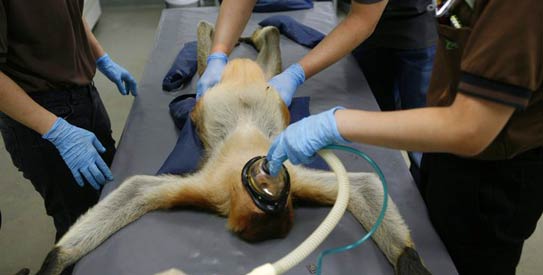
According to www.animalresearch.ubc.ca, 211,764 animals were used in research at UBC in 2010.  Of those, 56% were rodents, 35% were fish, and 6% were reptiles or amphibians.  Chimpanzees, gorillas and orangutans were not studied at all, and are not used for research in Canada primarily due to their classification as endangered species.  Instead of these primates, rhesus macaques are often used in research.   At UBC they are involved in studies investigating depression, Parkinson’s disease and other brain disorders.

It is worth noting that not all animals involved in research are used in a typical lab setting.  Animals involved in catch & release and observational studies are counted, as well as those in laboratory research. The majority (68%) of animal research at UBC involves less than minor or short-term stress to the animal.  Examples of this type of research include tagging of wild animals for conservation purposes.

Part of the reason that UBC has not released such details about its animal research until now is because of the potential negative backlash from animal rights activists.  Undoubtedly this is a problem that faces every member of the animal research community, and increasingly this is an issue that they are attempting to address.

This video from Understanding Animal Research outlines some of the key reasons why animal research is critical in modern society.

Highlighted in this video is what can happen when proper animal research and testing is not carried out on drugs prior to their release to the public. Thalidomide was sold starting in 1957 as an effective tranquilizer and painkiller, often prescribed to pregnant women to treat morning sickness.  However, thalidomide caused major birth defects in over 10,000 children, and was outlawed in most countries by 1962.  Much stricter testing is now required on drugs before they can be approved for sale as a result of the thalidomide disaster, often referred to as one of the worst medical tragedies of modern times.

In today’s society where humans are extremely close to their pets, animal research is often though of as harmful and unnecessary.  However, not only does animal research help humans, but other animals as well.  For example, a cure for feline leukemia, a type of cancer common to both humans and cats, has been found thanks to animal research.

While scientists make every effort not to use animal research by taking advantage of computer modeling, there is only so much an inanimate machine can replicate.   If the day ever comes when a computer can accurately represent an animal cardiovascular system, perhaps animal research can stop.  Until then we will have to make do with the next best thing, and remain diligent about our ethics.

Categories
Biological Sciences

How Contagion Really Ends: The Breakthrough Antibody

Have you ever heard of the Hendra virus?  What about the Nipah virus?   Living in the western hemisphere means you have most likely never heard of either of these viruses.  However, you probably heard of the movie “Contagion”, a movie that was released early September of this year.  The featured virus of the movie, MEV-1, was inspired by the Nipah virus, both being spread by fruit bats.   An antibody against the Hendra virus has been designed (source: http://www.sciencenews.org/view/generic/id/335331/title/Stopping_a_real-life_Contagion), and is in the process of mass production.  The Nipah virus invades cells through the same portals as the Hendra virus, and as such, the antibody has the potential to cure both viruses.


The Hendra virus is not known for killing people.  Rather, it is better known for infecting and killing horses, with only a dozen people having contracted the Hendra virus, and even fewer dying.  Conversely, the Nipah virus, its close cousin, is transmitted from infected pigs, and has infected hundreds of people in south East Asia, with a mortality rate of 40 to 70 percent.

http://www.who.int/csr/disease/nipah/Global_NiphaandHendraRisk_20090510.png

A team of Canadian and American scientists were testing antibodies for the Hendra virus, and found that a particular antibody, named m102, had the ability to block the Hendra virus from attaching to a cell.  The antibody was then modified and, like a drug, mass-produced.

In the Health’s Rocky Mountain Laboratories in Hamilton, Montana, the researchers tested the fruits of their work on 14 African green monkeys.  The Hendra virus was squirted into the monkey’s tracheas to infect them with the Hendra virus.

http://www.dawn.com/wp-content/uploads/2011/10/ailing-monkey-r543.jpg


The control group contained two of the infected monkeys, both left untreated.  Within eight days, both monkeys were lethally diseased.

The 12 monkeys of the experimental group were given two doses of the m102 antibody within 10, 24, or 72 hours of being infected.  All 12 monkeys survived.

The Hendra and Nipah virus use two cell-surface protein transporters to invade cells.  The modified m102 antibody binds to these membrane proteins, preventing entry of the Hendra and Nipah virus.

http://frontier.k-state.edu/Images/ResearchAndAnalysis/Updates/OverlapAgents/Henipavirus_lg.jpg

The m102 antibody has already proven successful on fending the Nipah virus in ferrets, with testing on Nipah-infected green monkeys currently underway

With the test on monkeys yielding positive results, the research team now plans to pass the regulations that bar them from human testing.  Prior to this, a woman and her daughter had taken the antibody as an emergency treatment to a possible infection to the Hendra virus.  While they did not become sick, it is yet unclear whether they were in fact, exposed to the Hendra virus.

The findings of this study are good news to those who live in South East Asia, the most exposed region of the world to the virus.  Since 1998, 10 tragic Nipah virus outbreaks have been recorded.  The most recent outbreak, in February 2011, resulted in the deaths of 21 infected schoolchildren.  Clearly, the Nipah disease is still deadly and prevalent.   With all the regulations that the antibody must pass, it may be a while till the antibody is available for public use.  While the regulations for human testing and human use serves to protect us from further debilitation or even worse problems, it may hamper the process of making the modified m102 antibody available.  In the face of the Nipah virus’ 40-70 percent fatality rate, do the regulations become inconveniences?

Sources:
http://en.wikipedia.org/wiki/Henipavirus
http://www.sciencenews.org/view/generic/id/335331/title/Stopping_a_real-life_Contagion


Categories
Biological Sciences Issues in Science Science in the News

Time to Wear Long-Sleeves: Flesh-Eating Disease on the Rise

Warning: Blog Post contains graphic images and video which may offend or disturb some viewers. Blogger does not take responsibility for any sudden onsets of nausea. Viewer discretion is advised.

What Is It?

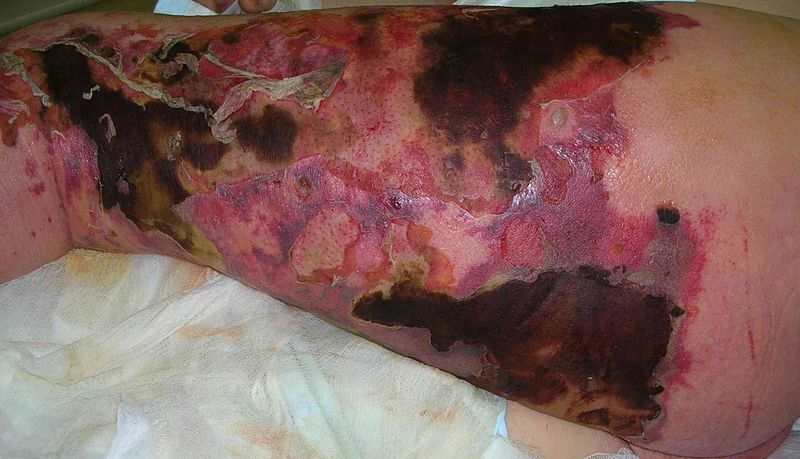
Flesh-eating disease, or Necrotizing fasciitis as it is formally known, is actually a bacterial infection caused by several types of bacteria but most commonly, Streptococcus pyogenes. Invading by a very small wound, the bacteria will produce chemical toxins which begin to destroy tissues and muscles. Within a day, symptoms will begin to appear but they are mild at first and often mistaken as the flu with fever, nausea, and vomiting common. Eventually, the wound area will begin to swell and pain will increase. In the picture below, you can see the presence of gangrene or dead tissue in a leg with the disease.

Image from Wikipedia.

Necrotizing fasciitities left leg. Image from Wikipedia.

Now, antibiotics will treat the disease in its early state but all too often, the disease is discovered too late in its progression. In that case, the only treatment is to remove the infected body parts. A few patients have gone to the hospital, only to wake up a few days later out of a medical coma to find themselves missing their limbs. About 20-30% of cases are fatal.

Check out this compelling video of a woman who was lucky enough to survive the disease but was not lucky enough to keep all her limbs.

“Flesh-eating disease took her arms and legs, but not her spirit.” Video posted by YouTube user druidhills2005.

Where Is It Today?

In New Zealand, cases of flesh-eating disease have actually been on the rise according to the Ministry of Health of New Zealand. In 1990, there were only about 10 cases of the disease but in 2006, there were more than 70 cases. New Zealand is a first world country just like Canada and the United States so this is some surprising news that should hit close to home.

Whoa! What Should I Do?

Don’t panic yet! The disease is still very rare and in Canada (with a population almost 8 times larger than New Zealand), only 90-200 cases are reported each year. However, it is still probably a pretty good idea to avoid it. To minimize your risk, Health Canada advises you to “take care of minor wounds and cuts” making sure to “wash the affected area in warm soapy water.” Additionally, if you do come in contact with someone you know that has been inflicted with the disease, see a doctor immediately. In general, take care of yourself. Those with a weakened immune system or with chronic diseases are particularly vulnerable.

References

Greenfield, R. & Shehnaz, S. (2008). Gangrene. emedicinehealth. Retrieved from http://www.emedicinehealth.com/gangrene/article_em.htm.

Health Canada. (2006). Flesh-eating Disease. Health Canada. Retrieved from http://www.hc-sc.gc.ca/hl-vs/iyh-vsv/diseases-maladies/flesh-chair-eng.php#mi.

Kirk, S. (2011). Fleash eating disease on the rise. stuff.co.nz. Retrieved from http://www.stuff.co.nz/manawatu-standard/5690711/Flesh-eating-disease-on-the-rise.

Ministry of Health, New Zealand. (2011). Retrieved from http://www.moh.govt.nz/moh.nsf.

Nationsonline. (2005). Countries of the First World. NationsOnline. Retrieved from http://www.nationsonline.org/oneworld/first_world.htm.

Stoppler, M. (2008). What Is a “Flesh-Eating” Bacterial Infection? MedicineNet.com.  Retrieved from http://www.medicinenet.com/script/main/art.asp?articlekey=61933.

Worldatlas. (2010). Countries of the World. Worldatlas.Retrieved from http://www.worldatlas.com/aatlas/populations/ctypopls.htm.


Spam prevention powered by Akismet