Categories
Uncategorized

The Impossible Problem

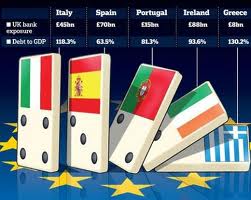
For my last blog post of the term, I have decided that I would look at the Eurozone crisis. There are endless amount of articles, literature, and media coverage on the subject the most recent on which I will be looking it is an article from the Globe and Mail this morning.

The aspect that I would like to discuss for this common topic of debate, is that it is a seemingly unmanagable problem. What I mean by that phrase is that for every suggested plan of action, there are parties that suffer. High debts, economic failure and civil uproar are just some on the causing factors in countries such as Egypt, Greece, and France to name a few. Not only are their debts substantially high, they are increasing exponentially as they are borrowing more money. In Italy and Spain, borrowing costs spiked again today, with Italian 10-year bonds well above 7 per cent.

Recent unsuccessful meetings between Strasbourg, German Chancellor Merkel, French President Sarkozy and Italian PM Monti sent the wrong message to markets and are causing growing concern around the issue and how it will be resolved.

The most concerning of all is that Germany is now becoming a forefront part of the crisis, increased exposure stemming from a failed bond auction. The concern worldwide is that this type of collapse is starting to affect core economies.

As I previously mentioned, some problems in the world and on a daily basis are somewhat unmanageable in the sense of making everybody happy. This situation in particular is one where it is impossible that everyone is kept happy and/or wealthy. So something must change and soon, but the question is: who will lose out?
Categories
Uncategorized

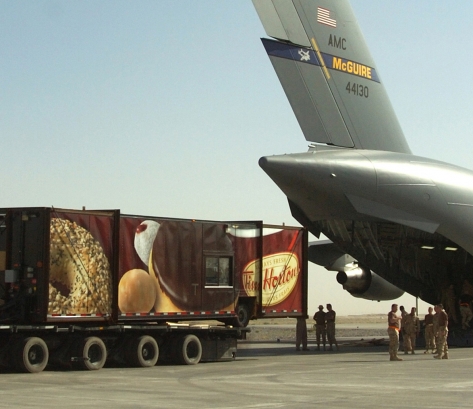
Afghanistan Tim Hortons Scheduled to Close


CBC Business News covered the story of the Kandahar location of Tim Hortons serving military troops in Afghansitan. Now that Canadian troops are withdrawing from th area, Tim Hortons believes that it’s time has been served and the location is scheduled to close. This has been a very successful endeavor for the corporation, with all profits going to support the troops.

I think this wash a smart move for Tim Hortons as it boosted their brand image surrounding company morals and ethics. This is a move to support troops that it would be unlikely to see from Starbucks or The Coffee Bean in the United States. As a consumer, I appreciate what they are doing and this makes me more likely to buy their product. Although I may not be supporting the Troops with my own money, by buying a coffee from Tim Hortons and knowing what they are doing, it makes me feel good about myself.

I believe that it was a morally responsible and smart marketing strategy for Tim Hortons to run the Afghanistan location.

Categories
Uncategorized

Japan: How is it different?

With the recent collapses of major European economies and trouble brewing in the US, it is interesting to examine other countries and their points of difference. Here I will be looking at Japan. With reference to a BNN blog post, I will be outlining the structure of the Japan economy and how it differs from those in trouble.

The common theme within it’s structure is that it stands alone. Only 20% of the countries GDP comes from exportation of products and materials. This is a small percentage compared to that of China, the United States or Canada. When looking at department stores or malls in Japan it is noticed that an astonishing amount of their products are produced within the country. This brings me to my second point; they are more or less, self sufficient.

This point carries on when examining their debt. Although the country (like many others), has high debt, it is owned by the Japanese themselves instead of carrying debt that is borrowed from other country’s economies. The pressure from these external forces can be a factor causing of some of the collapses.

This idea of an internalist structure leads us back to the main idea that Japan is internally self sufficient and stands alone from the interconnected features of many other nation’s economies.


Categories
Uncategorized

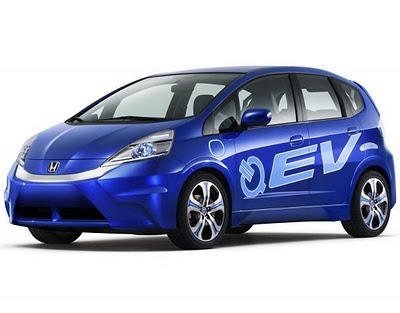
The Fit EV – just like every other electric car?


At the Los Angeles Auto Show, Honda revealed its newest addition to its line of fuel alternative vehicles: the 2013 Fit EV. The first question that came to mind was “is this just another short-ranged, battery failing, attempt at an electric vehicle?”  The answer? Well… we don’t know. It boasts a 123 mile per charge range for its one and only battery. Although the article does not define this in highway versus city driving, we know from previous releases that range isn’t always what it is cracked up to be. Also, having only one battery, how does the cost of replacing this one compare to other vehicles in the same class?

Honda is trying to conform to a new age of demand for highly efficient and sustainable forms of transportation. This new release may be a step up from previous vehicles but it still boasts the question: are battery powered vehicles truly better for our environment?Something that has come to my attention is the process of making the batteries and how it is in fact detrimental very to the environment. Copper mining in Canada, the product of this then shipped to Europe for refinement, eventually reaching Japan to be manufactured into the vehicles. How does this type of transportation for one battery compare to say… a lifetime of emissions from a Range Rover? This is something that needs to be examined when looking at the future of personal transportation. Honda did however, discuss their innovative strategies for creating natural gas and fuel cell models to develop further into this market.

The main point is when Cameron Diaz replaces her Toyota Prius with the new Honda Fit EV, boasting her environmental consciousness, is she really making a difference?

Categories
Uncategorized

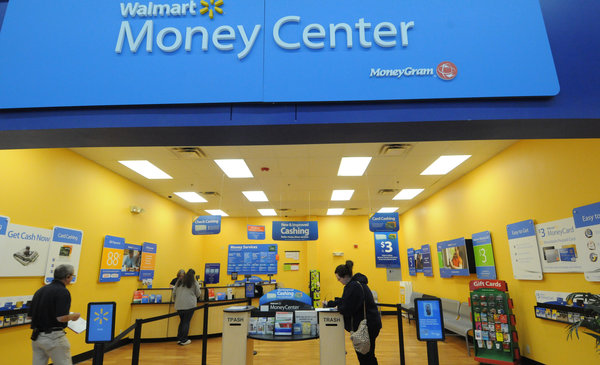
Wal-Mart’s Money Center: is it getting to be too much?

A New York Times article, reveals the new venture into the money market being made by consumer giant Wal-Mart. The bank’s customers are complaining of high costs and nickel and diming fees that are no longer making it worthwhile to have a bank account. Ans who is providing the alternative? Wal-Mart. Offering cheque cashing and other banking transfers at a lower cost, Wal-Mart is begin to gain on the market previously controlled by cheque cashing stores.

“We’re not a bank, but we can serve a lot of types of functions you would see someone go into a bank for.” says Daniel Eckert, the head of Wal-Mart Financial Services. Here Wal-Mart is essentially doing what it has done and will continue to do with every other product: offer them at lower prices than its competitors. This will cause them to increase their portion of the market share by making it impossible for others to compete.

Wal-Mart has become the “everything for cheaper” store. From diapers, to tires, and now financial services, you can expect to find it at Wal-Mart for less. What’s next?


Categories
Uncategorized

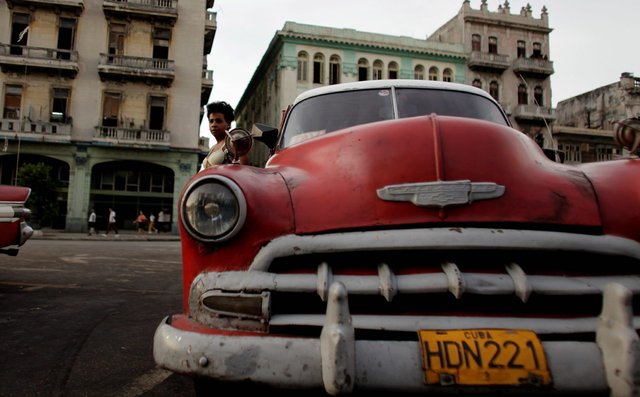
Car Restrictions in Cuba

An article in the New York Times on Sunday Novemeber 6th, outlined the difficulties faced by car owners in Cuba.
A law was recently lifted that restricted the sales of cars between members of the public. They were previously unable to buy and sell cars without following stringent rules and regulations. Now that these laws have been lifted, some members of the public, with salaries as little as $15 a month are able to sell beater cars for up to $5,000.

I feel that lifting this law is a step in the right direction for how the regulations with respect to cars should be in Cuba. There are still unreasonable regulations pertaining to the import and export of cars but with a positive move forward like this, it is possible that these laws would be revised in the future.


Spam prevention powered by Akismet