Monthly Archives: October 2026

Why I Don’t Like Politicians

I’ll be upfront: I don’t like politicians. This isn’t about one party or one scandal. It’s a pattern I’ve seen over years of watching them operate, and it shows up no matter which flag they wave. Here are the five reasons I can’t shake it.

They Like to Hear Themselves Talk

Watch any politician at a podium and you’ll notice that a two-minute answer could have been fifteen seconds. They love the sound of their own voice. Every question becomes a chance to give a speech, every microphone an invitation to keep going. Long pauses, rising volume and rehearsed applause lines are all there to fill time, not to say something.

In my line of work, a good answer is short and useful. When I ask a supplier whether a shipment will arrive on time, I want a yes or a no, not a ten-minute tour of the history of logistics. Politicians have turned talking into the job itself, and somewhere along the way they forgot that communication is supposed to leave the listener knowing more than before.

They have that Used Car Salesman Vibe

There’s a certain smile, a firm handshake and a little too much friendliness that make me check my pockets. Politicians are always selling. They tell you what you want to hear, promise the world and rely on you not reading the fine print.

Like a salesman who calls a rust-bucket “a great first car,” they have a gift for dressing up a bad deal. A tax increase becomes an “investment.” A broken promise becomes “changing circumstances.” I’ve spent years negotiating with people who are trying to close a deal, and I know the feeling of being worked. Politicians give me that feeling before they’ve even finished saying hello.

They Care About Their Goals More Than Serving the Populace

Public service is supposed to mean exactly that: serving the public. But too often the real project is the politician’s own career. Decisions seem to bend toward the next election, the next promotion, the next donor dinner. The question isn’t “what does the community need?” but “what keeps me in the job?”

When a politician’s goals line up with mine, I’m happy to benefit from the coincidence, yes. But I shouldn’t have to hope for coincidence. A person who asks for my vote should be working for me, not using me as a rung on their ladder. Too many treat constituents as a means to an end, and ordinary people, like me, sense it.

They Make a Lot of Money for Little Real Work

Politicians are paid well, receive generous benefits and often enjoy pensions most workers can only dream about. And what do we see in return? Endless meetings, committee hearings that go nowhere and bills that take years to produce a result, if they produce one at all.

I’ve spent thirteen years in a business where you don’t get paid unless the product gets delivered. Damaged shipment? You eat the cost. Late order? You lose the customer. There’s accountability at every step. Politicians rarely face that kind of consequence. They can miss deadlines, break promises and fail to solve problems, and still collect the paycheck and run again. If I worked that way, I’d be out of business in a year.

They Don’t Have the Conviction and Strength of Character to Talk About Difficult Topics – They Like It Vague

The hardest issues are exactly the ones where we need straight talk: the budget, housing, health care, the economy. Yet ask a politician a pointed question and you’ll get a cloud of words like “we’re looking at all options” and “we must find balance.” You can listen for ten minutes and not know where they stand.

Vagueness is a strategy. If you never commit to a position, you can never be held to it. Nobody can accuse you of breaking a promise you never clearly made. But leadership means picking a direction, explaining why and owning the outcome. I can respect someone who takes a clear stand I disagree with. I can’t respect someone who says nothing at great length.

The Bottom Line

I’ll say it plainly: I believe 99% of politicians go into office more for themselves than for genuine service to the people. Maybe a rare few start out with pure motives, but the system quickly rewards the opposite behaviors: talking too much, selling too hard, protecting the career, collecting the pay and dodging hard questions. Until that changes, I’ll keep my skepticism, and I’d encourage others to keep theirs.

Custom Crate Prices in Vancouver, BC: Finding the Perfect Balance Between Quality and Affordability

Custom Crate Prices

If your business ships machinery, equipment, furniture, electronics, or valuable products, finding the right custom shipping crate is an important investment. But how much should you expect to pay for custom crates in Vancouver, BC? And more importantly, how do you know whether you’re getting good value for your money?

The Vancouver market offers several custom crating options, ranging from basic wooden shipping boxes to professionally engineered export crates. Prices can vary considerably depending on construction quality, materials, dimensions, weight capacity, and shipping requirements. At Pacific Crate, we believe customers shouldn’t have to sacrifice quality to get competitive pricing. We have worked to find the sweet spot between durable construction, reliable protection, and affordable custom crate prices.

How Much Do Custom Crates Cost in Vancouver?

One of the most common questions we hear is: how much does a custom wooden crate cost?

The honest answer is that custom crate pricing in Vancouver depends on the specific requirements of each project. A small wooden crate designed for relatively lightweight products will naturally cost less than a large, reinforced industrial shipping crate designed to transport heavy machinery overseas.

As a broad Canadian budgeting reference, basic wooden crates can fall in the $200–$800 range, while more specialized engineered crates can cost $500–$2,000 or more. Large export projects can run into several thousand dollars. These are general industry estimates, not fixed Vancouver market rates.

Several factors influence custom crate prices:

  • Dimensions: Larger crates generally require more lumber, plywood, and labour.
  • Materials: Lumber thickness, plywood grades, and construction specifications affect cost.
  • Weight capacity: Heavy equipment requires stronger structural support and reinforcement.
  • Internal protection: Foam inserts, blocking, cushioning, and specialized supports add protection and cost.
  • Export requirements: International shipments may require ISPM 15-compliant heat-treated wood packaging.
  • Production quantities: Ordering multiple identical crates can reduce the cost per unit.

Understanding these factors makes it easier to compare custom crate quotes and determine whether you’re receiving a competitive price.

Why Are Custom Crate Prices So Different Between Companies?

When comparing custom crates in Vancouver, customers sometimes discover significant price differences between suppliers.

One company may offer a relatively inexpensive wooden box, while another provides a substantially more expensive engineered shipping solution. Although both products might look similar from the outside, their construction methods and protective capabilities can be very different.

Lower-priced crates may use lighter materials, simpler framing, and minimal internal reinforcement. These can be perfectly suitable for certain shipments, but they may not provide adequate protection for heavy, fragile, or high-value equipment.

At the other end of the market, some specialized crating solutions include extensive engineering, custom cushioning, reinforced structures, and additional export protection. These features are valuable when required, but not every shipment needs the most expensive packaging available.

The challenge is finding a supplier that understands the difference between necessary protection and unnecessary expense.

Pacific Crate: High Quality Without the Excessive Price Tag

At Pacific Crate, we believe there is a better approach to custom crate pricing in Vancouver.

Our philosophy is straightforward: build quality wooden shipping crates that provide dependable protection without adding unnecessary costs.

We recognize that businesses have budgets to manage. Manufacturers, distributors, exporters, and shipping companies need reliable packaging, but they also need competitive pricing to remain profitable.

That’s where Pacific Crate has found its sweet spot.

Rather than automatically recommending the most expensive construction option, we focus on matching the crate design to the product being shipped. The objective is to provide the appropriate materials, strength, and protection for each application.

Customers should not have to pay for features they don’t need, but they also shouldn’t compromise on essential structural quality just to save a few dollars.

We believe this balance is what makes a good custom crate supplier.

Quality Matters When Shipping Valuable Products

A custom shipping crate is more than a wooden box. It is an important part of your transportation and logistics strategy.

Poorly constructed crates can result in damaged products, delayed deliveries, expensive replacements, and unhappy customers. In many cases, the financial consequences of inadequate packaging can be considerably greater than the original cost savings.

Quality construction should include appropriate lumber selection, secure fastening, properly designed structural support, and suitable internal protection.

For international shipments, customers should also ask whether their crates require ISPM 15-compliant heat-treated wood packaging.

At Pacific Crate, our goal is to help customers find practical, cost-effective crating solutions that meet the needs of their shipments.

Getting the Best Custom Crate Pricing in Vancouver

If you’re requesting a custom crate quote, providing accurate information can make the process much easier.

Ideally, have the following details available:

  1. Length, width, and height of the product.
  2. Approximate product weight.
  3. Description of the item being shipped.
  4. Domestic or international shipping destination.
  5. Quantity of crates required.
  6. Any special protection or handling requirements.

Providing photographs can also help a crate manufacturer understand the project and recommend an appropriate design.

Comparing quotations based on the same specifications is particularly important. The cheapest quote isn’t necessarily the best value if it uses substantially different materials or construction methods.

Request a Custom Crate Quote from Pacific Crate

Whether you need one custom wooden shipping crate or a larger production order, Pacific Crate aims to deliver the right combination of quality, protection, and affordability.

The Vancouver market has plenty of options, but finding a supplier that understands both your packaging requirements and your budget can make a significant difference.

If you’re searching for custom crates in Vancouver, competitive custom crate pricing in Vancouver, BC, or dependable wooden shipping crates for your business, contact Pacific Crate through ShippingCrates.ca or call 208-905-4960

Let’s find a crating solution that protects your products without unnecessarily increasing your shipping costs.

How Sleeping in a Sleeping Pod Every Night Changed Five Areas of My Life

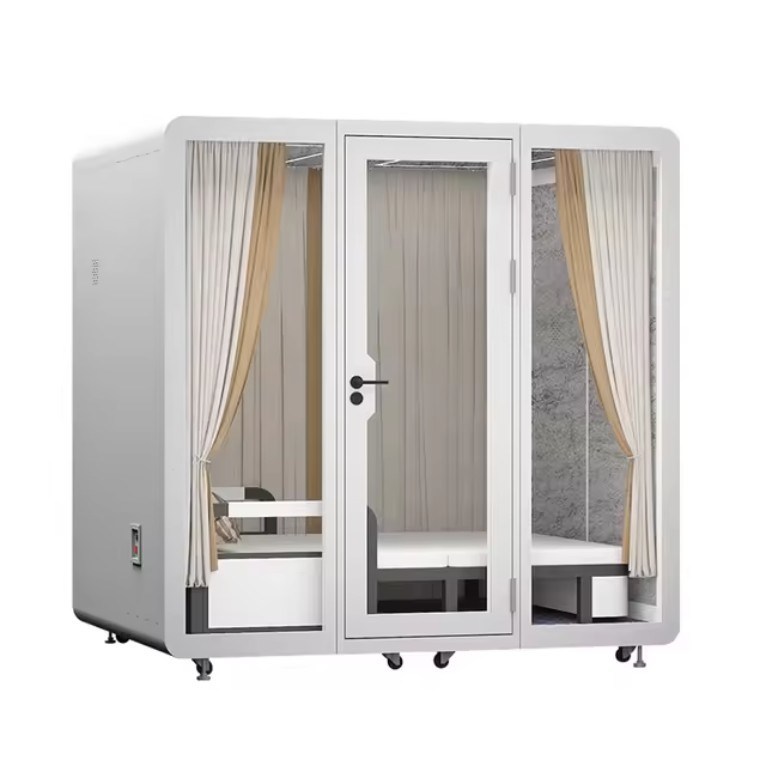
sleep pod at work

I have always considered myself a fairly active person, but for years I underestimated just how much poor sleep was affecting my everyday life. I live in a busy downtown neighbourhood, close to a major intersection where traffic, motorcycles, emergency vehicles, horns, and late-night activity create a constant stream of noise. Even when I was physically tired, getting a peaceful night’s sleep was often a challenge.

I tried different ways to improve my sleeping environment, but eventually I decided to try something different: sleeping in a dedicated sleeping pod every night.

What started as an experiment to get better sleep gradually became one of the most positive changes I made to my daily routine. After making my sleep pod part of my nightly routine, I began noticing improvements in five important areas of my life.

1. My Social Life Became Much Better

One unexpected benefit of getting better sleep was how much more interested I became in spending time with other people.

Previously, after a long day, I often felt too exhausted to meet friends, attend social events, or even have a meaningful conversation. I would sometimes cancel plans simply because I didn’t have the energy.

With a more consistent and comfortable sleeping environment, I started waking up feeling more refreshed. I found myself looking forward to social activities rather than treating them as another obligation.

I also noticed that I was more engaged in conversations and more willing to make plans. Better rest made it easier to be present with friends and family instead of constantly thinking about how tired I felt.

2. I Had More Energy Throughout the Day

This was probably the most noticeable improvement.

Living near a busy downtown intersection meant that nighttime noise was always a concern. Traffic continued long after midnight, and early-morning activity sometimes interrupted my sleep.

My sleeping pod gave me a dedicated space designed to provide greater privacy and reduce everyday disturbances. Depending on the noise, I could still hear some sounds, but the more enclosed sleeping environment made it easier to settle down and establish a consistent bedtime routine.

Over time, I began noticing that my mornings felt different. I had more energy to get started, fewer sluggish afternoons, and greater motivation to complete everyday tasks.

Instead of relying on coffee to get through the day, I felt that my nightly rest was becoming a much more important part of maintaining my energy.

3. My Attention Span and Concentration Improved

I never fully appreciated how much tiredness affected my ability to concentrate until I started prioritising sleep.

Previously, I sometimes struggled to focus on reading, working on projects, or completing tasks that required sustained attention. I would become distracted easily and occasionally find myself reading the same information several times.

As my sleeping routine became more consistent, I noticed that concentrating on tasks felt easier. I could spend longer periods working without feeling the same mental fatigue.

Research supports the importance of adequate sleep for cognitive performance. Studies published in the journal Sleep and other sleep research publications have repeatedly demonstrated that sleep restriction can negatively affect attention, working memory, and reaction time.

For me, making my sleeping environment a priority was a practical step toward feeling more mentally alert during the day.

4. My Mood and General Outlook Improved

Poor sleep can make even relatively small problems feel overwhelming.

When I wasn’t sleeping well, I sometimes woke up feeling irritable or frustrated before the day had even begun. Minor inconveniences seemed more annoying, and stressful situations were harder to manage.

Having a more comfortable and private place to sleep helped me establish a better nighttime routine. I began looking forward to going to bed rather than worrying about the traffic noise outside.

I gradually noticed that I felt more relaxed and positive during the day. I was more patient with people, better able to manage everyday frustrations, and generally more optimistic.

It reminded me that sleep is not just about physical recovery. It also plays an important role in emotional well-being.

5. My Sports Performance Improved

As someone who enjoys sports and physical activity, I particularly appreciated this improvement.

Before prioritising my sleep, I sometimes felt sluggish during workouts and found it difficult to maintain the same level of enthusiasm and intensity throughout a training session.

Once I started getting more consistent rest, I felt better prepared for physical activity. My energy levels seemed more predictable, and I found it easier to stay motivated.

Sleep is essential for muscle recovery, physical performance, coordination, and reaction time. Research published in Sleep and the Journal of Sports Sciences has highlighted the importance of adequate sleep for athletic performance and recovery.

Although a sleeping pod is not a substitute for proper training, nutrition, or sufficient sleep duration, creating a more comfortable sleeping environment became an important part of my overall fitness routine.

Why I Recommend Considering a Sleeping Pod

Living downtown has taught me that getting good sleep isn’t always as simple as going to bed early. Sometimes the environment around you makes all the difference.

For people dealing with traffic noise, busy neighbourhoods, shared accommodation, or other nighttime distractions, a sleeping pod may offer a practical way to create a more private and comfortable sleeping space.

Of course, every sleeping pod is different. Features such as ventilation, internal space, comfort, light control, and noise reduction are important considerations when choosing one.

My experience has made me appreciate just how important sleep is to everyday life. Better rest can influence how we interact with people, how productively we work, how we feel emotionally, and how we perform physically.

If you are struggling to create a peaceful sleeping environment, perhaps it is time to explore a different approach.

Visit TheSleepingPods to discover sleeping pods and explore ways to create a more comfortable, private space for better rest.

Sometimes, improving your life starts with something as simple as improving where you sleep.

Auto Detailing in Creston, Cranbrook and the Kootenays

Life in the BC Interior is hard on vehicles. Gravel roads, dust, mud, road salt, wildfire smoke, and long drives between towns all take a toll. In communities like Creston and Cranbrook, your vehicle is not a luxury. It is how you get to work, haul the kids to hockey, and reach the lake on a Saturday. That is why professional auto detailing in Creston and car detailing in Cranbrook deserve a place in every vehicle owner’s maintenance routine.

interior car detailing in Creston BC

What Is Car Detailing, Really?

Many people confuse detailing with a quick wash. A wash removes surface dirt. Detailing is a deep, methodical restoration of your vehicle’s condition. Interior detailing in particular involves vacuuming every seam and crevice, cleaning and conditioning surfaces, treating upholstery and carpets, and sanitizing the high-touch areas you use every day: the steering wheel, shifter, door handles, and controls.

The result is not just a vehicle that looks better. It is a cleaner, healthier, more pleasant space to spend your time in. When you consider how many hours the average person spends behind the wheel, that matters more than most people realize.

The Kootenay Climate Is Tough on Your Interior

The Kootenays offer some of the most beautiful scenery in Canada, but that lifestyle leaves its mark inside your vehicle.

Dust and grit. Rural roads and backroads carry fine dust that works its way into carpets, vents, and seat seams. Left alone, grit acts like sandpaper on fabric and leather.

Mud and snow. From fall rains to winter slush, moisture gets tracked in on boots all season. Wet carpets can lead to lingering odours and even mould if they are not properly cleaned and dried.

Road salt and winter residue. Salt and de-icing products leave white stains on carpets and floor mats that are stubborn to remove at home.

Sun exposure. Hot, dry Interior summers can fade, dry out, and crack dashboards and leather if surfaces are not cleaned and conditioned regularly.

Pets, kids, and outdoor gear. Whether it is a dog that loves the river, kids with snacks, or fishing and camping gear, Kootenay families put their vehicles to real use.

Regular interior detailing counters all of this before small problems become expensive ones.

Protecting Your Investment

For most people, a vehicle is the second-largest purchase they will ever make. In a small town, where options for buying and selling are more limited than in the city, keeping that investment in good shape is especially important.

A well-maintained interior can noticeably improve resale or trade-in value. Buyers pay attention to stained seats, worn carpets, and unpleasant smells. A clean, fresh interior signals a vehicle that has been cared for, and that can mean a quicker sale and a better price, whether you sell privately or trade in.

Detailing also extends the life of your materials. Cleaning and conditioning leather, vinyl, and plastics prevents premature cracking and wear. Removing abrasive dirt from fabrics keeps them looking newer for longer. A modest detailing cost today can save you from costly interior repairs down the road.

A Healthier Place to Drive

Your vehicle’s interior is a small, enclosed space, and it collects more than you might think: dust, pollen, pet dander, food crumbs, and bacteria on frequently touched surfaces. For anyone with allergies or asthma, or families with young children, that matters.

Wildfire season brings its own challenge. Smoke particles settle into upholstery and headliners and can leave a stale, smoky smell long after the skies clear. A thorough interior detail helps remove those residues and refresh the cabin.

Why Local Detailing Matters in Small Towns

When you live in a community like Creston or Cranbrook, you know the value of supporting local. A local detailer understands the conditions here: what the roads are like, what the seasons do to your vehicle, and what Kootenay drivers actually need.

Local service also means convenience. Instead of making a long drive to a larger centre for specialized care, you can book with someone nearby. And when you spend your money with a local business, it stays in the community, supporting local jobs and the small-town economy that makes the region special.

Small towns also run on reputation. A local detailer who treats every vehicle with care earns trust the way small-town businesses always have: through quality work and word of mouth.

Who Benefits from Professional Detailing?

Almost everyone, but a few groups especially:

  • Families, who need a clean, sanitary space for kids and car seats
  • Pet owners, dealing with hair, dander, and odours
  • Tradespeople and contractors, whose work trucks take daily abuse
  • Outdoor enthusiasts, bringing the backcountry home on their boots and gear
  • Sellers and trade-in shoppers, who want to maximize their vehicle’s value
  • Commuters, who log serious hours behind the wheel between Creston, Cranbrook, and beyond

What to Look for in a Detailer

Whether you are searching for auto detailing in Creston or car detailing in Cranbrook, a few things separate quality detailers from the rest:

  1. Attention to detail. Good detailers clean the places most people never look, such as seat tracks, vents, and door jambs.
  2. Quality products. The right cleaners and conditioners protect your surfaces instead of damaging them.
  3. Clear, upfront pricing. You should know what you are paying for before the work begins.
  4. Local knowledge. Someone who understands Interior conditions will tailor the work to what your vehicle has been through.
  5. Reliability. Showing up on time and doing what they say they will do is the foundation of any good service business.

Keep It Up Through the Seasons

The best approach is regular care. Many local drivers book an interior detail at key points in the year: in spring after a winter of salt and slush, in the fall before the wet season sets in, and anytime after a big road trip, wildfire smoke event, or move. Between details, simple habits like shaking out floor mats, wiping down surfaces, and removing garbage help the results last.

Experience Professional Detailing in the Kootenays

A clean interior does more than look good. It protects your investment, supports your health, and makes every drive more enjoyable. In the BC Interior, where our vehicles work as hard as we do, professional detailing is a smart, practical choice.

If you are looking for auto detailing in Creston or car detailing in Cranbrook, Kootenay Interior Detailing is here to help. We focus on interior detailing and serve drivers throughout the Creston and Cranbrook area, bringing care and attention to every vehicle that comes through. Visit kootenayinteriordetailing.ca to see our services and pricing, or contact us at info@kootenayinteriordetailing.ca or 236-629-1099.

Why Vancouver Businesses need better Wooden Shipping Crates

Vancouver is a gateway. Goods leave the Lower Mainland by truck for Alberta and Ontario, cross the border into the USA, and sail from the Port of Vancouver to markets overseas. Along the way, a shipment may be lifted by forklift, swung by crane, stacked in a container and driven over rough roads. Well-built wooden shipping crates are what get it there in one piece.

Protection through every handoff

Cardboard and shrink-wrap give way at the first hard knock. A wooden shipping crate holds its shape under weight, spreads impact across a solid frame and stops equipment, machinery, artwork and fragile products from shifting in transit. For high-value goods, one avoided damage claim can pay for many shipping crates.

Strong enough to stack and lift

Quality shipping crates sit on skids or pallet bases, so forklifts and pallet jacks can move them safely. A cleated frame and strong lid let crates be stacked in a warehouse or container without crushing what is underneath. Marked lift points make crane handling safer too.

Sized to fit your product

Standard sizes suit many shipments, but custom shipping crates cut wasted space. A crate built around the product needs less filler, takes up less room in the truck or container and can lower freight costs. Pacific Crate builds both standard and custom sizes, so you pay for the protection you need and no more.

Shipping Crates in Vancouver

Ready for overseas rules

Most countries require solid wood packaging on international shipments to be heat-treated and stamped to the ISPM-15 standard. Crates built to that standard avoid rejected cargo, delays and repacking at the port. Confirm the rules for your destination before you ship, whether the load is going to the USA or overseas.

Built for long journeys

Ocean freight and coastal weather are hard on packaging. Plywood-skinned crates can be lined or wrapped to keep moisture out, and a rigid crate keeps its contents steady through long voyages and repeated handling.

Reusable and recyclable

Wood is renewable, easy to repair and fully recyclable at the end of its life. A sturdy crate can often make the return trip or serve for a second shipment, which helps businesses that ship the same products often.

Why buy shipping crates in Vancouver

Local suppliers of shipping crates in Vancouver should advertise their accurate sizing and consistent build quality so that customers, be it an individual or a business, know where to get the best shipping crates for their cargo. When your products ship across Canada, to the USA or overseas, a crate made to your measurements and specs removes one of the biggest risks in the journey.

Better Sleep Quality in Soundproof Sleeping Pods

Soundproof Sleeping Pods: Private, Quiet Rest Anywhere

Sleeping pods are enclosed spaces built for short, restorative rest, and soundproof sleeping pods take that idea further by shutting out the noise around you. Whether in an office, a campus library, an airport terminal, or a hospital, a sleeping pod gives you a private place to recharge in the middle of a busy day.

Soundproof Sleeping Pod Silent Nap Pods For Urban Office Workers

What Are Sleeping Pods?

A sleeping pod, also known as a nap pod or nap capsule, is a compact structure or chair designed for daytime rest. Most sleeping pods combine reclined seating or a bed with dimmable lighting, ventilation, and sound insulation. The original design dates to 1979, when architect Kisho Kurokawa created capsule sleeping units for the Capsule Inn in Osaka.

Why Choose Soundproof Sleeping Pods?

Noise is the biggest obstacle to a quick nap in public or shared spaces. Soundproof sleeping pods use acoustic insulation to reduce outside sound, so you can fall asleep faster and rest more deeply. Many models also add ambient lighting, silent ventilation, and calming audio to create a calm, restorative space.

Key Benefits of Sleeping Pods

Better focus and alertness. Research suggests that a nap of about 20 minutes can reduce fatigue, boost energy, and improve mood and attention.

Stress relief. A quiet, private pod gives you a mental reset. Guided relaxation programs and aromatherapy are available on some models.

Faster recovery. Professional sports teams and universities use sleeping pods to help athletes recover between training sessions and travel. Chelsea Football Club is one example.

Rest for demanding jobs. The UK’s NHS has installed sleep pods in hospitals so doctors, nurses, and staff can rest during long shifts.

Sleep on the go. Travelers can use airport sleeping pods between flights at hubs such as JFK, Atlanta, Munich, and Dubai.

Where Sleeping Pods Are Used

Sleeping pods now appear in workplace wellness rooms, universities, airports, healthcare facilities, hotels, and sports recovery centers. A growing number of companies and campuses offer them as part of a broader commitment to wellbeing.

Features to Look For

When comparing soundproof sleeping pods, consider:

  • Acoustic insulation: how well the pod blocks outside noise
  • Comfort: reclined position, cushioning, and interior space
  • Ventilation: quiet airflow for frequent daily use
  • Wake-up system: gentle alarms using light or soft vibration
  • Hygiene: easy-clean, durable surfaces for shared use
  • Footprint: floor space, doorways, and installation access

Commercial sleeping pods typically range from about $8,000 to $18,000, depending on size and features.

A Realistic View

Sleeping pods work best as part of a healthy rest culture. Critics note that a nap pod can’t replace sensible workloads and good management, so pair the pod with policies that respect people’s time and energy.

The Bottom Line

A well-built sleeping pod makes a short, restful nap possible almost anywhere, and soundproof sleeping pods make it easier than ever to switch off and recharge. As awareness of sleep grows, expect to see more of them in offices, campuses, airports, and hospitals.