Popul Vuh Part 3
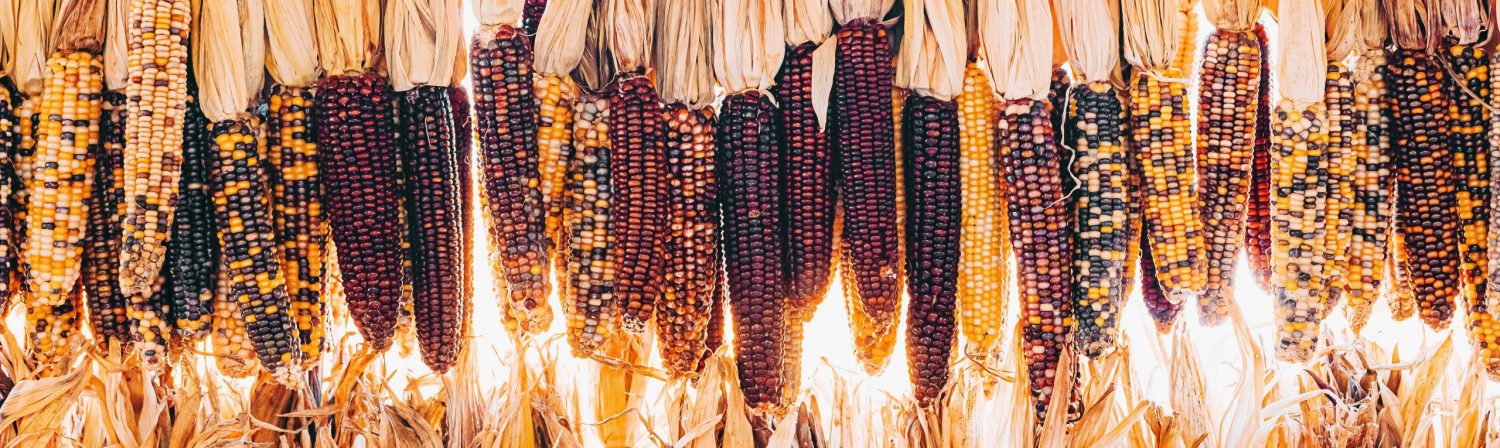
First, Bazzet uses form to mimic orality as it would’ve been told back then in the form of repetition and rhythm like on pages 149 and 150 as the lords are bitten by the mosquito. It’s also present in the story itself through the importance of naming like on page 204 when one Hunahpu’s head was visited by the twins Hunapuh and Xbalanque and the mouth could name itself but the rest of him could not. Because words were spoken, they could still honor him in the devastation ballcourt, and his name could still be remembered. Temporality is mostly shown in this section through the cycles of the maize and through the resurrection of the twins from the river on page 184 during their defeat of the in Xibalba on pages 192 and 193. Trickery and play are also very important to this part of the story. It’s what the lords of Xibalba use through the many trials taken by the twins and how ultimately, they were defeated. Pairs are another similarity through the story, obviously through the twins and each set of gods like the framer and shaper, but it’s also present symbolically through the interactions with the twins and animals, or more generally the animals and all of the gods and figures. The animals are a servant to the figures in the story while still having some respect, like how the mosquitoes help the twins reveal the lords and were given the ability to suck travelers’ blood. This could reflect a broader understanding of the relationship and partnership between animals and humans. When it comes to foodways, squash in particular is important as that’s what replaces Hunahpu’s head and allows for Xbalanque’s plan to work. It is also present as the origin of humans is maize, and throughout the story maize is a significant part. Like when the maize growing signals to their grandmother that Hunahpu and Xbalanque were resurrected on page 202.