Gossip, Drudgery, and Disciplinary Bias
(Sample post by Tamara)
In Witches, Witch-Hunting, and Women, Silvia Federici traces how, prior to the sixteenth century, the term gossip was used to denote feminine forms of community, care, and exchange. In premodern England, gossip implied “companions in childbirth” (35), designating the close friends and relatives of a pregnant woman who gathered to care for and accompany her during labour. The term’s meaning soon expanded to signify close-knit circles of women that maintained a life and community outside of their marriage (36). Through these relationships, women exchanged crucial information, such as medicinal, social, and cultural knowledge, and gossip comprised a means of memory keeping (41). Federici examines 16th- and 17th-century plays, historical treatises, and legal documents to show that men were increasingly threatened by women’s tight friendships, and she points to literature, laws, and torture devices that evidence men’s concerted efforts to rein women in and isolate them. Concomitant to these efforts, the meaning of gossip shifted from an empowering feminine social network to petty chatter (38).
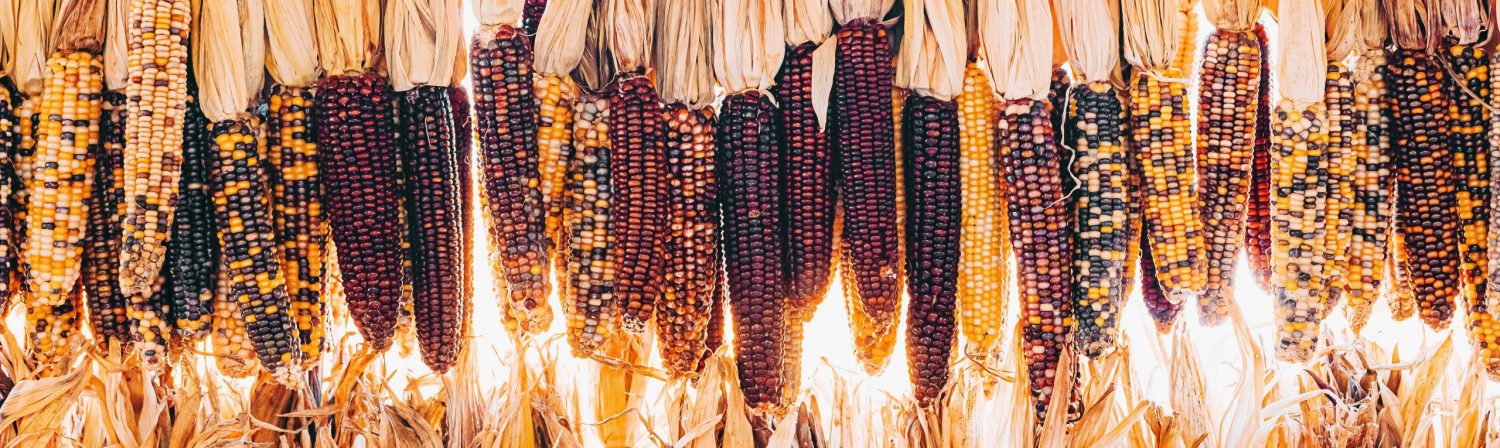
I offer this foray into the etymological roots of gossip as a mode of commenting on Warren Belasco’s “Why Study Food?” (2008). Belasco’s chapter opens by offering a rundown of why food, and food consumption in particular, have not been given “serious” (3) attention in academia until recent years, including a privileging of the mind over the body (2), ingrained gendered bias against all things domestic (3), and the perception that food is “gross” (3). While I found the chapter convincing and provocative, the portrayal of women’s work in the kitchen as mere “drudgery” (3-4) falls prey to the same disciplinary biases that Belasco seeks to critique. Reading Belasco with Federici reminds us that, while arduous, food preparation and similar activities offer women (or anyone who finds themselves in a kitchen!) a chance to share knowledge, establish community, and exchange vital information for thriving and surviving under patriarchy. Trained as a Historian at the University of Michigan and Professor Emeritus in the University of Maryland BC American Studies Department, Belasco can be forgiven for these shortcomings. But recognizing them will hopefully help me be aware of my own disciplinary and cultural limitations while we approach the study of maize together this semester.
366 words
Belasco, Warren. Food: The Key Concepts. Berg, 2008.
Federici, Silvia. “On the Meaning of ‘Gossip.’” Witches, Witch-Hunting, and Women. PM Press, 2018, pp. 35-43.